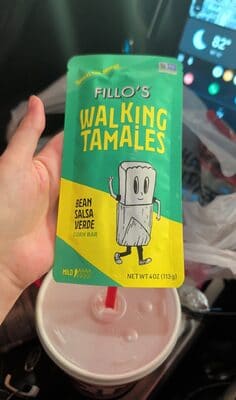
Meals
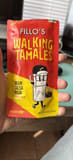
Fillo's Walking tamale
113 g
Score
- Contains added sugars
- Seed-oil free
Why it scores 77
Fillo's Walking tamale scores 77 out of 100 (Good) under GoodSwap’s published rules. What moved the score most:
- minus 20 points Brown sugar: An added sugar. Strong
- minus 3 points Salt 1.1 g / 100 g: High in salt. Strong
- plus 2 points Fiber 5.3 g / 100 g: A good source of fiber. Strong
Every line of the math is on The Receipt below, with its evidence tier and sources.
Better burritos and wraps
-
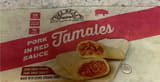 Tamales Del Real · 60 oz/3.75 lb/1.7 kg No added sugars · No brown sugar Score 94 out of 100 , 17 points higher
 -
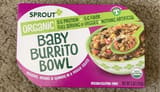 Baby burrito bowl Sprout No added sugars · No brown sugar Score 100 out of 100 , 23 points higher
 -
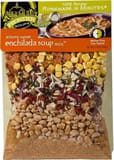 Enchilada Soup Mix Frontier Soups No added sugars · No brown sugar Score 95 out of 100 , 18 points higher
 -
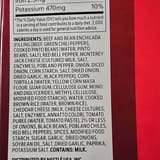 Beef Enchiladas Cantina Style Stouffer's No added sugars · No brown sugar Score 99 out of 100 , 22 points higher
 -
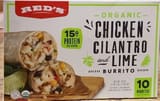 Organic Grilled Chicken Cilantro & Lime Burrito Red's · 50 oz No added sugars · No brown sugar Score 90 out of 100 , 13 points higher
The same kind of product, at least 10 points higher, sold in the US. Never paid placements.
The Receipt
Walking tamale
Ingredients
- Brown sugar minus 20 points
Nutrition per 100 g
- Saturated fat 1.3 g / 100 g minus 1 points
- Salt 1.1 g / 100 g minus 3 points
- Energy 221 kcal / 100 g minus 1 points
- Fiber 5.3 g / 100 g plus 2 points
100 − 23 = 77
Can’t score above 79. Contains brown sugar, an ingredient of high concern. [1][2][3]
Nutrition per 100 g
| Energy | 221 kcal |
|---|---|
| Fat | 8.8 g |
| Saturated fat | 1.3 g |
| Trans fat | 0 g |
| Carbohydrates | 31 g |
| Sugars | 2.7 g |
| Added sugars | 0.9 g |
| Fiber | 5.3 g |
| Protein | 5.3 g |
| Salt | 1.1 g |
Serving: 1 serving (113 g)
Ingredients
- TOMATILLO
- NIXTAMALIZED CORN FLOUR
- WATER
- MAYOCOBA BEANS
- GARBANZO BEANS
- EXTRA VIRGIN OLIVE OIL
- CILANTRO
- SEA SALT
- SERRANO PEPPER
- GARLIC POWDER
- BAKING SODA
- BROWN SUGAR (high concern)
- ONION POWDER
- BLACK PEPPER
Label text, as published
TOMATILLO, NIXTAMALIZED CORN FLOUR, WATER, MAYOCOBA BEANS, GARBANZO BEANS, EXTRA VIRGIN OLIVE OIL, CILANTRO, SEA SALT, SERRANO PEPPER, GARLIC POWDER, BAKING SODA, BROWN SUGAR, ONION POWDER, BLACK PEPPER
Allergens and diets
- Vegan
- Vegetarian
- Gluten-free
- Palm-oil-free
Always check the package: recipes change.
More meals on GoodSwap
-
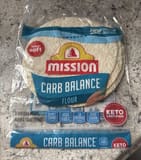 Carb Balance Flour Tortilla Wraps Mission · 340 g Ultra-processedHigh in saltContains non-nutritive sweetenersContains emulsifiers studied for gut effects Score 46 out of 100 Okay
 -
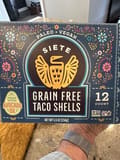 Grain Free Taco Shells Siete · 5.5 oz/156 g Ultra-processedNo additivesSeed-oil free Score 72 out of 100 Good
 -
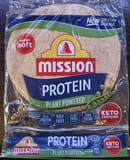 Tortilla Wraps Mission · 9 oz Ultra-processedHigh in saltContains non-nutritive sweetenersContains emulsifiers studied for gut effects Score 30 out of 100 Poor
 -
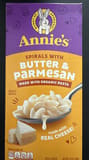 Spirals with Butter & Parmesan Annie's · 5.25 oz Ultra-processedHigh in saltCertified organicSeed-oil free Score 60 out of 100 Good
 -
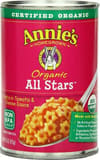 Annies organic all stars canned pasta in tomato Annie's · 15 oz Contains added sugarsCertified organic Score 74 out of 100 Good
 -
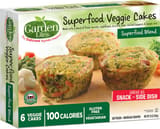 Superfood veggie cakes Garden Lites · 340 g Ultra-processedContains seed oilsContains whole grains Score 72 out of 100 Good
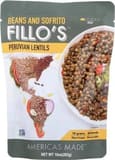
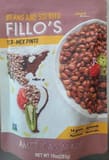
More from Fillo's
Sources
-
Guideline: sugars intake for adults and children
“In both adults and children, WHO recommends reducing the intake of free sugars to less than 10% of total energy intake”
who.int
-
Dietary Guidelines for Americans, 2025–2030
“Limit foods and beverages that include artificial flavors, petroleum-based dyes, artificial preservatives, and low-calorie non-nutritive sweeteners.”
cdn.realfood.gov
-
Added and free sugars should be as low as possible
“Sugar consumption is a known cause of dental caries.”
efsa.europa.eu
-
Saturated fatty acid and trans-fatty acid intake for adults and children: WHO guideline
“WHO recommends that adults and children reduce saturated fatty acid intake to 10% of total energy intake (strong recommendation).”
who.int
-
“For adults, WHO recommends less than 2000 mg/day of sodium (equivalent to less than 5 g/day salt), or just under a teaspoon.”
who.int