Flavored waters
Bai Flavored Water
Score
- Ultra-processed
- Contains non-nutritive sweeteners
- Contains caffeine
- No synthetic dyes
Why it scores 71
Bai Flavored Water scores 71 out of 100 (Good) under GoodSwap’s published rules. What moved the score most:
- minus 18 points Ultra-processed (NOVA 4): Classified NOVA 4: made with industrial ingredients and additives. Strong
- minus 3 points 3 kinds of ultra-processing markers: Industrial additive classes found: color (added), flavoring and non-nutritive sweetener. Emerging
- minus 2.5 points Stevia (steviol glycosides): WHO (2023) recommends against using non-sugar sweeteners to control body weight (conditional recommendation); US dietary guidelines advise limiting them. Emerging
Every line of the math is on The Receipt below, with its evidence tier and sources.
Better flavored and vitamin water
-
 Lemon Lime Fitness Water Barcode Not ultra-processed · No caffeine Score 97 out of 100 , 26 points higher
 -
 Lemon Perfect Peach Lemon Perfect · 15.2 fl oz Not ultra-processed · No caffeine Score 100 out of 100 , 29 points higher
 -
 Nutrient enhanced water Core · 23.9 fl oz/707 mL Not ultra-processed · No non-nutritive sweeteners Score 100 out of 100 , 29 points higher
 -
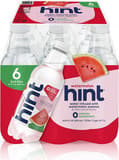 Watermelon infused water Hint · 6 × 16 fl oz Not ultra-processed · No non-nutritive sweeteners Score 100 out of 100 , 29 points higher
 -
 Hint Hint · 1.5 gal/5.7 L/1 PT Not ultra-processed · No non-nutritive sweeteners Score 100 out of 100 , 29 points higher
The same kind of product, at least 10 points higher, sold in the US. Never paid placements.
The Receipt
Flavored Water
Ingredients
- Stevia (steviol glycosides) minus 2.5 points
- Natural flavors minus 2.5 points
- Monk fruit extract minus 2.5 points
Processing
- Ultra-processed (NOVA 4) minus 18 points
- 3 kinds of ultra-processing markers minus 3 points
Nutrition per 100 ml
- Energy 2 kcal / 100 ml minus 1 points
100 − 29.5 = 70.5 → 71
Nutrition per 100 ml
| Energy | 2 kcal |
|---|---|
| Fat | 0 g |
| Carbohydrates | 0.2 g |
| Sugars | 0.2 g |
| Added sugars | 0 g |
| Protein | 0 g |
| Salt | 0.1 g |
Serving: 1 bottle (530 ml)
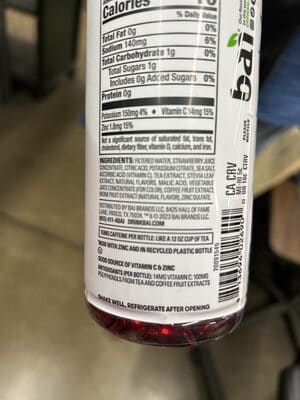
Ingredients
- 15% Not a significant source of saturated fat (not recognized)
- trans fat (not recognized)
- cholesterol
- dietary fiber
- vitamin D
- calcium
- iron FILTERED WATER
- STRAWBERRY JUICE CONCENTRATE
- CITRIC ACID
- POTASSIUM CITRATE
- SEASALI (not recognized)
- ASCORBIC ACID (VITAMIN C)
- TEA EXTRACT
- STEVIA LEAF EXTRACT
- NATURAL FLAVORS
- MALIC ACID
- VEGETABLE JUICE CONCENTRATE (FOR COLOR)
- COFFEE FRUIT EXTRACT
- MONK FRUIT EXTRACT (NATURAL FLAVOR)
- ZINC SULFATE WE RESO
- 73089409 26 5 A ME (855) 411-4BAI DRINKBAICOM (not recognized)
- CAFFEINE PER BOTTLE: LIKE A 12 OZ CUP OF TEA "NOW WITH ZINC AND IN RECYCLED PLASTIC BOTTLE 70091545 GOOD SOURCE OF VITAMIN C
- ZINC CA CRV МЕ-НІ ЗС OR 10 CIRV PLEASE bai to the we SHAKE WELL (not recognized)
- REFRIGERATE AFTER OPENING (not recognized)
Label text, as published
Contains 1% Juice Nutrition Facts Serving size 1 Bottle Amount per serving Calories 10 % Daily Value Total Fat 0g Sodium 140mg Total Carbohydrate 1g Total Sugars 1g Includes 0g Added Sugars Protein 0g 0% 6% 0% 0% Potassium 150mg 4% • Vitamin C 14mg 15% Zine 18mg 15% Not a significant source of saturated fat, trans fat, cholesterol, dietary fiber, vitamin D, calcium, and iron FILTERED WATER, STRAWBERRY JUICE CONCENTRATE, CITRIC ACID, POTASSIUM CITRATE, SEASALI, ASCORBIC ACID (VITAMIN C), TEA EXTRACT, STEVIA LEAF EXTRACT, NATURAL FLAVORS, MALIC ACID, VEGETABLE JUICE CONCENTRATE (FOR COLOR), COFFEE FRUIT EXTRACT, MONK FRUIT EXTRACT (NATURAL FLAVOR), ZINC SULFATE WE RESO, 73089409 26 5 A ME (855) 411-4BAI DRINKBAICOM 55MG CAFFEINE PER BOTTLE: LIKE A 12 OZ CUP OF TEA "NOW WITH ZINC AND IN RECYCLED PLASTIC BOTTLE 70091545 GOOD SOURCE OF VITAMIN C , ZINC CA CRV МЕ-НІ ЗС OR 10 CIRV PLEASE bai to the we SHAKE WELL, REFRIGERATE AFTER OPENING
More flavored waters on GoodSwap
-
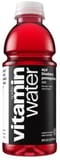 Açai-Blueberry-Pomegranate XXX Nutrient Enhanced Water Glaceau · 20 fl oz Ultra-processedContains added sugarsNo synthetic dyes Score 18 out of 100 Bad
 -
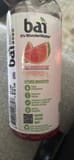 Kula Watermelon Bai · 18 fl oz Ultra-processedContains non-nutritive sweetenersContains caffeine Score 72 out of 100 Good
 -
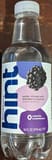 Water Infused with Blackberry Essence Hint · 16 fl oz Ultra-processedNo additives Score 83 out of 100 Excellent
 -
 Frút flavored water Aldi Ultra-processedContains non-nutritive sweeteners Score 65 out of 100 Good
 -
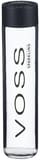 Voss Vann Sparkling 800ml Conaxess Trade Norge As · 27.05 fl oz/1.69 PT/800 m Ultra-processed Score 82 out of 100 Excellent
More from Bai
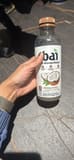
Sources
-
WHO advises not to use non-sugar sweeteners for weight control in newly released guideline
“The recommendation is based on the findings of a systematic review of the available evidence which suggests that use of NSS does not confer any long-term benefit in reducing body fat in adults or children.”
who.int
-
Dietary Guidelines for Americans, 2025–2030
“Limit foods and beverages that include artificial flavors, petroleum-based dyes, artificial preservatives, and low-calorie non-nutritive sweeteners.”
cdn.realfood.gov
-
21 CFR 101.22 Foods; labeling of spices, flavorings, colorings and chemical preservatives
“whose significant function in food is flavoring rather than nutritional.”
ecfr.gov
-
“Greater exposure to ultra-processed food was associated with a higher risk of adverse health outcomes, especially cardiometabolic, common mental disorder, and mortality outcomes.”
doi.org
-
Spilling the Beans: How Much Caffeine is Too Much?
“For most adults, the FDA has cited 400 milligrams* a day — that's about two to three 12-fluid-ounce cups of coffee — as an amount not generally associated with negative effects.”
fda.gov
-
Regulation (EU) No 1169/2011, Annex III point 4.1 (beverages with high caffeine content)
“‘High caffeine content. Not recommended for children or pregnant or breast-feeding women’”
eur-lex.europa.eu