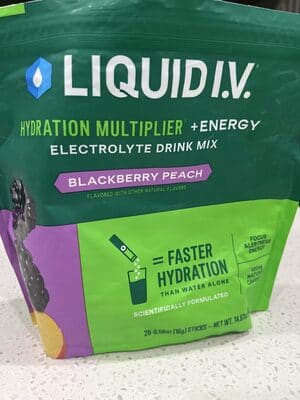
Dehydrated beverages
Liquid I.V. Electrolyte Drink Mix
Score
- Ultra-processed
- High in sugar
- High in salt
- Contains non-nutritive sweeteners
- Contains added sugars
- Contains caffeine
Why it scores 7
Liquid I.V. Electrolyte Drink Mix scores 7 out of 100 (Bad) under GoodSwap’s published rules. What moved the score most:
- minus 20 points Sugar: An added sugar. Strong
- minus 20 points Dextrose: An added sugar. Strong
- minus 18 points Ultra-processed (NOVA 4): Classified NOVA 4: made with industrial ingredients and additives. Strong
Every line of the math is on The Receipt below, with its evidence tier and sources.
Better drink mixes and water enhancers
-
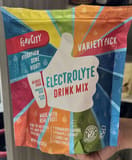 Electrolyte Drink Mix Variety Pack FlavCity No added sugars · No caffeine Score 59 out of 100 , 52 points higher
 -
 Hydrating Electrolyte Mix Lemonade Cure No added sugars · No caffeine Score 48 out of 100 , 41 points higher
 -
 Electrolyte Drink Mix LMNT Less sugar · No added sugars Score 66 out of 100 , 59 points higher
 -
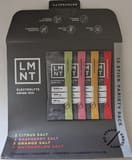 LMNT Electrolyte drink mix LMNT · 2.55 oz Less sugar · No added sugars Score 66 out of 100 , 59 points higher
 -
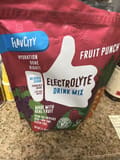 Fruit Punch Electrolyte Drink Mix FlavCity No added sugars · No caffeine Score 59 out of 100 , 52 points higher
The same kind of product, at least 10 points higher, sold in the US. Never paid placements.
The Receipt
Electrolyte Drink Mix
Ingredients
- Sugar minus 20 points
- Dextrose minus 20 points
- Potassium phosphate minus 2.5 points
- Silicon dioxide minus 1.5 points
- Stevia (steviol glycosides) minus 1.5 points
- Natural flavors minus 1.5 points
Processing
- Ultra-processed (NOVA 4) minus 18 points
- 4 kinds of ultra-processing markers minus 4.5 points
Nutrition per 100 g
- Sugars 68.8 g / 100 g minus 14 points
- Salt 7.8 g / 100 g minus 9 points
- Energy 281 kcal / 100 g minus 1 points
100 − 93.5 = 6.5 → 7
Can’t score above 79. Contains sugar, an ingredient of high concern. [1][2][3]
Can’t score above 79. High in sugars and salt (above the front-of-pack "high" level). [9]
Nutrition per 100 g
| Energy | 281 kcal |
|---|---|
| Fat | 0 g |
| Carbohydrates | 68.8 g |
| Sugars | 68.8 g |
| Added sugars | 68.8 g |
| Protein | 0 g |
| Salt | 7.8 g |
Serving: 1 stick (16 g)
Ingredients
- CANE SUGAR (high concern)
- DEXTROSE (high concern)
- CITRIC ACID
- SALT
- POTASSIUM CITRATE
- SODIUM CITRATE
- DIPOTASSIUM PHOSPHATE
- L-THEANINE
- SILICON DIOXIDE
- COFFEEBERRY ENERGY COFFEE FRUIT
- EXTRACT (not recognized)
- STEVIA LEAF EXTRACT (REBAUDIOSIDE A)
- COGNATIO (not recognized)
- COFFEE FRUIT EXTRACT
- VITAMIN C (ASCORBIC ACID)
- NATURAL (not recognized)
- FLAVORS
- VITAMIN B3 (NIACINAMIDE)
- VITAMIN B5 (CALCIUM, D-PANTOTHENATE)
- VITAMIN B6 (PYRIDOXINE HYDROCHLORIDE)
- VITAMIN B12 (CYANOCOBALAMIN)
Label text, as published
CANE SUGAR, DEXTROSE, CITRIC ACID, SALT, POTASSIUM CITRATE, SODIUM CITRATE, DIPOTASSIUM PHOSPHATE, L-THEANINE, SILICON DIOXIDE, COFFEEBERRY ENERGY COFFEE FRUIT, EXTRACT, STEVIA LEAF EXTRACT (REBAUDIOSIDE A), COGNATIO, COFFEE FRUIT EXTRACT, VITAMIN C (ASCORBIC ACID), NATURAL, FLAVORS, VITAMIN B3 (NIACINAMIDE), VITAMIN B5 (CALCIUM, D-PANTOTHENATE), VITAMIN B6 (PYRIDOXINE HYDROCHLORIDE), VITAMIN B12 (CYANOCOBALAMIN)
Allergens and diets
- Palm-oil-free
Always check the package: recipes change.
More dehydrated beverages on GoodSwap
-
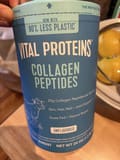 Collagen Peptides Vital Proteins · 24 oz No additives Score 100 out of 100 Excellent
 -
 Milk Chocolate Flavor Swiss Miss · 8.28 oz Ultra-processedHigh in sugarHigh in saturated fatContains added sugars Score 7 out of 100 Bad
 -
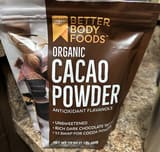 Organic Cacao Powder Better Body Foods · 16 oz Certified organicNo additives Score 100 out of 100 Excellent
 -
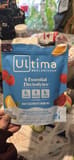 Daily Electrolyte Drink Mix Ultima Replenisher Ultra-processedContains non-nutritive sweetenersNo synthetic dyes Score 69 out of 100 Good
 -
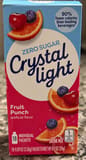 Fruit Punch Drink Mix Crystal Light · 10 ct 0.09 oz (2.55 g) Packets / 0.9 oz (25 g) Dye with an EU warning labelContains synthetic dyesUltra-processedHigh in salt Score 18 out of 100 Bad
 -
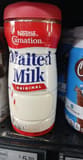 Original malted milk Nestlé Ultra-processed Score 75 out of 100 Good
More from Liquid I.V.
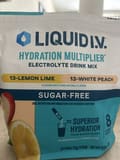
Sources
-
Guideline: sugars intake for adults and children
“In both adults and children, WHO recommends reducing the intake of free sugars to less than 10% of total energy intake”
who.int
-
Dietary Guidelines for Americans, 2025–2030
“Limit foods and beverages that include artificial flavors, petroleum-based dyes, artificial preservatives, and low-calorie non-nutritive sweeteners.”
cdn.realfood.gov
-
Added and free sugars should be as low as possible
“Sugar consumption is a known cause of dental caries.”
efsa.europa.eu
-
EFSA issues new advice on phosphates
“We estimated that dietary exposure to phosphates may exceed the new ADI for infants, toddlers and children with average consumption of phosphates in their diet.”
efsa.europa.eu
-
WHO advises not to use non-sugar sweeteners for weight control in newly released guideline
“The recommendation is based on the findings of a systematic review of the available evidence which suggests that use of NSS does not confer any long-term benefit in reducing body fat in adults or children.”
who.int
-
21 CFR 101.22 Foods; labeling of spices, flavorings, colorings and chemical preservatives
“whose significant function in food is flavoring rather than nutritional.”
ecfr.gov
-
“For adults, WHO recommends less than 2000 mg/day of sodium (equivalent to less than 5 g/day salt), or just under a teaspoon.”
who.int
-
“Table 3: Criteria for drinks (per 100ml)”
assets.publishing.service.gov.uk
-
“Greater exposure to ultra-processed food was associated with a higher risk of adverse health outcomes, especially cardiometabolic, common mental disorder, and mortality outcomes.”
doi.org
-
Spilling the Beans: How Much Caffeine is Too Much?
“For most adults, the FDA has cited 400 milligrams* a day — that's about two to three 12-fluid-ounce cups of coffee — as an amount not generally associated with negative effects.”
fda.gov
-
Regulation (EU) No 1169/2011, Annex III point 4.1 (beverages with high caffeine content)
“‘High caffeine content. Not recommended for children or pregnant or breast-feeding women’”
eur-lex.europa.eu