Food ingredient · Coffee
Coffee
Brewed or instant coffee; a source of caffeine unless decaffeinated.
- Caffeine source
- Expert review pending
Concern level
A whole food or a benign function, with no credible concern. It never costs points. The concern level sets how many points coffee costs on a product’s receipt.
What the evidence says
-
CaffeineStrong evidence
A natural source of caffeine. The FDA cites 400 mg a day as generally safe for most adults; EFSA advises no more than 200 mg a day in pregnancy. [1][2]
Evidence tiers say how sure the evidence is, separately from how much it matters. About evidence tiers.
Popular products that list coffee
112 of the 17,000 most-scanned products in the US with a GoodSwap page list coffee. The 12 most scanned:
-
 Doubleshot Energy Energy Coffee Beverage Starbucks · 15 oz Score 12 out of 100 Bad
 -
 Mushroom Coffee Ryze · 180 g Score 79 out of 100 Good
 -
 Protein Shake Café Latte Premier Protein · 11 fl oz (325 mL) Score 80 out of 100 Excellent
 -
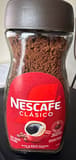
 Nescafé Clásico Nescafé · 7 oz (200 g) Score 100 out of 100 Excellent
 -
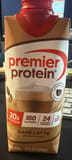 Café Latte Protein Shake Premier Protein · 11 fl oz Score 46 out of 100 Okay
 -
 Classic Roast Ground Coffee Folgers · 43.5 oz Score 100 out of 100 Excellent
 -
 Instant Coffee Folgers Score 100 out of 100 Excellent
 -
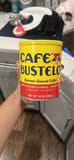 Café Espresso Molido Cafe Bustelo · 10 oz Score 100 out of 100 Excellent
 -
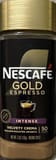 Gold Espresso Intense Coffee Nescafé · 3.5 oz Score 100 out of 100 Excellent
 -
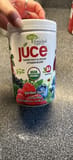 garden berry Super Fruit & Veggie Vitamin Blend Terra Kai Organics · 12.2 oz Score 40 out of 100 Okay
 -
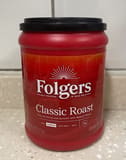 Classic Roast (Medium) Coffee Folgers · 9.6 oz (272 g) Score 100 out of 100 Excellent
 -
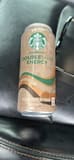 Doubleshot Energy Starbucks · 15 oz Score 15 out of 100 Bad
Diets and allergens
- Vegan
- Yes
- Vegetarian
- Yes
- Gluten-free
- Yes
For the ingredient in general. Always check the package: a product’s own labels win.
Names GoodSwap recognizes on labels (32)
- cafe
- coffee
- kaffee
- espresso
- coffee brew
- coffee beans
- decaf coffee
- brewed coffee
- coffee brewed
- coffee powder
- ground coffee
- arabica coffee
- coffee extract
- coffee grounds
- instant coffee
- organic coffee
- roasted coffee
- robusta coffee
- soluble coffee
- cafe instantane
- espresso powder
- cold brew coffee
- colombian coffee
- instant espresso
- dark roast coffee
- 100 arabica coffee
- coffee concentrate
- freeze dried coffee
- arabica coffee beans
- decaffeinated coffee
- instant coffee powder
- brewed coffee water coffee
Sources
-
Spilling the Beans: How Much Caffeine is Too Much?
“For most adults, the FDA has cited 400 milligrams* a day — that's about two to three 12-fluid-ounce cups of coffee — as an amount not generally associated with negative effects.”
fda.gov
-
Caffeine (EFSA topic page; Scientific Opinion on the safety of caffeine, 2015)
“Caffeine intakes from all sources up to 200mg per day consumed throughout the day do not raise safety concerns for the foetus.”
efsa.europa.eu