Food additive · Acidity regulator / phosphate
Potassium phosphate
- E-number
- E340
Phosphate salts used as acidity regulators, stabilizers and mineral sources.
- Food additive
- Phosphate additive
- Expert review pending
Concern level
A minor or very limited concern, such as being an ultra-processing marker only. The concern level sets how many points potassium phosphate costs on a product’s receipt.
What the evidence says
-
Low concernStrong evidence
EFSA (2019) set a group ADI for phosphates of 40 mg/kg body weight (as phosphorus) and noted that infants, toddlers and children may exceed it. [1]
Evidence tiers say how sure the evidence is, separately from how much it matters. About evidence tiers.
Popular products that list potassium phosphate
470 of the 17,000 most-scanned products in the US with a GoodSwap page list potassium phosphate. The 12 most scanned:
-
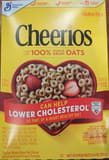 Cheerios General Mills · 8.9 oz Score 65 out of 100 Good
 -
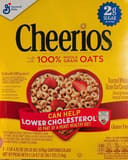 Toasted Whole Grain Oat Cereal Cheerios · 2 × 1 lb 4.35 oz (20.35 oz) (576 g) Score 65 out of 100 Good
 -
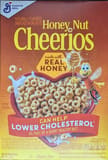 Honey Nut Cheerios General Mills · 10.8 oz Score 17 out of 100 Bad
 -
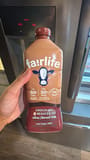 Chocolate Reduced Fat Ultra-filtered Milk Fairlife · 52 fl oz Score 30 out of 100 Poor
 -
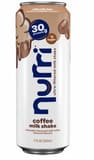 Nufri Chocolate Milk Shake Nurri Score 56 out of 100 Okay
 -
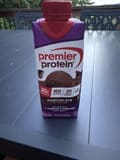 Chocolate Shake Premier Protein · 11 fl oz (325 mL) Score 81 out of 100 Excellent
 -
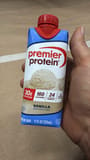 Premier Protein Vanilla Shake Premier Protein · 11 oz Score 40 out of 100 Okay
 -
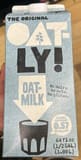 Oat-Milk Oatly · 64 fl oz Score 65 out of 100 Good
 -
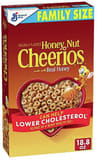 Honey Nut Cheerios General Mills · 18.8 oz Score 15 out of 100 Bad
 -
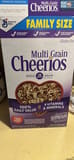 Multi Grain Cheerios Cheerios · 510 g Score 20 out of 100 Poor
 -
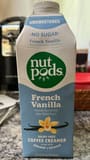 French Vanilla Coffee Creamer Nut Pods · 750 g Score 69 out of 100 Good
 -
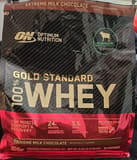 Gold Standard 100% Whey Extreme Milk Chocolate Optimum Nutrition · 5.64 lb/2.56 kg Score 45 out of 100 Okay
Diets and allergens
- Vegan
- Yes
- Vegetarian
- Yes
- Gluten-free
- Yes
For the ingredient in general. Always check the package: a product’s own labels win.
Names GoodSwap recognizes on labels (21)
- e340
- stabiliser e340
- stabilizer e340
- potassium phosphate
- potassium phosphates
- dipotassium phosphate
- acidity regulator e340
- tripotassium phosphate
- monopotassium phosphate
- dibasic potassium phosphate
- potassium phosphate dibasic
- stabiliser potassium phosphate
- stabiliser potassium phosphates
- dipotassium phosphate emulsifier
- stabiliser dipotassium phosphate
- stabilisers potassium phosphates
- stabilizer dipotassium phosphate
- acidity regulator potassium phosphate
- acidity regulator potassium phosphates
- acidity regulator dipotassium phosphate
- acidity regulators potassium phosphates
Sources
-
EFSA issues new advice on phosphates
“We estimated that dietary exposure to phosphates may exceed the new ADI for infants, toddlers and children with average consumption of phosphates in their diet.”
efsa.europa.eu