
Candies
De La Rosa Pulparindo original
Score
- Ultra-processed
- Contains added sugars
Why it scores 35
De La Rosa Pulparindo original scores 35 out of 100 (Poor) under GoodSwap’s published rules. What moved the score most:
- minus 20 points Sugar: An added sugar. Strong
- minus 20 points Corn syrup: An added sugar. Strong
- minus 18 points Ultra-processed (NOVA 4): Classified NOVA 4: made with industrial ingredients and additives. Strong
Every line of the math is on The Receipt below, with its evidence tier and sources.
The Receipt
Pulparindo original
Ingredients
- Sugar minus 20 points
- Corn syrup minus 20 points
- Sodium benzoate minus 7.5 points
Processing
- Ultra-processed (NOVA 4) minus 18 points
100 − 65.5 = 34.5 → 35
Can’t score above 79. Contains sugar, an ingredient of high concern. [1][2][3]
Nutrition per 100 g
| Saturated fat | 0 g |
|---|---|
| Sugars | 0 g |
| Added sugars | 0 g |
Ingredients
- sugar (high concern)
- tamarind pulp
- glucose (high concern)
- salt iodizada
- acid cītrico (not recognized)
- chile guajillo ground esterilizadoy sodium benzoate to maintain freshness this product is manufactured in a facility where wheat (moderate concern)
- milk
- soy are used (not recognized)
- this product is made in a plant that processes wheat
- milk and soy
- this unit not labeled for retail sale (not recognized)
- not tagged for sale individual (not recognized)
- nutritional information in multiple pack (not recognized)
- the environment clean sepve the environment clean (not recognized)
Label text, as published
sugar, tamarind pulp, corn syrup, iodized salt, citric acid, sterilized ground guajillo chili and sodium benzoaje to preserve freshness ingredients: sugar, tamarind pulp, glucose, salt iodizada, acid cītrico, chile guajillo ground esterilizadoy sodium benzoate to maintain freshness this product is manufactured in a facility where wheat, milk, soy are used, this product is made in a plant that processes wheat, milk and soy, this unit not labeled for retail sale, not tagged for sale individual, nutritional information in multiple pack, nutrition facts on packaging multiple, the environment clean sepve the environment clean
Allergens and diets
Contains: Milk, Soy, Wheat
- Not vegan
- Not gluten-free
Always check the package: recipes change.
More candies on GoodSwap
-
 Dark Chocolate Coconut Bar Unreal · 15 g High in saturated fatContains added sugarsNo additivesSeed-oil free Score 27 out of 100 Poor
 -
 Ice Breakers Cool Mint Hershey · 42 gr Ultra-processedContains sugar alcohols Score 72 out of 100 Good
 -
 Dark Chocolate Peanut Butter Cups Trader Joe's · 16 oz Ultra-processedHigh in sugarHigh in saturated fatContains added sugars Score 2 out of 100 Bad
 -
 Organic Giggles YumEarth · 2 oz/56.7 g Ultra-processedHigh in sugarContains added sugarsContains palm oil Score 9 out of 100 Bad
 -
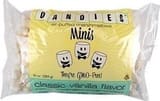 Vanilla Flavored Mini Vegan Marshmallows Dandies · 283 Ultra-processedHigh in sugarContains added sugarsContains emulsifiers studied for gut effects Score 12 out of 100 Bad
 -
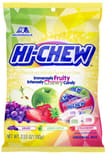 Original Mix Hi-Chew · 3.53 oz/100 g Ultra-processedHigh in sugarContains added sugarsContains artificial flavors Score 4 out of 100 Bad
Sources
-
Guideline: sugars intake for adults and children
“In both adults and children, WHO recommends reducing the intake of free sugars to less than 10% of total energy intake”
who.int
-
Dietary Guidelines for Americans, 2025–2030
“Limit foods and beverages that include artificial flavors, petroleum-based dyes, artificial preservatives, and low-calorie non-nutritive sweeteners.”
cdn.realfood.gov
-
Added and free sugars should be as low as possible
“Sugar consumption is a known cause of dental caries.”
efsa.europa.eu
-
“Artificial colours or a sodium benzoate preservative (or both) in the diet result in increased hyperactivity in 3-year-old and 8/9-year-old children in the general population.”
doi.org
-
Re-evaluation of benzyl alcohol (E 1519) as food additive (records the 2016 benzoate re-evaluation)
“derived a group ADI of 5 mg/kg bw per day (expressed as benzoic acid) in accordance with the ADI previously derived by SCF and JECFA”
doi.org
-
“Greater exposure to ultra-processed food was associated with a higher risk of adverse health outcomes, especially cardiometabolic, common mental disorder, and mortality outcomes.”
doi.org