Bodybuilding supplements
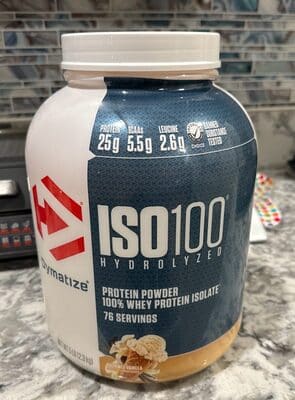
Dymatize Protein Powder 100% Whey Protein Isolate
5 lb/2.3 kg
Score
- Contains non-nutritive sweeteners
- Contains artificial flavors
Why it scores 92
Dymatize Protein Powder 100% Whey Protein Isolate scores 92 out of 100 (Excellent) under GoodSwap’s published rules. What moved the score most:
- minus 5 points Sucralose: In a 2022 randomized study, sucralose and saccharin altered the gut microbiome and impaired glucose responses in some people; a 2023 lab study raised questions about its by-product sucralose-6-acetate. Strong
- minus 1 points Whey protein concentrate / isolate: An ingredient typical of ultra-processed foods (NOVA group 4). Info
- minus 1 points Natural and artificial flavors: The label does not disclose which flavoring substances are used. Strong
Every line of the math is on The Receipt below, with its evidence tier and sources.
The Receipt
Protein Powder 100% Whey Protein Isolate
Ingredients
- Sucralose minus 5 points
- Whey protein concentrate / isolate minus 1 points
- Natural and artificial flavors minus 1 points
- Soy lecithin minus 0.5 points
- Stevia (steviol glycosides) minus 0.5 points
100 − 8 = 92
Nutrition per 100 g
| Energy | 367 kcal |
|---|---|
| Fat | 0 g |
| Saturated fat | 0 g |
| Trans fat | 0 g |
| Carbohydrates | 3.3 g |
| Sugars | 3.3 g |
| Added sugars | 0 g |
| Fiber | 0 g |
| Protein | 83.3 g |
| Salt | 0.8 g |
Serving: 1 scoop (30 g)
Ingredients
- HYDROLYZED WHEY PROTEIN ISOLATE
- WHEY PROTEIN ISOLATE
- NATURAL AND ARTIFICIAL FLAVOR
- SOY LECITHIN
- SALT
- SUCRALOSE (moderate concern)
- STEVIOL GLYCOSIDES (STEVIA)
Label text, as published
HYDROLYZED WHEY PROTEIN ISOLATE, WHEY PROTEIN ISOLATE, NATURAL AND ARTIFICIAL FLAVOR, SOY LECITHIN, SALT, SUCRALOSE, STEVIOL GLYCOSIDES (STEVIA).
Allergens and diets
Contains: Milk, Soy
- Not vegan
- Palm-oil-free
Always check the package: recipes change.
More bodybuilding supplements on GoodSwap
-
 Collagen Peptides + Probiotics Orgain · cada cuánto se toma Score 99 out of 100 Excellent
 -
 Organic Protein Orgain · 16.3 oz/1.02 lb/462 g Ultra-processedHigh in saltContains non-nutritive sweetenersContains sugar alcohols Score 48 out of 100 Okay
 -
 Orgain Protein Shakes Orgain · 5.94 L Contains non-nutritive sweetenersContains emulsifiers studied for gut effectsContains seed oils Score 90 out of 100 Excellent
 -
 Ensure High Protein Nutrition Shake Ensure Contains non-nutritive sweetenersContains added sugarsContains emulsifiers studied for gut effectsContains seed oils Score 69 out of 100 Good
 -
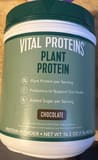 Plant protein - Chocolate Vital Proteins · 16.5 oz Contains non-nutritive sweeteners Score 97 out of 100 Excellent
 -
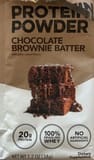 Protein Powder Chocolate Brownie Batter Clean Simple Eats Contains non-nutritive sweetenersContains sugar alcohols Score 96 out of 100 Excellent
More from Dymatize
-
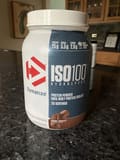 ISO100 Hydrolyzed Protein Powder 100% Whey Protein Isolate Dymatize · 22.6 oz/1.4 lb/640 g Score 93 out of 100 Excellent
 -
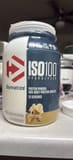 ISO100 Hydrolyzed Protein Powder 100% Whey Protein Isolate Gourmet Vanilla Dymatize · 1.34 lb (610 g) Score 92 out of 100 Excellent
 -
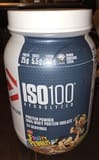 ISO100 Hydrolyzed Protein Powder Dymatize Score 24 out of 100 Poor
 -
 Super Mass Gainer Rich Chocolate Dymatize Score 77 out of 100 Good
Sources
-
Personalized microbiome-driven effects of non-nutritive sweeteners on human glucose tolerance
“As groups, each administered NNS distinctly altered stool and oral microbiome and plasma metabolome, whereas saccharin and sucralose significantly impaired glycemic responses.”
doi.org
-
“Sucralose-6-acetate significantly increased the expression of genes associated with inflammation, oxidative stress, and cancer”
doi.org
-
“EFSA’s experts concluded that the sweetener sucralose (E 955) continues to be safe for consumers for its currently authorised uses as a food additive.”
efsa.europa.eu
-
WHO advises not to use non-sugar sweeteners for weight control in newly released guideline
“The recommendation is based on the findings of a systematic review of the available evidence which suggests that use of NSS does not confer any long-term benefit in reducing body fat in adults or children.”
who.int
-
Dietary Guidelines for Americans, 2025–2030
“Limit foods and beverages that include artificial flavors, petroleum-based dyes, artificial preservatives, and low-calorie non-nutritive sweeteners.”
cdn.realfood.gov
-
21 CFR 101.22 Foods; labeling of spices, flavorings, colorings and chemical preservatives
“whose significant function in food is flavoring rather than nutritional.”
ecfr.gov