Protein powders
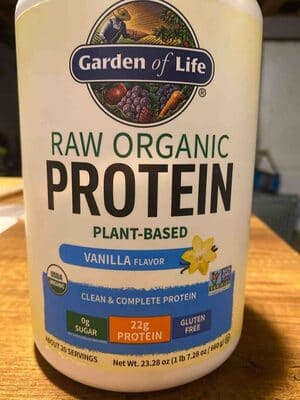
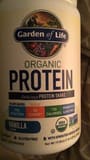
Garden of life organic protein powder
23.28 oz
Score
- Contains non-nutritive sweeteners
- Contains sugar alcohols
- Certified organic
- Contains whole grains
Why it scores 92
Garden of life organic protein powder scores 92 out of 100 (Excellent) under GoodSwap’s published rules. What moved the score most:
- minus 5 points Erythritol: A 2023 study linked higher blood erythritol to cardiovascular events and found it increased clotting activity; long-term safety studies are warranted. Strong
- minus 1 points Pea protein: An ingredient typical of ultra-processed foods (NOVA group 4). Info
- minus 1 points Natural flavors: "Natural flavor" is a legal category (21 CFR 101.22(a)(3)): flavor substances from spices, fruits, vegetables, meat, dairy or fermentation. Info
Every line of the math is on The Receipt below, with its evidence tier and sources.
The Receipt
Garden of life organic protein powder
Ingredients
- Erythritol minus 5 points
- Pea protein minus 1 points
- Natural flavors minus 1 points
- Guar gum minus 0.5 points
- Stevia (steviol glycosides) minus 0.5 points
100 − 8 = 92
Nutrition per 100 g
| Energy | 394 kcal |
|---|---|
| Fat | 7.6 g |
| Saturated fat | 1.5 g |
| Trans fat | 0 g |
| Carbohydrates | 18.2 g |
| Sugars | 0 g |
| Added sugars | 0 g |
| Fiber | 15.2 g |
| Protein | 66.7 g |
| Salt | 2.3 g |
Serving: 1 scoop (33 g)
Ingredients
- Raw Organic Protein Blend: Organic Pea Protein
- Organic Sprouted Brown Rice Protein
- Organic Amaranth Sprout
- Organic Buckwheat Sprout
- Organic Millet Sprout
- Organic Cracked Wall Chlorella
- Organic Quinoa Sprout
- Organic Chia Seed Sprout
- Organic Garbanzo Bean Sprout (not recognized)
- Organic Lentil Sprout
- Organic Adzuki Bean Sprout (not recognized)
- Organic Flax Seed Sprout
- Organic Sunflower Seed Sprout
- Organic Pumpkin Seed Sprout
- Organic Sesame Seed Sprout
- Organic Flavor Blend: Organic Vanilla Flavor with Other Natural Flavors
- Organic Erythritol (moderate concern)
- Organic Guar Gum
- Organic Stevia Leaf Extract
- Sea Salt
- Raw Probiotic & Enzyme Blend: Lipase
- Protease
- Aspergillopepsin (not recognized)
- beta-Glucanase (not recognized)
- Cellulase
- Bromelain
- Phytase (not recognized)
- Lactase
- Papain
- Peptidase (not recognized)
- Pectinase
- Hemicellulase
- Xylanase
- Bacillus subtilis DE111® (250 million CFU at time of expiration). grown i C qcsM (not recognized)
Label text, as published
Raw Organic Protein Blend: Organic Pea Protein, Organic Sprouted Brown Rice Protein, Organic Amaranth Sprout, Organic Buckwheat Sprout, Organic Millet Sprout, Organic Cracked Wall Chlorella, Organic Quinoa Sprout, Organic Chia Seed Sprout, Organic Garbanzo Bean Sprout, Organic Lentil Sprout, Organic Adzuki Bean Sprout, Organic Flax Seed Sprout, Organic Sunflower Seed Sprout, Organic Pumpkin Seed Sprout, Organic Sesame Seed Sprout, Organic Flavor Blend: Organic Vanilla Flavor with Other Natural Flavors, Organic Erythritol, Organic Guar Gum, Organic Stevia Leaf Extract, Sea Salt, Raw Probiotic & Enzyme Blend: Lipase, Protease, Aspergillopepsin, beta-Glucanase, Cellulase, Bromelain, Phytase, Lactase, Papain, Peptidase, Pectinase, Hemicellulase, Xylanase, Bacillus subtilis DE111® (250 million CFU at time of expiration). grown i C qcsM Contains: Sesame. www.g 2023 DE111® is a trademark of Deerland Probiotics & Enzymes, Inc. ROPVL - if CEATIFE Green Distr 4200 Palm
Allergens and diets
Contains: Sesame
- Vegan
- Vegetarian
Always check the package: recipes change.
More protein powders on GoodSwap
-
 Organic Protein Orgain · 43.2 oz (2.7 lb) 1.22 kg Contains non-nutritive sweetenersContains sugar alcoholsContains seed oilsCertified organic Score 89 out of 100 Excellent
 -
 Organic Protein Orgain · 1.2 kg Contains non-nutritive sweetenersContains sugar alcoholsContains seed oilsCertified organic Score 89 out of 100 Excellent
 -
 Protein powder Optimum Nutrition · 80 × 31 g Contains non-nutritive sweetenersContains emulsifiers studied for gut effectsContains artificial flavors Score 83 out of 100 Excellent
 -
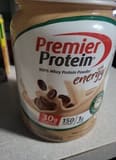 Premier Protein 100% Whey Protein Powder Premier Protein · 680 g Contains non-nutritive sweetenersContains caffeineContains artificial flavors Score 91 out of 100 Excellent
 -
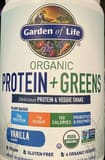
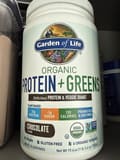
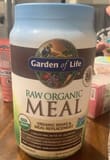 Raw Organic Meal Chocolate Flavor Garden of Life · 1017 g Contains non-nutritive sweetenersContains sugar alcoholsCertified organicContains whole grains Score 92 out of 100 Excellent
 -
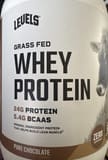 Whey Protein Levels · 32 oz Contains non-nutritive sweeteners Score 97 out of 100 Excellent
More from Garden of Life
Sources
-
The artificial sweetener erythritol and cardiovascular event risk
“Our findings reveal that erythritol is both associated with incident MACE risk and fosters enhanced thrombosis. Studies assessing the long-term safety of erythritol are warranted.”
doi.org
-
Re-evaluation of erythritol (E 968) as a food additive (plain language summary)
“In all groups of people, both acute and chronic exposure to erythritol is above the newly set ADI.”
efsa.europa.eu
-
21 CFR 101.22 Foods; labeling of spices, flavorings, colorings and chemical preservatives
“whose significant function in food is flavoring rather than nutritional.”
ecfr.gov
-
WHO advises not to use non-sugar sweeteners for weight control in newly released guideline
“The recommendation is based on the findings of a systematic review of the available evidence which suggests that use of NSS does not confer any long-term benefit in reducing body fat in adults or children.”
who.int
-
Dietary Guidelines for Americans, 2025–2030
“Limit foods and beverages that include artificial flavors, petroleum-based dyes, artificial preservatives, and low-calorie non-nutritive sweeteners.”
cdn.realfood.gov
-
Regulation (EU) No 1169/2011, Annex III point 2.4 (foods with more than 10 % added polyols)
“‘excessive consumption may produce laxative effects’.”
eur-lex.europa.eu