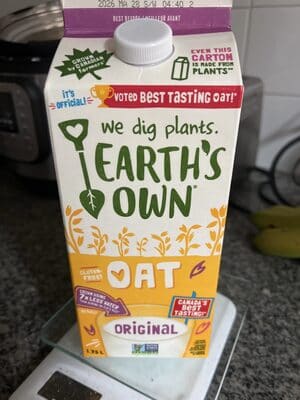
Milk substitutes
Earth's Own Oat Original
1.75 L
Score
- Ultra-processed
- Contains seed oils
- Contains whole grains
Why it scores 73
Earth's Own Oat Original scores 73 out of 100 (Good) under GoodSwap’s published rules. What moved the score most:
- minus 18 points Ultra-processed (NOVA 4): Classified NOVA 4: made with industrial ingredients and additives. Strong
- minus 2.5 points Sunflower oil: High in omega-6 linoleic acid. Emerging
- minus 2.5 points Gellan gum: An ingredient class typical of ultra-processed foods (NOVA group 4). Info
Every line of the math is on The Receipt below, with its evidence tier and sources.
Better plant milks
-
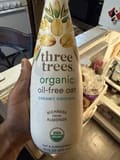 Organic Oat & Seed Oat Milk Three Trees · 28 fl oz Not ultra-processed · No seed oils Score 100 out of 100 , 27 points higher
 -
 oat milk organic ORIGINAL Milk Not ultra-processed · No seed oils Score 100 out of 100 , 27 points higher
 -
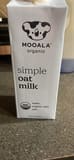 Simple Oat Milk Mooala Not ultra-processed · No seed oils Score 100 out of 100 , 27 points higher
 -
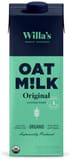 Original Unsweetened Oat Milk Willa's Not ultra-processed · No seed oils Score 100 out of 100 , 27 points higher
 -
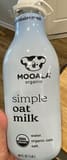 Oat Milk Mooala Organic Not ultra-processed · No seed oils Score 100 out of 100 , 27 points higher
The same kind of product, at least 10 points higher, sold in the US. Never paid placements.
The Receipt
Oat Original
Ingredients
- Sunflower oil minus 2.5 points
- Gellan gum minus 2.5 points
- Locust bean gum minus 2.5 points
- Calcium phosphate minus 1.5 points
Processing
- Ultra-processed (NOVA 4) minus 18 points
100 − 27 = 73
Nutrition per 100 g
| Energy | 50 kcal |
|---|---|
| Fat | 2 g |
| Saturated fat | 0.2 g |
| Carbohydrates | 6.8 g |
| Sugars | 2.8 g |
| Added sugars | 0 g |
| Fiber | 0.8 g |
| Protein | 1.2 g |
| Salt | 0.1 g |
Serving: 1 serving (250 g)
Ingredients
- Oat base (filtered water, gluten-free oats)
- sunflower oil
- sea salt
- gellan gum
- locust bean gum
- amylase
- vitamins and minerals (tricalcium phosphate, calcium carbonate, vitamin A palmitate, vitamin D2, riboflavin, vitamin B12, zinc gluconate)
Label text, as published
Oat base (filtered water, gluten-free oats), sunflower oil, sea salt, gellan gum, locust bean gum, amylase, vitamins and minerals (tricalcium phosphate, calcium carbonate, vitamin A palmitate, vitamin D2, riboflavin, vitamin B12, zinc gluconate).
Allergens and diets
Contains: Gluten
May contain: Tree nuts, Soy
- Vegan
- Vegetarian
- Not gluten-free
- Palm-oil-free
Always check the package: recipes change.
Packaging
Composite material
Context only: no points in v1.
More milk substitutes on GoodSwap
-
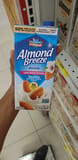 Almond Breeze Unsweetened Vanilla almondmilk Blue Diamond · 240 mL Ultra-processed Score 71 out of 100 Good
 -
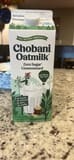 Oat blend Chobani · 52 fl oz Ultra-processedContains seed oilsContains whole grains Score 77 out of 100 Good
 -
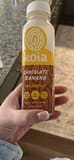 Chocolate Banana Plant-Based Shake Koia · 12 fl oz/355 mL Ultra-processedContains non-nutritive sweetenersContains added sugars Score 16 out of 100 Bad
 -
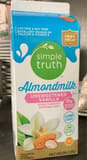 Almondmilk Simple Truth · half gal/1.89 L Ultra-processed Score 72 out of 100 Good
 -
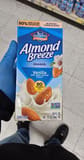 Almondmilk Blue Diamond Almonds · 240 mL Ultra-processedContains added sugars Score 50 out of 100 Okay
 -
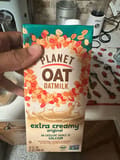 Oatmilk Extra Creamy Aseptic Planet Oat Ultra-processedContains seed oilsContains whole grains Score 77 out of 100 Good
Sources
-
“replacement of saturated fat in the diet with linoleic acid effectively lowers serum cholesterol but does not support the hypothesis that this translates to a lower risk of death from coronary heart disease or all causes.”
doi.org
-
“These data provide support for current recommendations to replace saturated fat with polyunsaturated fat for primary prevention of CHD.”
doi.org
-
EFSA issues new advice on phosphates
“We estimated that dietary exposure to phosphates may exceed the new ADI for infants, toddlers and children with average consumption of phosphates in their diet.”
efsa.europa.eu
-
“Greater exposure to ultra-processed food was associated with a higher risk of adverse health outcomes, especially cardiometabolic, common mental disorder, and mortality outcomes.”
doi.org
-
Dietary Guidelines for Americans, 2025–2030
“Limit foods and beverages that include artificial flavors, petroleum-based dyes, artificial preservatives, and low-calorie non-nutritive sweeteners.”
cdn.realfood.gov