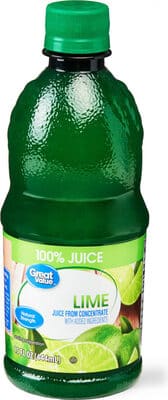
Plant-based beverages
Great Value 100% Lime Juice
15 fl oz/444 mL
Score
Why it scores 85
Great Value 100% Lime Juice scores 85 out of 100 (Excellent) under GoodSwap’s published rules. What moved the score most:
- minus 8 points Processed (NOVA 3): Classified NOVA 3: processed with added salt, sugar or oil. Emerging
- minus 7.5 points Sodium benzoate: Benzoates can form small amounts of benzene in drinks that also contain ascorbic acid (vitamin C), especially with heat or light. Strong
Every line of the math is on The Receipt below, with its evidence tier and sources.
Better juices and juice drinks
-
 Pure Lime Juice Santa Cruz Organic · 16 fl oz (473 mL) No sodium benzoate Score 100 out of 100 , 15 points higher
 -
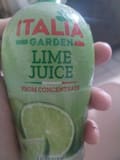 Lime juice Italia Garden No sodium benzoate Score 100 out of 100 , 15 points higher
 -
 Organic 100% Juice, Lime 365 Everyday Value · 10 fl oz/296 mL No sodium benzoate Score 100 out of 100 , 15 points higher
 -
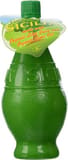 Lime Squeeze Organic Sicilia · 4 fl oz No sodium benzoate Score 100 out of 100 , 15 points higher
 -
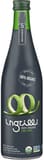 100% Organic Lime Juice Ingrilli · 16.9 fl oz No sodium benzoate Score 100 out of 100 , 15 points higher
The same kind of product, at least 10 points higher, sold in the US. Never paid placements.
The Receipt
100% Lime Juice
Ingredients
- Sodium benzoate minus 7.5 points
Processing
- Processed (NOVA 3) minus 8 points
100 − 15.5 = 84.5 → 85
Nutrition per 100 ml
| Energy | 0 kcal |
|---|---|
| Fat | 0 g |
| Saturated fat | 0 g |
| Trans fat | 0 g |
| Carbohydrates | 0 g |
| Sugars | 0 g |
| Protein | 0 g |
| Salt | 0 g |
Serving: 1 tsp (5 ml)
Ingredients
Label text, as published
FILTERED WATER, LIME JUICE CONCENTRATE, LESS THAN 2% OF: LIME OIL, SODIUM BENZOATE (PRESERVATIVE). SODIUM BISULFITE (PRESERVATIVE).
Allergens and diets
- Vegan
- Vegetarian
- Gluten-free
- Palm-oil-free
Always check the package: recipes change.
More plant-based beverages on GoodSwap
-
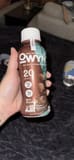 Non-Dairy Protein Shake OWYN · 12 oz Ultra-processedContains non-nutritive sweetenersContains added sugarsContains seed oils Score 39 out of 100 Poor
 -
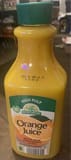 Orange juice Aldi No additives Score 90 out of 100 Excellent
 -
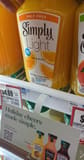 Simply Light Orange Juice Pulp Free Simply Beverages · 52.0 fl oz Ultra-processedContains non-nutritive sweetenersNo synthetic dyes Score 59 out of 100 Okay
 -
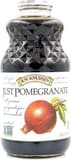 Pomegranate Juice R.W. Knudsen · 32 fl oz/1 qt/946 mL High in sugarNo additives Score 79 out of 100 Good
 - 100% Juice From Concentrate Great Value · 64 fl oz/2 Quart/1.89 L Score 77 out of 100 Good
-
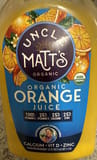 Calcium orange juice Uncle Matt's · 52 oz Certified organic Score 92 out of 100 Excellent
More from Great Value
Sources
-
“Artificial colours or a sodium benzoate preservative (or both) in the diet result in increased hyperactivity in 3-year-old and 8/9-year-old children in the general population.”
doi.org
-
Re-evaluation of benzyl alcohol (E 1519) as food additive (records the 2016 benzoate re-evaluation)
“derived a group ADI of 5 mg/kg bw per day (expressed as benzoic acid) in accordance with the ADI previously derived by SCF and JECFA”
doi.org