Cereals and their products
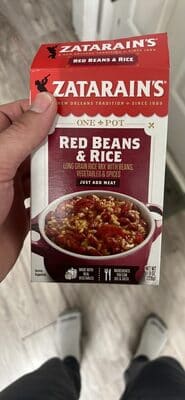
Zatarain's Red Beans & Rice
226 g
Score
- Ultra-processed
- High in salt
- No synthetic dyes
Why it scores 73
Zatarain's Red Beans & Rice scores 73 out of 100 (Good) under GoodSwap’s published rules. What moved the score most:
- minus 18 points Ultra-processed (NOVA 4): Classified NOVA 4: made with industrial ingredients and additives. Strong
- minus 9 points Salt 3.1 g / 100 g: Very high in salt. Strong
- plus 4 points Fiber 8 g / 100 g: A good source of fiber. Strong
Every line of the math is on The Receipt below, with its evidence tier and sources.
The Receipt
Red Beans & Rice
Ingredients
- Yeast extract minus 2.5 points
- Hydrolyzed vegetable protein minus 2.5 points
Processing
- Ultra-processed (NOVA 4) minus 18 points
- 2 kinds of ultra-processing markers minus 1.5 points
Nutrition per 100 g
- Salt 3.1 g / 100 g minus 9 points
- Fiber 8 g / 100 g plus 4 points
- Protein 14 g / 100 g plus 2 points
100 − 27.5 = 72.5 → 73
Can’t score above 79. High in salt (above the front-of-pack "high" level). [4]
Nutrition per 100 g
| Energy | 340 kcal |
|---|---|
| Fat | 2 g |
| Saturated fat | 0 g |
| Trans fat | 0 g |
| Carbohydrates | 68 g |
| Sugars | 2 g |
| Added sugars | 0 g |
| Fiber | 8 g |
| Protein | 14 g |
| Salt | 3.1 g |
Serving: 1 serving (50 g)
Ingredients
- ENRICHED LONG GRAIN PARBOILED RICE (RICE, IRON, NIACIN, THIAMINE MONONITRATE, FOLIC ACID)
- RED BEANS
- ENRICHED WHEAT FLOUR (FLOUR, NIACIN, IRON, THIAMINE MONONITRATE, RIBOFLAVIN, FOLIC ACID)
- SALT
- ONION
- YEAST EXTRACT
- CORN STARCH
- HYDROLYZED SOY PROTEIN
- RED AND GREEN BELL PEPPER
- MALTED BARLEY FLOUR
- GARLIC
- POTASSIUM CHLORIDE
- SPICES (INCLUDING PAPRIKA, RED PEPPER)
- CITRIC ACID
- EXTRACTIVES OF PAPRIKA & NATURAL FLAVOR
Label text, as published
ENRICHED LONG GRAIN PARBOILED RICE (RICE, IRON, NIACIN, THIAMINE MONONITRATE, FOLIC ACID), RED BEANS, ENRICHED WHEAT FLOUR (FLOUR, NIACIN, IRON, THIAMINE MONONITRATE, RIBOFLAVIN, FOLIC ACID), SALT, ONION, YEAST EXTRACT, CORN STARCH, HYDROLYZED SOY PROTEIN, RED AND GREEN BELL PEPPER, MALTED BARLEY FLOUR, GARLIC, POTASSIUM CHLORIDE, SPICES (INCLUDING PAPRIKA, RED PEPPER), CITRIC ACID, EXTRACTIVES OF PAPRIKA & NATURAL FLAVOR
Allergens and diets
Contains: Soy, Wheat, Gluten
- Vegan
- Vegetarian
- Not gluten-free
- Palm-oil-free
Always check the package: recipes change.
Packaging
Cardboard
Context only: no points in v1.
More cereals and their products on GoodSwap
-
 healthy grains granola Dark Chocolate Kind · 11 oz Ultra-processedContains added sugarsContains seed oilsContains whole grains Score 23 out of 100 Poor
 -
 Original Shell Pasta & Cheese Sauce Velveeta · 12 oz (340 g) Ultra-processedHigh in saltContains seed oilsNo synthetic dyes Score 56 out of 100 Okay
 -
 healthy grains granola Peanut Butter Kind · 11 oz Contains added sugarsSeed-oil freeContains whole grains Score 48 out of 100 Okay
 -
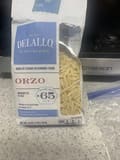 Orzo Delallo · 16 oz (454 g) No additives Score 100 out of 100 Excellent
 -
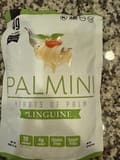 Hearts of Palm Linguine Palmini · 338 g Score 92 out of 100 Excellent
 -
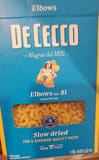 Elbows no. 81 De Cecco · 1 lb No additives Score 100 out of 100 Excellent
More from Zatarain's
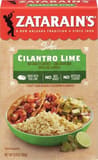
Sources
-
“For adults, WHO recommends less than 2000 mg/day of sodium (equivalent to less than 5 g/day salt), or just under a teaspoon.”
who.int
-
Dietary Guidelines for Americans, 2025–2030
“Limit foods and beverages that include artificial flavors, petroleum-based dyes, artificial preservatives, and low-calorie non-nutritive sweeteners.”
cdn.realfood.gov
-
“Table 3: Criteria for drinks (per 100ml)”
assets.publishing.service.gov.uk
-
“Greater exposure to ultra-processed food was associated with a higher risk of adverse health outcomes, especially cardiometabolic, common mental disorder, and mortality outcomes.”
doi.org