Cereals and their products
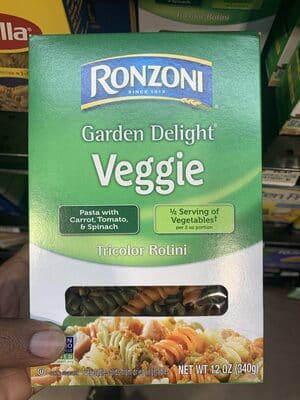
Ronzoni Veggie Tricolor Rotini
12 oz
Score
- No additives
Why it scores 100
Ronzoni Veggie Tricolor Rotini scores 100 out of 100 (Excellent) under GoodSwap’s published rules. What moved the score most:
- minus 3 points Sugars 5.4 g / 100 g: Contains some sugar. Strong
- plus 3 points No additives: No food additives in the ingredient list. Info
- minus 2 points Energy 357 kcal / 100 g: Energy-dense for its weight. Info
Every line of the math is on The Receipt below, with its evidence tier and sources.
The Receipt
Veggie Tricolor Rotini
Nutrition per 100 g
- Sugars 5.4 g / 100 g minus 3 points
- Energy 357 kcal / 100 g minus 2 points
- Fiber 3.6 g / 100 g plus 2 points
- Protein 14.3 g / 100 g plus 2 points
Bonuses
- No additives plus 3 points
100 + 2 = 100
Nutrition per 100 g
| Energy | 357 kcal |
|---|---|
| Fat | 1.8 g |
| Saturated fat | 0 g |
| Trans fat | 0 g |
| Carbohydrates | 71.4 g |
| Sugars | 5.4 g |
| Added sugars | 0 g |
| Fiber | 3.6 g |
| Protein | 14.3 g |
| Salt | 0.1 g |
Serving: 0.75 cup (56 g)
Ingredients
- SEMOLINA (WHEAT)
- DURUM FLOUR (WHEAT)
- DRIED CARROTS
- DRIED TOMATO
- DRIED SPINACH
- NIACIN
- FERROUS SULFATE (IRON)
- THIAMIN MONONITRATE
- RIBOFLAVIN
- FOLIC ACID
Label text, as published
SEMOLINA (WHEAT), DURUM FLOUR (WHEAT), DRIED CARROTS, DRIED TOMATO, DRIED SPINACH, NIACIN, FERROUS SULFATE (IRON), THIAMIN MONONITRATE, RIBOFLAVIN, FOLIC ACID
Allergens and diets
Contains: Wheat, Gluten
- Vegan
- Vegetarian
- Not gluten-free
- Palm-oil-free
Always check the package: recipes change.
More cereals and their products on GoodSwap
-
 healthy grains granola Dark Chocolate Kind · 11 oz Ultra-processedContains added sugarsContains seed oilsContains whole grains Score 23 out of 100 Poor
 -
 Original Shell Pasta & Cheese Sauce Velveeta · 12 oz (340 g) Ultra-processedHigh in saltContains seed oilsNo synthetic dyes Score 56 out of 100 Okay
 -
 healthy grains granola Peanut Butter Kind · 11 oz Contains added sugarsSeed-oil freeContains whole grains Score 48 out of 100 Okay
 - Pearl Couscous With Turmeric Rice Select · 21 oz/595 g No additives Score 100 out of 100 Excellent
-
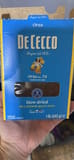 Orzo no. 74 De Cecco · 1 lb/453 g No additives Score 100 out of 100 Excellent
 -
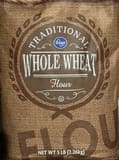 Whole Wheat Flour Kroger · 30 g No additivesContains whole grains Score 100 out of 100 Excellent
More from Ronzoni
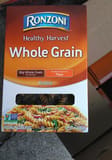
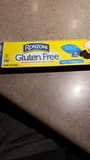
Sources
-
Guideline: sugars intake for adults and children
“In both adults and children, WHO recommends reducing the intake of free sugars to less than 10% of total energy intake”
who.int
-
Dietary Guidelines for Americans, 2025–2030
“Limit foods and beverages that include artificial flavors, petroleum-based dyes, artificial preservatives, and low-calorie non-nutritive sweeteners.”
cdn.realfood.gov