broths
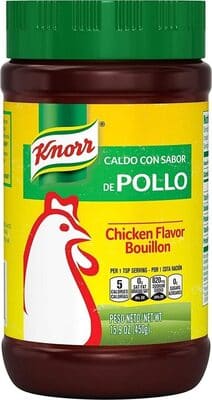
Knorr Pollo
4 g
Score
- Dye with an EU warning label
- Contains synthetic dyes
- Ultra-processed
- High in salt
- Contains added sugars
- Seed-oil free
Why it scores 16
Knorr Pollo scores 16 out of 100 (Bad) under GoodSwap’s published rules. What moved the score most:
- minus 20 points Sugar: An added sugar. Strong
- minus 20 points Yellow 5: In the EU and UK, foods with this color must state that it "may have an adverse effect on activity and attention in children". Regulatory
- minus 18 points Ultra-processed (NOVA 4): Classified NOVA 4: made with industrial ingredients and additives. Strong
Every line of the math is on The Receipt below, with its evidence tier and sources.
Better broth, stock and bouillon
-
 Culinary concentrate chicken base Zoup! · 8 oz No EU warning-label dyes · No synthetic dyes Score 66 out of 100 , 50 points higher
 -
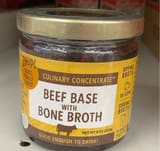 Beef Base with Bone Broth Zoup! · 8 oz No EU warning-label dyes · No synthetic dyes Score 66 out of 100 , 50 points higher
 -
 Bone Broth Dr. Kellyann No EU warning-label dyes · No synthetic dyes Score 68 out of 100 , 52 points higher
 -
 Instant Bone Broth Bare Bones · 15 g/0.53 oz No EU warning-label dyes · No synthetic dyes Score 67 out of 100 , 51 points higher
 -
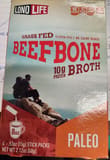 Sipping Bone Broth Grass Fed Beef Lono Life · 2.12 oz/60 g No EU warning-label dyes · No synthetic dyes Score 57 out of 100 , 41 points higher
The same kind of product, at least 10 points higher, sold in the US. Never paid placements.
The Receipt
Knorr Pollo
Ingredients
- Sugar minus 20 points
- Yellow 5 minus 20 points
- Yellow 6 minus 10 points
Processing
- Ultra-processed (NOVA 4) minus 18 points
- 5 kinds of ultra-processing markers minus 6 points
Nutrition per 100 g
- Salt 54.4 g / 100 g minus 9 points
- Energy 250 kcal / 100 g minus 1 points
100 − 84 = 16
Can’t score above 79. Contains sugar, an ingredient of high concern. [1][2][3][4][5][6][7][8][9]
Can’t score above 79. High in salt (above the front-of-pack "high" level). [12]
Nutrition per 100 g
| Energy | 250 kcal |
|---|---|
| Fat | 0 g |
| Carbohydrates | 25 g |
| Added sugars | 16.7 g |
| Protein | 0 g |
| Salt | 54.4 g |
Serving: 4g
Ingredients
- SALT
- SUGAR (high concern)
- CORN STARCH
- MONOSODIUM GLUTAMATE
- BEEF FAT
- HYDROLYZED CORN PROTEIN
- POWDERED COOKED CHICKEN
- YEAST EXTRACT (BARLEY)
- CHICKEN FAT
- NATURAL FLAVOR
- MALTODEXTRIN
- SILICON DIOXIDE (PREVENTS CAKING)
- DEHYDRATED PARSLEY
- DISODIUM INOSINATE
- CITRIC ACID
- YELLOW 5 (high concern)
- YELLOW 6 (high concern)
- ANNATTO (COLOR)
Label text, as published
SALT, SUGAR, CORN STARCH, MONOSODIUM GLUTAMATE, BEEF FAT*, HYDROLYZED CORN PROTEIN, POWDERED COOKED CHICKEN*, YEAST EXTRACT (BARLEY), CHICKEN FAT*, NATURAL FLAVOR, MALTODEXTRIN, SILICON DIOXIDE (PREVENTS CAKING), DEHYDRATED PARSLEY, DISODIUM INOSINATE, CITRIC ACID, YELLOW 5, YELLOW 6, ANNATTO (COLOR).
Allergens and diets
Contains: Gluten
- Not vegan
- Not vegetarian
- Not gluten-free
- Palm-oil-free
Always check the package: recipes change.
More broths on GoodSwap
-
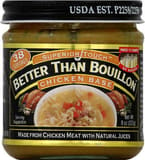 Roasted Chicken Base Better Than Bouillon · 8 oz Ultra-processedHigh in saltContains added sugarsSeed-oil free Score 16 out of 100 Bad
 -
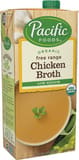 Organic low sodium chicken broth Pacific Foods · 946 mL Ultra-processedCertified organic Score 85 out of 100 Excellent
 -
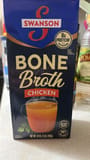 Bone Broth Chicken Swanson · 32 oz No additives Score 94 out of 100 Excellent
 -
 Classic Chicken Bone Broth Kettle & Fire · 32 oz Certified organicNo additives Score 96 out of 100 Excellent
 -
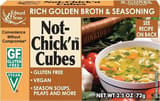 Not chickn bouillon cubes Edward & Sons · 8 bouillon cubes - 2.5 oz (72 g) Ultra-processedHigh in saltHigh in saturated fatContains added sugars Score 40 out of 100 Okay
 - Beef Broth College Inn · 240 mL Ultra-processedContains added sugarsContains seed oils Score 51 out of 100 Okay
More from Knorr
-
 Chicken Flavor Bouillon Knorr · 32 oz Score 21 out of 100 Poor
 -
 Caldo con sabor de pollo Knorr Score 30 out of 100 Poor
 -
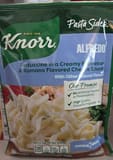 Fettuccine in a Creamy Parmesan & Romano Flavored Cheese Sauce Knorr · 64 g Score 33 out of 100 Poor
 -
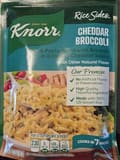 CHEDDAR BROCCOLI Rice & Pasta Blend with Broccoli in a Cheesy Cheddar Sauce Knorr · 5.7 oz (161 g) Score 41 out of 100 Okay
Sources
-
Guideline: sugars intake for adults and children
“In both adults and children, WHO recommends reducing the intake of free sugars to less than 10% of total energy intake”
who.int
-
Dietary Guidelines for Americans, 2025–2030
“Limit foods and beverages that include artificial flavors, petroleum-based dyes, artificial preservatives, and low-calorie non-nutritive sweeteners.”
cdn.realfood.gov
-
Added and free sugars should be as low as possible
“Sugar consumption is a known cause of dental caries.”
efsa.europa.eu
-
Regulation (EC) No 1333/2008 of 16 December 2008 on food additives
“may have an adverse effect on activity and attention in children.”
eur-lex.europa.eu
-
“may have an adverse effect on activity and attention in children.”
legislation.gov.uk
-
“Artificial colours or a sodium benzoate preservative (or both) in the diet result in increased hyperactivity in 3-year-old and 8/9-year-old children in the general population.”
doi.org
-
Tracking Food Industry Pledges to Remove Petroleum Based Food Dyes
“FD&C Green No. 3, FD&C Red No. 40, FD&C Yellow No. 5, FD&C Yellow No. 6, FD&C Blue No. 1, and FD&C Blue No. 2—by the end of 2027.”
fda.gov
-
California AB 2316 (2024), Pupil nutrition: substances: prohibition
“beginning December 31, 2027, would prohibit a school district, county superintendent of schools, or charter school”
leginfo.legislature.ca.gov
-
21 CFR 74.705 FD&C Yellow No. 5
“shall specifically declare the presence of FD&C Yellow No. 5 by listing the color additive as FD&C Yellow No. 5 among the list of ingredients.”
ecfr.gov
-
“For adults, WHO recommends less than 2000 mg/day of sodium (equivalent to less than 5 g/day salt), or just under a teaspoon.”
who.int
-
“Table 3: Criteria for drinks (per 100ml)”
assets.publishing.service.gov.uk
-
HHS, FDA to Phase Out Petroleum-Based Synthetic Dyes in Nation’s Food Supply (press release)
“Initiating the process to revoke authorization for two synthetic food colorings—Citrus Red No. 2 and Orange B—within the coming months.”
fda.gov
-
“Greater exposure to ultra-processed food was associated with a higher risk of adverse health outcomes, especially cardiometabolic, common mental disorder, and mortality outcomes.”
doi.org