
Snacks
Frankford Rice krispies chocolate bunny
1.6 oz/45 g
Score
- Ultra-processed
- High in sugar
- High in saturated fat
- Contains added sugars
- Seed-oil free
Why it scores 7
Frankford Rice krispies chocolate bunny scores 7 out of 100 (Bad) under GoodSwap’s published rules. What moved the score most:
- minus 20 points Sugar: An added sugar. Strong
- minus 20 points Malt syrup: An added sugar. Strong
- minus 18 points Ultra-processed (NOVA 4): Classified NOVA 4: made with industrial ingredients and additives. Strong
Every line of the math is on The Receipt below, with its evidence tier and sources.
The Receipt
Rice krispies chocolate bunny
Ingredients
- Sugar minus 20 points
- Malt syrup minus 20 points
- Milk chocolate (ingredient) minus 7.5 points
- Soy lecithin minus 1.5 points
Processing
- Ultra-processed (NOVA 4) minus 18 points
Nutrition per 100 g
- Sugars 57.8 g / 100 g minus 14 points
- Saturated fat 13.3 g / 100 g minus 9 points
- Energy 511 kcal / 100 g minus 3 points
100 − 93 = 7
Can’t score above 79. Contains sugar, an ingredient of high concern. [1][2][3]
Can’t score above 79. High in fat, saturated fat and sugars (above the front-of-pack "high" level). [6]
Nutrition per 100 g
| Energy | 511 kcal |
|---|---|
| Fat | 24.4 g |
| Saturated fat | 13.3 g |
| Trans fat | 0 g |
| Carbohydrates | 68.9 g |
| Sugars | 57.8 g |
| Added sugars | 53.3 g |
| Fiber | 2.2 g |
| Protein | 4.4 g |
| Salt | 0.2 g |
Serving: 1 package (45 g)
Ingredients
- milk chocolate (sugar, cocoa butter, unsweetened chocolate, dry whole milk powder, nonfat dry milk, soy lecithin [an emulsifier], vanilla extract) (moderate concern)
- cereal (rice, sugar, salt, malt flavor) (not recognized)
- vitamin b6 (pyridoxine hydrochloride)
- vitamin b2 (riboflavin)
- vitamin b1 (thiamin hydrochloride)
- folic acid
- vitamin d3
- vitamin b12
Label text, as published
milk chocolate (sugar, cocoa butter, unsweetened chocolate, dry whole milk powder, nonfat dry milk, soy lecithin [an emulsifier], vanilla extract), cereal (rice, sugar, contains 2% or less of salt, malt flavor). vitamins and minerals: iron (ferric phosphate). niacinamide, vitamin b6 (pyridoxine hydrochloride), vitamin b2 (riboflavin), vitamin b1 (thiamin hydrochloride), folic acid, vitamin d3, vitamin b12. contains: milk, soy. may contain wheat, peanut and tree nuts. contains bioengineered food ingredients. manufactured by frankford candy llc philadelphia, pa 19114 usa visit us at www.frankfordcandy.com frankford. kellogg's and affiliated marks are trademarks of kellogg na co., used with permission. safety warning: d
Allergens and diets
Contains: Milk, Soy, Gluten
May contain: Peanuts, Tree nuts
- Not vegan
- Not gluten-free
- Palm-oil-free
Always check the package: recipes change.
More snacks on GoodSwap
-
 Yoggies Natures Garden Probiotic Strawberry Yoggies · (20 g) 0.7 oz Ultra-processedContains added sugarsContains seed oilsContains palm oil Score 47 out of 100 Okay
 -
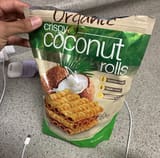 Crispy Coconut Rolls Organic · 312 g High in sugarHigh in saturated fatContains added sugarsCertified organic Score 27 out of 100 Poor
 -
 Protein Peanut butter Dark Chocolate chewy bar Nature Valley Protein · 40 g Ultra-processedHigh in saturated fatContains added sugarsContains seed oils Score 9 out of 100 Bad
 -
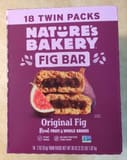 Fig Bar Nature's Bakery · 18 - 2 oz Twin Packs Net WT 36 oz Ultra-processedHigh in sugarContains added sugarsContains seed oils Score 18 out of 100 Bad
 -
 Bombay Spice Seasoned Chickpeas Saffron Road · 5.4 oz/153 g Ultra-processedContains added sugarsContains seed oilsNo synthetic dyes Score 56 out of 100 Okay
 -
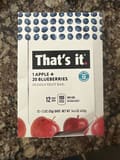 Apples + blueberries fruit bars That's It. · 420 g High in sugarNo additives Score 79 out of 100 Good
Sources
-
Guideline: sugars intake for adults and children
“In both adults and children, WHO recommends reducing the intake of free sugars to less than 10% of total energy intake”
who.int
-
Dietary Guidelines for Americans, 2025–2030
“Limit foods and beverages that include artificial flavors, petroleum-based dyes, artificial preservatives, and low-calorie non-nutritive sweeteners.”
cdn.realfood.gov
-
Added and free sugars should be as low as possible
“Sugar consumption is a known cause of dental caries.”
efsa.europa.eu
-
Saturated fatty acid and trans-fatty acid intake for adults and children: WHO guideline
“WHO recommends that adults and children reduce saturated fatty acid intake to 10% of total energy intake (strong recommendation).”
who.int
-
“Table 3: Criteria for drinks (per 100ml)”
assets.publishing.service.gov.uk
-
“Greater exposure to ultra-processed food was associated with a higher risk of adverse health outcomes, especially cardiometabolic, common mental disorder, and mortality outcomes.”
doi.org