Food ingredient · Chocolate
Milk chocolate (ingredient)
Milk chocolate used as an ingredient; it contains sugar.
- Added sugar or syrup
- Expert review pending
Concern level
Strong evidence of harm at high intake, emerging evidence of harm, or a common allergen or irritant. The concern level sets how many points milk chocolate (ingredient) costs on a product’s receipt.
What the evidence says
-
Added sugarStrong evidence
Contains added sugar. [1]
Evidence tiers say how sure the evidence is, separately from how much it matters. About evidence tiers.
Popular products that list milk chocolate (ingredient)
139 of the 17,000 most-scanned products in the US with a GoodSwap page list milk chocolate (ingredient). The 12 most scanned:
-
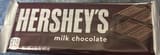 Milk Chocolate Hershey's · 1.55 oz (43 g) Score 22 out of 100 Poor
 -
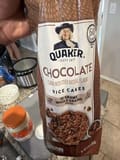 Chocolate Rice Cakes Quaker · 205 g Score 10 out of 100 Bad
 -
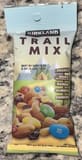 Trail Mix Kirkland Signature · 57 g (2 oz) Score 19 out of 100 Bad
 -
 Trail Mix Kirkland · 1.81 kg Score 24 out of 100 Poor
 -
 Reese's 2 Peanut Butter Cups Reese's · 2 pieces, 1.5 oz (42 g) Score 4 out of 100 Bad
 -
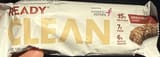 Clean Ready · 1.83 oz (52 g) Score 11 out of 100 Bad
 -
 Pure Protein Chocolate Deluxe Pure Protein · 50 g Score 22 out of 100 Poor
 -
 Snickers Snickers · 1.86 oz Score 5 out of 100 Bad
 -
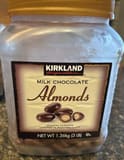 Milk Chocolate Almonds Kirkland Signature · 1.36 kg (3 lb) Score 4 out of 100 Bad
 -
 bueno Crispy Creamy Chocolate Bar Kinder · 1.5 oz Score 19 out of 100 Bad
 -
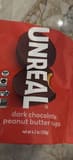 Dark Chocolate Peanut Butter Cups Unreal · 4.2 oz Score 16 out of 100 Bad
 -
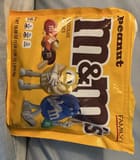 Peanut M&Ms Mars · 512.6 g Score 0 out of 100 Bad
Diets and allergens
- Vegan
- No
- Vegetarian
- Yes
- Gluten-free
- Yes
- Allergen
- Milk
For the ingredient in general. Always check the package: a product’s own labels win.
Names GoodSwap recognizes on labels (8)
- milk chocolate
- milk chocolate chips
- milk chocolate chunks
- milk chocolate pieces
- milk chocolate coating
- milk chocolate ingredient
- milk chocolate compound coating
- milk chocolate flavored coating
Sources
-
Guideline: sugars intake for adults and children
“In both adults and children, WHO recommends reducing the intake of free sugars to less than 10% of total energy intake”
who.int