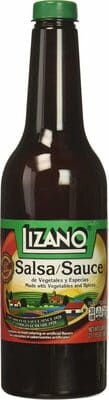
Sauces
Lizano Sauce made with Vegetables and Spices
21.1 fl oz (625 mL)
Score
- Ultra-processed
- High in salt
- Contains added sugars
Why it scores 15
Lizano Sauce made with Vegetables and Spices scores 15 out of 100 (Bad) under GoodSwap’s published rules. What moved the score most:
- minus 20 points Sugar: An added sugar. Strong
- minus 20 points Molasses: An added sugar. Strong
- minus 18 points Ultra-processed (NOVA 4): Classified NOVA 4: made with industrial ingredients and additives. Strong
Every line of the math is on The Receipt below, with its evidence tier and sources.
Better marinades and cooking sauces
-
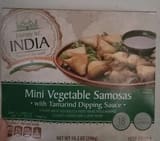 Mini Vegetable Samosas with Tamarind Dipping Sauce Journey To India · 290 g Less salt · No molasses Score 53 out of 100 , 38 points higher
 -
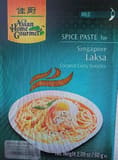 Spice paste for Singapore laksa Asian Home Gourmet · 60 g Not ultra-processed · No molasses Score 54 out of 100 , 39 points higher
 -
 Country Vegetable Healthy Choice · 14 oz Less salt · No molasses Score 47 out of 100 , 32 points higher
 -
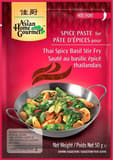 Spice paste for thai spicy basil stir fry Asian Home Gourmet · 50 g No molasses · No sodium benzoate Score 44 out of 100 , 29 points higher
The same kind of product, at least 10 points higher, sold in the US. Never paid placements.
The Receipt
Sauce made with Vegetables and Spices
Ingredients
- Sugar minus 20 points
- Molasses minus 20 points
- Sodium benzoate minus 7.5 points
- Modified starch minus 1.5 points
- Hydrolyzed vegetable protein minus 1 points
Processing
- Ultra-processed (NOVA 4) minus 18 points
- 3 kinds of ultra-processing markers minus 3 points
Nutrition per 100 g
- Sugars 13.3 g / 100 g minus 5 points
- Salt 5.3 g / 100 g minus 9 points
100 − 85 = 15
Can’t score above 79. Contains sugar, an ingredient of high concern. [1][2][3]
Can’t score above 79. High in salt (above the front-of-pack "high" level). [9]
Nutrition per 100 g
| Energy | 100 kcal |
|---|---|
| Fat | 0 g |
| Saturated fat | 0 g |
| Carbohydrates | 20 g |
| Sugars | 13.3 g |
| Added sugars | 13.3 g |
| Protein | 0 g |
| Salt | 5.3 g |
Serving: 1 tbsp (15 mL)
Ingredients
- WATER
- SUGAR (high concern)
- IODIZED SALT (SALT, POTASSIUM IODIDE)
- MIXED VEGETABLE PASTE CARROT PASTE
- ONION PASTE CAULIFLOWER PASTE CUCUMBER PASTE
- SALT
- ACETIC ACID
- SODIUM BENZOATE (moderate concern)
- MOLASSES (high concern)
- MODIFIED CORN STARCH
- ACETIC ACID
- SPICES MUSTARD FLOUR
- RED CHILI PEPPER
- GARLIC POWDER
- HYDROLYZED CORN PROTEIN
- SALT
- SODIUM BENZOATE (moderate concern)
- PAPRIKA
- TURMERIC
- MALTODEXTRIN
- CELERY POWDER
Label text, as published
WATER, SUGAR, IODIZED SALT (SALT, POTASSIUM IODIDE), MIXED VEGETABLE PASTE CARROT PASTE, ONION PASTE CAULIFLOWER PASTE CUCUMBER PASTE, SALT, ACETIC ACID, SODIUM BENZOATE, MOLASSES, MODIFIED CORN STARCH, ACETIC ACID, SPICES MUSTARD FLOUR, RED CHILI PEPPER, GARLIC POWDER, HYDROLYZED CORN PROTEIN, SALT, SODIUM BENZOATE, PAPRIKA, TURMERIC, MALTODEXTRIN, CELERY POWDER.
Allergens and diets
Contains: Mustard, Celery
- Vegan
- Vegetarian
- Palm-oil-free
Always check the package: recipes change.
Packaging
Plastic
Context only: no points in v1.
More sauces on GoodSwap
-
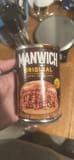 Original Sloppy Joe Sauce Manwich · 15 oz Ultra-processedContains added sugars Score 43 out of 100 Okay
 -
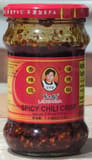 Spicy Chili Crisp Laoganma · 7.41 oz Ultra-processedHigh in saltHigh in saturated fatContains added sugars Score 26 out of 100 Poor
 -
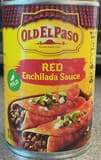 Red Enchilada Sauce Old El Paso · 10 oz Ultra-processedContains added sugarsNo synthetic dyes Score 46 out of 100 Okay
 -
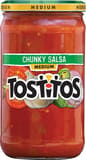 Chunky Salsa Medium Tostitos · 24 oz Ultra-processedHigh in saltNo additives Score 75 out of 100 Good
 -
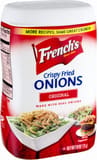 Crispy Fried Onions French's · 2.8 oz/79 g Ultra-processedHigh in saltHigh in saturated fatContains added sugars Score 40 out of 100 Okay
 -
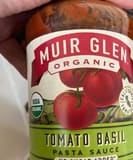 Tomato Basil Pasta Sauce Muir Glen · 23.5 oz Certified organicSeed-oil free Score 100 out of 100 Excellent
Sources
-
Guideline: sugars intake for adults and children
“In both adults and children, WHO recommends reducing the intake of free sugars to less than 10% of total energy intake”
who.int
-
Dietary Guidelines for Americans, 2025–2030
“Limit foods and beverages that include artificial flavors, petroleum-based dyes, artificial preservatives, and low-calorie non-nutritive sweeteners.”
cdn.realfood.gov
-
Added and free sugars should be as low as possible
“Sugar consumption is a known cause of dental caries.”
efsa.europa.eu
-
“Artificial colours or a sodium benzoate preservative (or both) in the diet result in increased hyperactivity in 3-year-old and 8/9-year-old children in the general population.”
doi.org
-
Re-evaluation of benzyl alcohol (E 1519) as food additive (records the 2016 benzoate re-evaluation)
“derived a group ADI of 5 mg/kg bw per day (expressed as benzoic acid) in accordance with the ADI previously derived by SCF and JECFA”
doi.org
-
“For adults, WHO recommends less than 2000 mg/day of sodium (equivalent to less than 5 g/day salt), or just under a teaspoon.”
who.int
-
“Table 3: Criteria for drinks (per 100ml)”
assets.publishing.service.gov.uk
-
“Greater exposure to ultra-processed food was associated with a higher risk of adverse health outcomes, especially cardiometabolic, common mental disorder, and mortality outcomes.”
doi.org