Pasta dishes
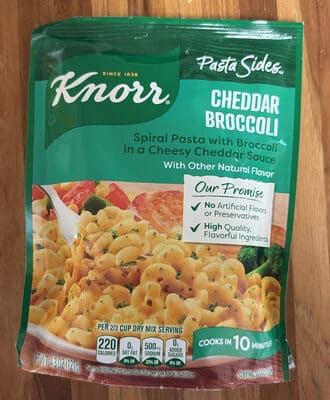
Knorr CHEDDAR BROCCOLI Spiral Pasta with Broccoli in a Cheesy Cheddar Sauce
65 g
Score
- Ultra-processed
- High in salt
- Seed-oil free
- No synthetic dyes
Why it scores 60
Knorr CHEDDAR BROCCOLI Spiral Pasta with Broccoli in a Cheesy Cheddar Sauce scores 60 out of 100 (Good) under GoodSwap’s published rules. What moved the score most:
- minus 18 points Ultra-processed (NOVA 4): Classified NOVA 4: made with industrial ingredients and additives. Strong
- minus 6 points 5 kinds of ultra-processing markers: Industrial additive classes found: color (added), flavor enhancer, flavoring, industrial protein and industrial sugar or starch hydrolysate. Emerging
- minus 5 points Salt 1.6 g / 100 g: High in salt. Strong
Every line of the math is on The Receipt below, with its evidence tier and sources.
The Receipt
CHEDDAR BROCCOLI Spiral Pasta with Broccoli in a Cheesy Cheddar Sauce
Ingredients
- Maltodextrin minus 2.5 points
- Yeast extract minus 2.5 points
- Whey protein concentrate / isolate minus 2.5 points
- Natural flavors minus 1.5 points
- Disodium inosinate minus 1.5 points
- Disodium guanylate minus 1.5 points
Processing
- Ultra-processed (NOVA 4) minus 18 points
- 5 kinds of ultra-processing markers minus 6 points
Nutrition per 100 g
- Salt 1.6 g / 100 g minus 5 points
- Energy 259 kcal / 100 g minus 1 points
- Protein 8.2 g / 100 g plus 2 points
100 − 40 = 60
Can’t score above 79. High in salt (above the front-of-pack "high" level). [5]
Nutrition per 100 g
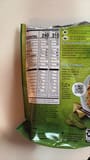
| Energy | 259 kcal |
|---|---|
| Fat | 1.8 g |
| Saturated fat | 0 g |
| Trans fat | 0 g |
| Carbohydrates | 54.1 g |
| Sugars | 2.4 g |
| Added sugars | 0 g |
| Fiber | 2.4 g |
| Protein | 8.2 g |
| Salt | 1.6 g |
Serving: 1 serving (60 g)
Ingredients
- PASTA (DURUM FLOUR, WHEAT FLOUR)
- MALTODEXTRIN
- CORN STARCH
- SALT
- YEAST EXTRACT
- WHEY PROTEIN CONCENTRATE
- BROCCOLI
- ONION POWDER
- WHEY
- POTASSIUM CHLORIDE
- CHEDDAR CHEESE (PASTEURIZED MILK, CHEESE CULTURES, SALT, ENZYMES)
- SODIUM CITRATE
- ASIAGO CHEESE (PASTEURIZED MILK, CHEESE CULTURES, SALT, ENZYMES)
- NATURAL FLAVORS
- LACTIC ACID
- OLIVE OIL
- DISODIUM INOSINATE
- DISODIUM GUANYLATE
- PARSLEY
- ANNATTO EXTRACT (FOR COLOR)
- VITAMINS AND MINERALS: NIACIN
- FERROUS SULFATE (IRON)
- THIAMIN MONONITRATE (VITAMIN B1)
- RIBOFLAVIN (VITAMIN B2)
- FOLIC ACID
Label text, as published
PASTA (DURUM FLOUR, WHEAT FLOUR), MALTODEXTRIN, CORN STARCH, LESS THAN 2% OF: SALT, YEAST EXTRACT, WHEY PROTEIN CONCENTRATE, BROCCOLI, ONION POWDER, WHEY, POTASSIUM CHLORIDE, CHEDDAR CHEESE (PASTEURIZED MILK, CHEESE CULTURES, SALT, ENZYMES), SODIUM CITRATE, ASIAGO CHEESE (PASTEURIZED MILK, CHEESE CULTURES, SALT, ENZYMES), NATURAL FLAVORS, LACTIC ACID, OLIVE OIL, DISODIUM INOSINATE, DISODIUM GUANYLATE, PARSLEY, ANNATTO EXTRACT (FOR COLOR), VITAMINS AND MINERALS: NIACIN, FERROUS SULFATE (IRON), THIAMIN MONONITRATE (VITAMIN B1), RIBOFLAVIN (VITAMIN B2), FOLIC ACID
Allergens and diets
Contains: Milk, Soy, Wheat, Gluten
- Not vegan
- Not gluten-free
- Palm-oil-free
Always check the package: recipes change.
More pasta dishes on GoodSwap
-
 mac & cheese DELUXE ORIGINAL CHEDDAR Kraft · 14 oz High in saltContains seed oilsNo synthetic dyes Score 71 out of 100 Good
 -
 Grilled Chicken Pesto With Vegetables Healthy Choice · 9.9 oz Ultra-processedContains added sugarsContains emulsifiers studied for gut effectsContains seed oils Score 20 out of 100 Poor
 -
 Mac & Cheese Kraft · 8.2 oz/232 g Ultra-processedHigh in saltContains added sugarsContains emulsifiers studied for gut effects Score 28 out of 100 Poor
 -
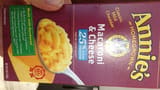 Annie's 25% Less Sodium Mac & Cheese Made with Organic Pasta Annie's · 6 oz (170 g) Ultra-processedCertified organicSeed-oil freeNo synthetic dyes Score 72 out of 100 Good
 -
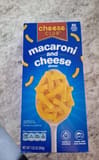 Macaroni and Cheese Dinner Cheese Club · 206 g Ultra-processedContains seed oilsNo synthetic dyes Score 67 out of 100 Good
 -
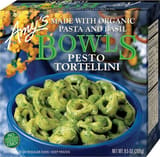 Pesto Tortellini Amy's · 9.5 oz/269 g Ultra-processedSeed-oil free Score 73 out of 100 Good
More from Knorr
-
 Chicken Flavor Bouillon Knorr · 32 oz Score 21 out of 100 Poor
 -
 Caldo con sabor de pollo Knorr Score 30 out of 100 Poor
 -
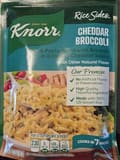 CHEDDAR BROCCOLI Rice & Pasta Blend with Broccoli in a Cheesy Cheddar Sauce Knorr · 5.7 oz (161 g) Score 41 out of 100 Okay
 -
 Chicken Flavor Fried Rice Knorr · 65 g Score 39 out of 100 Poor
Sources
-
21 CFR 101.22 Foods; labeling of spices, flavorings, colorings and chemical preservatives
“whose significant function in food is flavoring rather than nutritional.”
ecfr.gov
-
“For adults, WHO recommends less than 2000 mg/day of sodium (equivalent to less than 5 g/day salt), or just under a teaspoon.”
who.int
-
Dietary Guidelines for Americans, 2025–2030
“Limit foods and beverages that include artificial flavors, petroleum-based dyes, artificial preservatives, and low-calorie non-nutritive sweeteners.”
cdn.realfood.gov
-
“Table 3: Criteria for drinks (per 100ml)”
assets.publishing.service.gov.uk
-
“Greater exposure to ultra-processed food was associated with a higher risk of adverse health outcomes, especially cardiometabolic, common mental disorder, and mortality outcomes.”
doi.org