Food
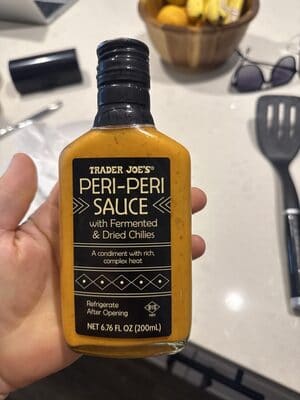
Trader Joe's Peri-Peri Sauce
Score
- Ultra-processed
Why it scores 79
Trader Joe's Peri-Peri Sauce scores 79 out of 100 (Good) under GoodSwap’s published rules. What moved the score most:
- minus 18 points Ultra-processed (NOVA 4): Classified NOVA 4: made with industrial ingredients and additives. Strong
- minus 2.5 points Xanthan gum: An ingredient class typical of ultra-processed foods (NOVA group 4). Info
Capped at 79: No nutrition facts on file, so we can't confirm excellent.
Every line of the math is on The Receipt below, with its evidence tier and sources.
Better hot sauce
-
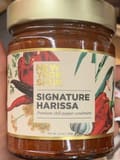 Signature Harissa New York Shuk · 10 oz Not ultra-processed · No xanthan gum Score 100 out of 100 , 21 points higher
 -
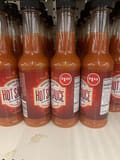 Original Recipe Hot Sauce with Cayenne Peppers, Original Recipe Pantry Basix · 10 fl oz/296 mL Not ultra-processed Score 98 out of 100 , 19 points higher
 -
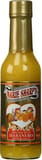 Marie sharps orange pulp habanero hot sauce Melinda's Limited · 5 oz Not ultra-processed · No xanthan gum Score 100 out of 100 , 21 points higher
 -
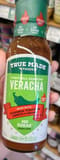 Vegetable sriracha veracha imp True Made Foods · 255 Not ultra-processed · No xanthan gum Score 98 out of 100 , 19 points higher
 -
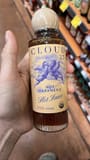 Organic Hot Sauce Cloud 23 Not ultra-processed · No xanthan gum Score 100 out of 100 , 21 points higher
The same kind of product, at least 10 points higher, sold in the US. Never paid placements.
The Receipt
Peri-Peri Sauce
Ingredients
- Xanthan gum minus 2.5 points
Processing
- Ultra-processed (NOVA 4) minus 18 points
Nutrition
- Nutrition facts unavailable no points
100 − 20.5 = 79.5 → 80 → capped at 79
Capped at 79. No nutrition facts on file, so we can't confirm excellent.
Ingredients
Label text, as published
LEMON JUICE, WATER, FERMENTED CHILIES (CHILIES, SALT) SUNFLOWER OIL, GARLIC, SALT, DRIED CHILI FLAKES, XANTHAN GUM
Allergens and diets
- Vegan
- Vegetarian
- Gluten-free
- Palm-oil-free
Always check the package: recipes change.
More from Trader Joe's
-
 Cracked Wheat Sourdough Bread Trader Joe's · 24 oz Score 86 out of 100 Excellent
 -
 Vanilla Almond Granola Trader Joe's · 16 oz Score 22 out of 100 Poor
 -
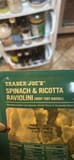 Spinach & Ricotta Raviolini (Very Tiny Ravioli) Trader Joe's · 10 oz Score 25 out of 100 Poor
 -
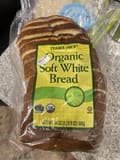 Organic Soft White Bread Trader Joe's · 24 oz Score 49 out of 100 Okay
Sources
-
“Greater exposure to ultra-processed food was associated with a higher risk of adverse health outcomes, especially cardiometabolic, common mental disorder, and mortality outcomes.”
doi.org