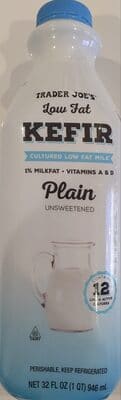
Kefir 1 %
Trader Joe's Low Fat Kefir Plain Unsweetened
Score
- Ultra-processed
Why it scores 68
Trader Joe's Low Fat Kefir Plain Unsweetened scores 68 out of 100 (Good) under GoodSwap’s published rules. What moved the score most:
- minus 18 points Ultra-processed (NOVA 4): Classified NOVA 4: made with industrial ingredients and additives. Strong
- minus 9 points Sugars 3.3 g / 100 ml: High in sugar. Strong
- minus 3 points Energy 38 kcal / 100 ml: Energy-dense for its volume. Info
Every line of the math is on The Receipt below, with its evidence tier and sources.
Better kefir and yogurt drinks
-
 Organic plain aussie kefir cultured low fat milk Wallaby Organic · 32 fl oz/1 Quart/946 mL Not ultra-processed · No pectin Score 100 out of 100 , 32 points higher
 -
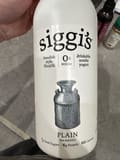 Siggi's plain drinkable yogurt Siggi's · 32 fl oz/1 Quart/946 mL Not ultra-processed · No pectin Score 100 out of 100 , 32 points higher
 -
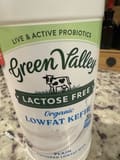 Organic Kefir Lowfat Plain Green Valley · 32 fl oz/946 mL Not ultra-processed · No pectin Score 100 out of 100 , 32 points higher
 -
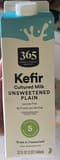 Kefir Cultured Milk Plain 365 Whole Foods Market Not ultra-processed · No pectin Score 100 out of 100 , 32 points higher
 -
 Kefir Plain Shoprite · 32 fl oz/1 Quart/946 mL Not ultra-processed Score 98 out of 100 , 30 points higher
The same kind of product, at least 10 points higher, sold in the US. Never paid placements.
The Receipt
Low Fat Kefir Plain Unsweetened
Ingredients
- Pectin minus 2.5 points
Processing
- Ultra-processed (NOVA 4) minus 18 points
Nutrition per 100 ml
- Sugars 3.3 g / 100 ml minus 9 points
- Energy 38 kcal / 100 ml minus 3 points
100 − 32.5 = 67.5 → 68
Nutrition per 100 ml
| Energy | 38 kcal |
|---|---|
| Fat | 0.8 g |
| Saturated fat | 0.6 g |
| Carbohydrates | 3.8 g |
| Sugars | 3.3 g |
| Protein | 3.8 g |
| Salt | 0.1 g |
Serving: 240 ml (240 ml)
Ingredients
- PASTEURIZED GRADE A CULTURED LOWFAT MILK
- PECTIN
- PASTEURIZED GRADE A CULTURED NONFAT MILK
- VITAMIN A PALMITATE
- VITAMIN D3
- LIVE AND ACTIVE CULTURES (L. casei, B. lactis, B. breve, B. longum, L. rhamnosus, L. acidophilus, S. diacetylactis, S. florentinus, L. plantarum, L. cremoris, L. lactis, L. reuteri)
Label text, as published
PASTEURIZED GRADE A CULTURED LOWFAT MILK, PECTIN, PASTEURIZED GRADE A CULTURED NONFAT MILK, VITAMIN A PALMITATE, VITAMIN D3, LIVE AND ACTIVE CULTURES (L. casei, B. lactis, B. breve, B. longum, L. rhamnosus, L. acidophilus, S. diacetylactis, S. florentinus, L. plantarum, L. cremoris, L. lactis, L. reuteri)
Allergens and diets
Contains: Milk
- Not vegan
Always check the package: recipes change.
More kefir 1 % on GoodSwap
More from Trader Joe's
Sources
-
Guideline: sugars intake for adults and children
“In both adults and children, WHO recommends reducing the intake of free sugars to less than 10% of total energy intake”
who.int
-
Dietary Guidelines for Americans, 2025–2030
“Limit foods and beverages that include artificial flavors, petroleum-based dyes, artificial preservatives, and low-calorie non-nutritive sweeteners.”
cdn.realfood.gov
-
“Greater exposure to ultra-processed food was associated with a higher risk of adverse health outcomes, especially cardiometabolic, common mental disorder, and mortality outcomes.”
doi.org