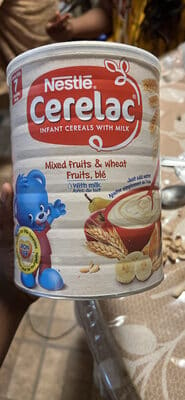
Cereals for babies
Nestlé Cerelac Infant Cereals With Milk Mixed fruits & wheat
Score
- Ultra-processed
- High in sugar
- Contains seed oils
- Contains artificial flavors
Why it scores 51
Nestlé Cerelac Infant Cereals With Milk Mixed fruits & wheat scores 51 out of 100 (Okay) under GoodSwap’s published rules. What moved the score most:
- minus 18 points Ultra-processed (NOVA 4): Classified NOVA 4: made with industrial ingredients and additives. Strong
- minus 14 points Sugars 28.4 g / 100 g: Very high in sugar. Strong
- minus 3 points 3 kinds of ultra-processing markers: Industrial additive classes found: emulsifier, flavoring and industrial sugar or starch hydrolysate. Emerging
Every line of the math is on The Receipt below, with its evidence tier and sources.
Better baby food purees and pouches
-
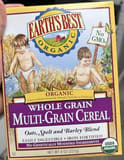 Whoel Grain Multi-Grain Cereal Earth's Best · 8 oz Not ultra-processed · Less sugar Score 96 out of 100 , 45 points higher
 -
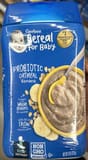 Probiotic Oatmeal Banana Baby Cereal Gerber · 8 oz Not ultra-processed · Less sugar Score 95 out of 100 , 44 points higher
 -
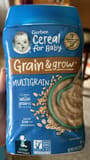 Cereal for Baby Gerber · 8 oz Not ultra-processed · Less sugar Score 89 out of 100 , 38 points higher
 -
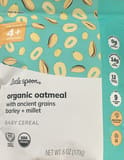 Organic Oatmeal Little Spoon · 6 oz Not ultra-processed · Less sugar Score 100 out of 100 , 49 points higher
 -
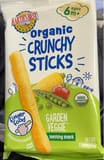 Crunchy Sticks Earth's Best Not ultra-processed · Less sugar Score 91 out of 100 , 40 points higher
The same kind of product, at least 10 points higher, sold in the US. Never paid placements.
The Receipt
Cerelac Infant Cereals With Milk Mixed fruits & wheat
Ingredients
- Maltodextrin minus 2.5 points
- Sunflower lecithin minus 2.5 points
- Vegetable oil (unspecified) minus 2.5 points
- Canola oil minus 1.5 points
- Sunflower oil minus 1.5 points
- Artificial flavors minus 1.5 points
Processing
- Ultra-processed (NOVA 4) minus 18 points
- 3 kinds of ultra-processing markers minus 3 points
Nutrition per 100 g
- Sugars 28.4 g / 100 g minus 14 points
- Energy 419 kcal / 100 g minus 2 points
100 − 49 = 51
Can’t score above 79. High in sugars (above the front-of-pack "high" level). [9]
Nutrition per 100 g
| Energy | 419 kcal |
|---|---|
| Fat | 10 g |
| Carbohydrates | 64.7 g |
| Sugars | 28.4 g |
| Added sugars | 0 g |
| Protein | 15 g |
| Salt | 0.3 g |
Ingredients
- Cereals 50% (WHEAT flour, Hydrolysed WHEAT flour) (not recognized)
- Skimmed MILK powder 24%
- Dried fruits 11% (Banana 6.5%, Orange 3%, Apple 1.1%, Pear 0.75%, Corn starch, Maltodextrin, Emulsifier: Sunflower lecithin)
- Vegetable oils (Rapeseed, Sunflower)
- Semolina (WHEAT) 4%
- Minerals (Calcium carbonate, Ferrous fumarate, Zinc sulphate, Potassium iodide)
- Vitamins (C, Niacin, E, Thiamin (B1), Pantothenic acid, A, B6, K, Folic acid, Biotin, D)
- Flavouring (Vanillin)
- Antioxidants (Tocopherol-rich extract, Ascorbyl palmitate) (not recognized)
Label text, as published
Cereals 50% (WHEAT flour, Hydrolysed WHEAT flour), Skimmed MILK powder 24%, Dried fruits 11% (Banana 6.5%, Orange 3%, Apple 1.1%, Pear 0.75%, Corn starch, Maltodextrin, Emulsifier: Sunflower lecithin), Vegetable oils (Rapeseed, Sunflower), Semolina (WHEAT) 4%, Minerals (Calcium carbonate, Ferrous fumarate, Zinc sulphate, Potassium iodide), Vitamins (C, Niacin, E, Thiamin (B1), Pantothenic acid, A, B6, K, Folic acid, Biotin, D), Flavouring (Vanillin), Antioxidants (Tocopherol-rich extract, Ascorbyl palmitate).
Allergens and diets
Contains: Milk, Wheat, Gluten
- Not vegan
- Not gluten-free
Always check the package: recipes change.
More from Nestlé

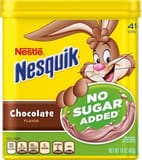
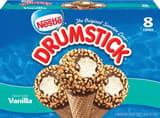

Sources
-
“replacement of saturated fat in the diet with linoleic acid effectively lowers serum cholesterol but does not support the hypothesis that this translates to a lower risk of death from coronary heart disease or all causes.”
doi.org
-
“These data provide support for current recommendations to replace saturated fat with polyunsaturated fat for primary prevention of CHD.”
doi.org
-
Dietary Guidelines for Americans, 2025–2030
“Limit foods and beverages that include artificial flavors, petroleum-based dyes, artificial preservatives, and low-calorie non-nutritive sweeteners.”
cdn.realfood.gov
-
Guideline: sugars intake for adults and children
“In both adults and children, WHO recommends reducing the intake of free sugars to less than 10% of total energy intake”
who.int
-
“Table 3: Criteria for drinks (per 100ml)”
assets.publishing.service.gov.uk
-
“Greater exposure to ultra-processed food was associated with a higher risk of adverse health outcomes, especially cardiometabolic, common mental disorder, and mortality outcomes.”
doi.org