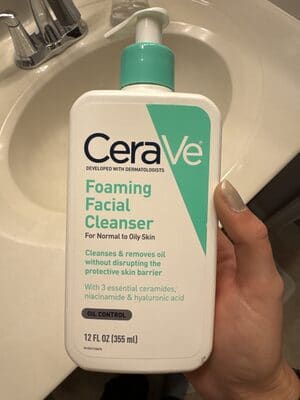
Skincare
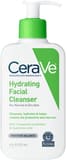
CeraVe
355 mL
Score
- Contains parabens
- May contain traces of 1,4-dioxane
Why it scores 92
CeraVe scores 92 out of 100 (Excellent) under GoodSwap’s published rules. What moved the score most:
- minus 5 points Propylparaben: The EU limits propyl- and butylparaben (0.14% combined) and bans them in leave-on nappy-area products for children under 3 because a risk could not be excluded. Regulatory
- minus 1 points Cocamidopropyl betaine: Rare contact allergy has been traced to manufacturing impurities (dimethylaminopropylamine, cocamidopropyl dimethylamine). Strong
- minus 1 points Polyethylene glycols (PEG) and ethoxylates: Ingredients named with PEG, -eth- or -oxynol- can carry trace 1,4-dioxane from manufacturing (IARC Group 2B). Strong
Every line of the math is on The Receipt below, with its evidence tier and sources.
The Receipt
CeraVe
Ingredients
- Propylparaben minus 5 points
- Cocamidopropyl betaine minus 1 points
- Polyethylene glycols (PEG) and ethoxylates minus 1 points
- Propylene glycol minus 0.5 points
- Methylparaben minus 0.5 points
100 − 8 = 92
Ingredients
- AQUA/WATER/EAU
- COCAMIDOPROPYL HYDROXYSULTAINE
- GLYCERIN
- SODIUM LAUROYL SARCOSINATE
- PEG-150 PENTAERYTHRITYL TETRASTEARATE
- NIACINAMIDE
- PEG-6 CAPRYLIC/CAPRIC GLYCERIDES
- SODIUM METHYL COCOYL TAURATE
- PROPYLENE GLYCOL
- CERAMIDE NP
- CERAMIDE AP
- CERAMIDE EOP
- CARBOMER
- METHYLPARABEN
- SODIUM CHLORIDE
- SODIUM LAUROYL LACTYLATE
- CHOLESTEROL
- DISODIUM EDTA
- PROPYLPARABEN (moderate concern)
- CITRIC ACID
- TETRASODIUM EDTA
- HYDROLYZED HYALURONIC ACID
- PHYTOSPHINGOSINE
- XANTHAN GUM
Label text, as published
AQUA/WATER/EAU, COCAMIDOPROPYL HYDROXYSULTAINE, GLYCERIN, SODIUM LAUROYL SARCOSINATE, PEG-150 PENTAERYTHRITYL TETRASTEARATE, NIACINAMIDE, PEG-6 CAPRYLIC/CAPRIC GLYCERIDES, SODIUM METHYL COCOYL TAURATE, PROPYLENE GLYCOL, CERAMIDE NP, CERAMIDE AP, CERAMIDE EOP, CARBOMER, METHYLPARABEN, SODIUM CHLORIDE, SODIUM LAUROYL LACTYLATE, CHOLESTEROL, DISODIUM EDTA, PROPYLPARABEN, CITRIC ACID, TETRASODIUM EDTA, HYDROLYZED HYALURONIC ACID, PHYTOSPHINGOSINE, XANTHAN GUM
Allergens and diets
- Palm-oil-free
Always check the package: recipes change.
More from CeraVe
Sources
-
“butylparaben and propylparaben should be prohibited in leave-on cosmetic products designed for application on the nappy area of children below three years.”
eur-lex.europa.eu
-
Occupational contact allergy to cocamidopropyl betaine and its impurities
“Contact allergy to cocamidopropyl betaine has been attributed to its impurities dimethylaminopropylamine and cocamidopropyl dimethylamine.”
doi.org
-
1,4-Dioxane in Cosmetics: A Manufacturing Byproduct
“1,4-dioxane forms as a byproduct during the manufacturing process of certain cosmetic ingredients.”
fda.gov
-
Agents Classified by the IARC Monographs, Volumes 1–142 (List of Classifications)
monographs.iarc.who.int
-
“Allergic and irritant contact dermatitis and systemic cutaneous reactions to PG, which has become an increasingly common ingredient, have been documented.”
doi.org
-
“for these compounds, the human risk cannot be evaluated.”
eur-lex.europa.eu
-
California AB 2762 (2020), Toxic-Free Cosmetics Act (Health and Safety Code §108980)
“Commencing January 1, 2025, no person or entity shall manufacture, sell, deliver, hold, or offer for sale, in commerce any cosmetic product that contains any of the following intentionally added ingredients”
leginfo.legislature.ca.gov