Soda
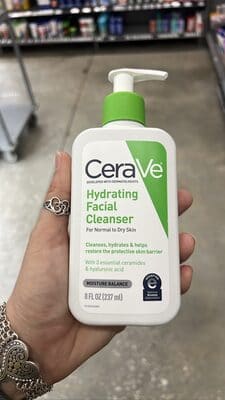
CeraVe Hydrating Facial Cleanser
Score
- May contain traces of 1,4-dioxane
- Contains quaternary ammonium compounds
Why it scores 96
CeraVe Hydrating Facial Cleanser scores 96 out of 100 (Excellent) under GoodSwap’s published rules. What moved the score most:
- minus 1 points Polyethylene glycols (PEG) and ethoxylates: Ingredients named with PEG, -eth- or -oxynol- can carry trace 1,4-dioxane from manufacturing (IARC Group 2B). Strong
- minus 1 points Potassium phosphate: EFSA (2019) set a group ADI for phosphates of 40 mg/kg body weight (as phosphorus) and noted that infants, toddlers and children may exceed it. Strong
- minus 1 points Behentrimonium chloride: A 2023 review describes quaternary ammonium compounds as a class of emerging concern. Emerging
Every line of the math is on The Receipt below, with its evidence tier and sources.
The Receipt
Hydrating Facial Cleanser
Ingredients
- Polyethylene glycols (PEG) and ethoxylates minus 1 points
- Potassium phosphate minus 1 points
- Behentrimonium chloride minus 1 points
- Phenoxyethanol minus 0.5 points
- Polysorbates (cosmetic) minus 0.5 points
100 − 4 = 96
Ingredients
- Aqua/Water/Eau
- Glycerin
- Cetearyl Alcohol
- PEG-40 Stearate
- Stearyl Alcohol
- Potassium Phosphate
- Ceramide NP
- Ceramide AP
- Ceramide EOP
- Carbomer
- Glyceryl Stearate
- Behentrimonium Methosulfate
- Sodium Lauroyl Lactylate
- Sodium Hyaluronate
- Cholesterol
- Phenoxyethanol
- Disodium EDTA
- Dipotassium Phosphate
- Tocopherol
- Phytosphingosine
- Xanthan Gum
- Cetyl Alcohol
- Polysorbate 20
- Ethylhexylglycerin
Label text, as published
Aqua/Water/Eau, Glycerin, Cetearyl Alcohol, PEG-40 Stearate, Stearyl Alcohol, Potassium Phosphate, Ceramide NP, Ceramide AP, Ceramide EOP, Carbomer, Glyceryl Stearate, Behentrimonium Methosulfate, Sodium Lauroyl Lactylate, Sodium Hyaluronate, Cholesterol, Phenoxyethanol, Disodium EDTA, Dipotassium Phosphate, Tocopherol, Phytosphingosine, Xanthan Gum, Cetyl Alcohol, Polysorbate 20, Ethylhexylglycerin
Allergens and diets
- Palm-oil-free
Always check the package: recipes change.
More from CeraVe
Sources
-
1,4-Dioxane in Cosmetics: A Manufacturing Byproduct
“1,4-dioxane forms as a byproduct during the manufacturing process of certain cosmetic ingredients.”
fda.gov
-
Agents Classified by the IARC Monographs, Volumes 1–142 (List of Classifications)
monographs.iarc.who.int
-
EFSA issues new advice on phosphates
“We estimated that dietary exposure to phosphates may exceed the new ADI for infants, toddlers and children with average consumption of phosphates in their diet.”
efsa.europa.eu
-
Quaternary Ammonium Compounds: A Chemical Class of Emerging Concern
“Suspected or known adverse health outcomes include dermal and respiratory effects, developmental and reproductive toxicity, disruption of metabolic function such as lipid homeostasis, and impairment of mitochondrial function.”
doi.org
-
Regulation (EC) No 1223/2009 of 30 November 2009 on cosmetic products
“cosmetic products shall not contain any of the following: (a) prohibited substances — prohibited substances listed in Annex II”
eur-lex.europa.eu