Beauty & personal care
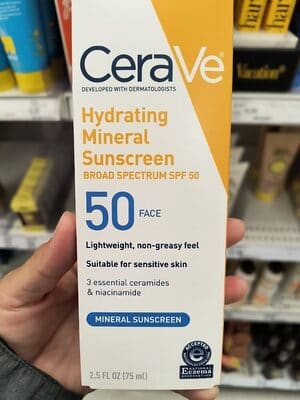
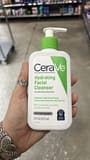
CeraVe Hydrating mineral sunscreen spf50
75 mL
Score
- Contains chemical UV filters
- May contain traces of 1,4-dioxane
Why it scores 96
CeraVe Hydrating mineral sunscreen spf50 scores 96 out of 100 (Excellent) under GoodSwap’s published rules. What moved the score most:
- minus 1 points Titanium dioxide (cosmetic, CI 77891): California lists airborne, unbound titanium dioxide particles of respirable size under Proposition 65 (cancer, 2011), relevant to loose powders and sprays. Regulatory
- minus 1 points Mineral oil and petrolatum: The EU prohibits petrolatum and mineral oils unless the full refining history is known and the source is not a carcinogen. Regulatory
- minus 1 points Polyethylene glycols (PEG) and ethoxylates: Ingredients named with PEG, -eth- or -oxynol- can carry trace 1,4-dioxane from manufacturing (IARC Group 2B). Strong
Every line of the math is on The Receipt below, with its evidence tier and sources.
The Receipt
Hydrating mineral sunscreen spf50
Ingredients
- Titanium dioxide (cosmetic, CI 77891) minus 1 points
- Mineral oil and petrolatum minus 1 points
- Polyethylene glycols (PEG) and ethoxylates minus 1 points
- Phenoxyethanol minus 0.5 points
- Chlorphenesin minus 0.5 points
- Polysorbates (cosmetic) minus 0.5 points
100 − 4.5 = 95.5 → 96
Ingredients
- Titanium dioxide 9%
- Zinc oxide 7%
- water
- glycerin
- C12-15 alkyl benzoate
- dimethicone
- isododecane
- styrene/acrylates copolymer
- glyceryl stearate
- butyloctyl salicylate
- dicaprylyl carbonate
- propanediol
- stearic acid
- aluminum hydroxide
- PEG-100 stearate
- sorbitan stearate
- niacinamide
- PEG-8 laurate
- ceramide NP
- ceramide AP
- ceramide EOP
- sorbitan isostearate
- carbomer
- cetearyl alcohol
- ceteareth-20
- triethoxycaprylylsilane
- dimethiconol
- sodium citrate
- sodium lauroyl lactylate
- sodium dodecylbenzenesulfonate
- myristic acid
- sodium hyaluronate
- cholesterol
- palmitic acid
- phenoxyethanol
- chlorphenesin
- tocopherol
- hydroxyethyl acrylate/sodium acryloyldimethyltaurate copolymer (not recognized)
- caprylyl glycol
- citric acid
- panthenol
- xanthan gum
- phytosphingosine
- polyhydroxystearic acid
- polysorbate 60
- ethylhexylglycerin
Label text, as published
Titanium dioxide 9%. Zinc oxide 7%, water, glycerin, C12-15 alkyl benzoate, dimethicone, isododecane, styrene/acrylates copolymer, glyceryl stearate, butyloctyl salicylate, dicaprylyl carbonate, propanediol, stearic acid, aluminum hydroxide, PEG-100 stearate, sorbitan stearate, niacinamide, PEG-8 laurate, ceramide NP, ceramide AP, ceramide EOP, sorbitan isostearate, carbomer, cetearyl alcohol, ceteareth-20, triethoxycaprylylsilane, dimethiconol, sodium citrate, sodium lauroyl lactylate, sodium dodecylbenzenesulfonate, myristic acid, sodium hyaluronate, cholesterol, palmitic acid, phenoxyethanol, chlorphenesin, tocopherol, hydroxyethyl acrylate/sodium acryloyldimethyltaurate copolymer, caprylyl glycol, citric acid, panthenol, xanthan gum, phytosphingosine, polyhydroxystearic acid, polysorbate 60, ethylhexylglycerin
Allergens and diets
- Palm-oil-free
Always check the package: recipes change.
More from CeraVe
Sources
-
Proposition 65 List of Chemicals Known to the State to Cause Cancer or Reproductive Toxicity
“The date refers to the initial appearance of the chemical on the list.”
oehha.ca.gov
-
Regulation (EC) No 1223/2009 of 30 November 2009 on cosmetic products
“cosmetic products shall not contain any of the following: (a) prohibited substances — prohibited substances listed in Annex II”
eur-lex.europa.eu
-
1,4-Dioxane in Cosmetics: A Manufacturing Byproduct
“1,4-dioxane forms as a byproduct during the manufacturing process of certain cosmetic ingredients.”
fda.gov
-
Agents Classified by the IARC Monographs, Volumes 1–142 (List of Classifications)
monographs.iarc.who.int
-
“Benzophenone-3 is not safe for the consumer when used as a UV filter up to the current maximum concentration of 6 % in sunscreen products”
eur-lex.europa.eu
-
“the use of Homosalate should be restricted to face products (non-spray and pump spray products) only, up to a maximum concentration of 7,34 %.”
eur-lex.europa.eu