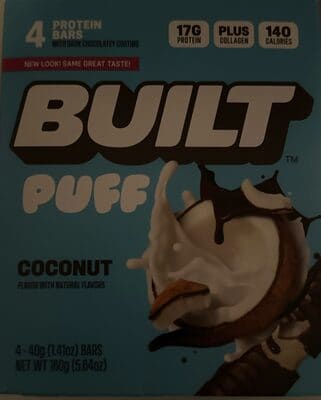
Protein bars
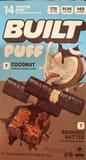
Built PUFF Coconut Flavor with Natural Flavors
160 g
Score
- Contains added sugars
- Contains palm oil
- Seed-oil free
Why it scores 84
Built PUFF Coconut Flavor with Natural Flavors scores 84 out of 100 (Excellent) under GoodSwap’s published rules. What moved the score most:
- minus 12 points Sugar: An added sugar. Strong
- minus 1 points Collagen: An ingredient typical of ultra-processed foods (NOVA group 4). Info
- minus 1 points Whey protein concentrate / isolate: An ingredient typical of ultra-processed foods (NOVA group 4). Info
Every line of the math is on The Receipt below, with its evidence tier and sources.
The Receipt
PUFF Coconut Flavor with Natural Flavors
Ingredients
- Sugar minus 12 points
- Collagen minus 1 points
- Whey protein concentrate / isolate minus 1 points
- Glycerin minus 0.5 points
- Palm oil minus 0.5 points
- Palm kernel oil minus 0.5 points
- Natural flavors minus 0.5 points
- Soy lecithin minus 0.5 points
100 − 16.5 = 83.5 → 84
Nutrition per 100 g
| Energy | 350 kcal |
|---|---|
| Fat | 7.5 g |
| Saturated fat | 5 g |
| Trans fat | 0 g |
| Carbohydrates | 32.5 g |
| Sugars | 15 g |
| Added sugars | 15 g |
| Fiber | 0 g |
| Protein | 42.5 g |
| Salt | 0.5 g |
Serving: 40g
Ingredients
- Premium collagen protein blend (partially hydrolyzed whey protein isolate, collagen)
- glycerin
- sugar (high concern)
- water
- palm oil
- palm kernel oil
- cocoa processed with alkali
- gelatin
- natural flavors
- cultured dextrose
- nonfat milk
- soy lecithin
Label text, as published
Premium collagen protein blend (partially hydrolyzed whey protein isolate, collagen), glycerin, sugar, water, palm oil, palm kernel oil, cocoa processed with alkali, gelatin, natural flavors, cultured dextrose, nonfat milk, soy lecithin.
Allergens and diets
Contains: Milk, Soy
- Not vegan
- Not vegetarian
- Not palm-oil-free
Always check the package: recipes change.
More protein bars on GoodSwap
-
 Blueberry RXBAR RXBAR · 52 g Ultra-processedHigh in sugarNo additives Score 64 out of 100 Good
 -
 Iq Bar 18 Protein Bar Variety Pack IQ Bar · 816 g Seed-oil free Score 97 out of 100 Excellent
 -
 Protein Bars RXBAR Score 99 out of 100 Excellent
 -
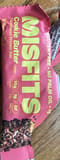 MISFITS Cookie Butter Flavored Protein Bar Misfits · 50 g Contains sugar alcoholsContains seed oils Score 96 out of 100 Excellent
 -
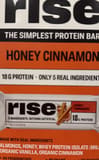 Almond Honey Rise Contains added sugars Score 87 out of 100 Excellent
 -
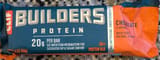 BUILDERS PROTEIN Bar Clif · 2.40 oz/68 g Ultra-processedHigh in sugarHigh in saturated fatContains added sugars Score 4 out of 100 Bad
More from Built
Sources
-
Guideline: sugars intake for adults and children
“In both adults and children, WHO recommends reducing the intake of free sugars to less than 10% of total energy intake”
who.int
-
Dietary Guidelines for Americans, 2025–2030
“Limit foods and beverages that include artificial flavors, petroleum-based dyes, artificial preservatives, and low-calorie non-nutritive sweeteners.”
cdn.realfood.gov
-
Added and free sugars should be as low as possible
“Sugar consumption is a known cause of dental caries.”
efsa.europa.eu
-
Saturated fatty acid and trans-fatty acid intake for adults and children: WHO guideline
“WHO recommends that adults and children reduce saturated fatty acid intake to 10% of total energy intake (strong recommendation).”
who.int
-
Process contaminants in vegetable oils and foods
“The highest levels of GE, as well as 3-MCPD and 2-MCPD (including esters) were found in palm oils and palm fats, followed by other oils and fats.”
efsa.europa.eu
-
“Glycidyl fatty acid esters, expressed as glycidol”
eur-lex.europa.eu
-
21 CFR 101.22 Foods; labeling of spices, flavorings, colorings and chemical preservatives
“whose significant function in food is flavoring rather than nutritional.”
ecfr.gov