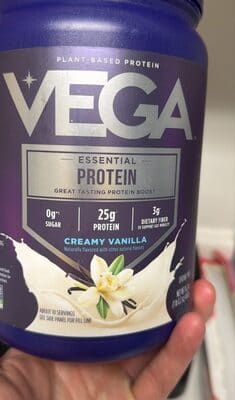
Beverages
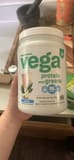
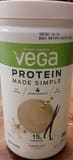
Vega Original Protein
16.2 oz/460 g
Score
- Ultra-processed
- High in salt
- Contains non-nutritive sweeteners
- Seed-oil free
Why it scores 59
Vega Original Protein scores 59 out of 100 (Okay) under GoodSwap’s published rules. What moved the score most:
- minus 18 points Ultra-processed (NOVA 4): Classified NOVA 4: made with industrial ingredients and additives. Strong
- minus 7 points Salt 2.2 g / 100 ml: Very high in salt. Strong
- minus 4.5 points 4 kinds of ultra-processing markers: Industrial additive classes found: flavoring, industrial protein, non-nutritive sweetener and thickener, stabilizer or gelling agent. Emerging
Every line of the math is on The Receipt below, with its evidence tier and sources.
Better protein powders
-
 Hemp Protein Powder Bob's Red Mill · 31 g Not ultra-processed · Less salt Score 100 out of 100 , 41 points higher
 -
 Organic Plant Protein Pea & Quinoa Protein Powder Better Body Foods · 12.7 oz/360 g Not ultra-processed · Less salt Score 100 out of 100 , 41 points higher
 -
 Collagen Peptides Vital Proteins · 24 oz Not ultra-processed · Less salt Score 100 out of 100 , 41 points higher
 -
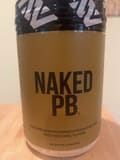 Naked PB Naked Nutrition · 24 oz Not ultra-processed · Less salt Score 100 out of 100 , 41 points higher
 -
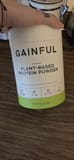 Plant-Based Protein Powder Gainful · 8.8 oz/250 g Not ultra-processed · Less salt Score 99 out of 100 , 40 points higher
The same kind of product, at least 10 points higher, sold in the US. Never paid placements.
The Receipt
Original Protein
Ingredients
- Pea protein minus 2.5 points
- Gum arabic (acacia) minus 2.5 points
- Stevia (steviol glycosides) minus 2.5 points
- Natural flavors minus 1.5 points
- Xanthan gum minus 1.5 points
Processing
- Ultra-processed (NOVA 4) minus 18 points
- 4 kinds of ultra-processing markers minus 4.5 points
Nutrition per 100 ml
- Saturated fat 2.2 g / 100 ml minus 3 points
- Salt 2.2 g / 100 ml minus 7 points
- Energy 391 kcal / 100 ml minus 4 points
- Fiber 6.5 g / 100 ml plus 4 points
- Protein 54.4 g / 100 ml plus 2 points
100 − 41 = 59
Can’t score above 79. High in salt (above the front-of-pack "high" level). [7]
Nutrition per 100 ml
| Energy | 391 kcal |
|---|---|
| Fat | 6.5 g |
| Saturated fat | 2.2 g |
| Trans fat | 0 g |
| Carbohydrates | 30.4 g |
| Sugars | 0 g |
| Added sugars | 0 g |
| Fiber | 6.5 g |
| Protein | 54.4 g |
| Salt | 2.2 g |
Serving: 2 scoops (46 g)
Ingredients
- PEA PROTEIN
- PEA STARCH
- ACACIA GUM
- COCONUT OIL POWDER
- STEVIA LEAF EXTRACT
- NATURAL FLAVORS
- SEA SALT
- XANTHAN GUM
- ROSEMARY EXTRACT
Label text, as published
PEA PROTEIN, PEA STARCH, ACACIA GUM, COCONUT OIL POWDER, STEVIA LEAF EXTRACT, NATURAL FLAVORS, SEA SALT, XANTHAN GUM, ROSEMARY EXTRACT.
Allergens and diets
Contains: Peanuts, Tree nuts, Soy, Egg
- Not vegan
- Palm-oil-free
Always check the package: recipes change.
More beverages on GoodSwap
-
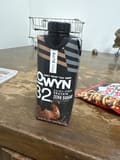 OWYN Pro Elite Dairy-Free Protein Chocolate Flavored OWYN · 330 mL Ultra-processedContains non-nutritive sweetenersContains seed oils Score 63 out of 100 Good
 -
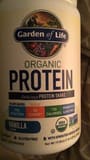 Organic Protein Delicious Protein Shake Garden of Life · 18.0 oz Ultra-processedHigh in saltContains non-nutritive sweetenersContains sugar alcohols Score 54 out of 100 Okay
 -
 Puna Coconut Pineapple Bai Ultra-processedContains non-nutritive sweetenersContains caffeine Score 69 out of 100 Good
 -
 Probiotic Water Blueberry Lemonade Karma · 18 fl oz/532 mL Ultra-processedContains non-nutritive sweetenersContains added sugars Score 52 out of 100 Okay
 -
 Milk Chocolate Delight Protein-Rich Shake Atkins · 11 fl oz/325 mL Ultra-processedContains non-nutritive sweetenersContains emulsifiers studied for gut effectsContains seed oils Score 38 out of 100 Poor
 -
 Vanilla Rockin' Protein Builder Protein Shake Shamrock Farms Ultra-processedContains non-nutritive sweetenersContains added sugarsContains emulsifiers studied for gut effects Score 43 out of 100 Okay
More from Vega
Sources
-
WHO advises not to use non-sugar sweeteners for weight control in newly released guideline
“The recommendation is based on the findings of a systematic review of the available evidence which suggests that use of NSS does not confer any long-term benefit in reducing body fat in adults or children.”
who.int
-
Dietary Guidelines for Americans, 2025–2030
“Limit foods and beverages that include artificial flavors, petroleum-based dyes, artificial preservatives, and low-calorie non-nutritive sweeteners.”
cdn.realfood.gov
-
21 CFR 101.22 Foods; labeling of spices, flavorings, colorings and chemical preservatives
“whose significant function in food is flavoring rather than nutritional.”
ecfr.gov
-
Saturated fatty acid and trans-fatty acid intake for adults and children: WHO guideline
“WHO recommends that adults and children reduce saturated fatty acid intake to 10% of total energy intake (strong recommendation).”
who.int
-
“For adults, WHO recommends less than 2000 mg/day of sodium (equivalent to less than 5 g/day salt), or just under a teaspoon.”
who.int
-
“Table 3: Criteria for drinks (per 100ml)”
assets.publishing.service.gov.uk
-
“Greater exposure to ultra-processed food was associated with a higher risk of adverse health outcomes, especially cardiometabolic, common mental disorder, and mortality outcomes.”
doi.org