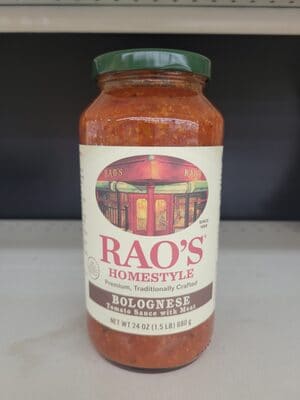
Sauces
Rao's Homestyle Rao's bolognese pasta sauce
24 oz
Score
- Ultra-processed
- Contains nitrites or nitrates
- Seed-oil free
Why it scores 48
Rao's Homestyle Rao's bolognese pasta sauce scores 48 out of 100 (Okay) under GoodSwap’s published rules. What moved the score most:
- minus 20 points Bacon: IARC classifies processed meat (cured, salted, smoked or fermented) as Group 1, based on colorectal cancer; each 50 g eaten daily is linked to an 18% higher risk. Regulatory
- minus 18 points Ultra-processed (NOVA 4): Classified NOVA 4: made with industrial ingredients and additives. Strong
- minus 7.5 points Cultured celery powder (natural nitrite source): Provides nitrite like synthetic curing salts. Regulatory
Every line of the math is on The Receipt below, with its evidence tier and sources.
Better pasta sauces
-
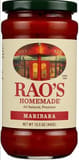 Rao’s Homemade Marinara Rao's Homemade · 15.5 oz/440 g Not ultra-processed · No nitrites or nitrates Score 92 out of 100 , 44 points higher
 -
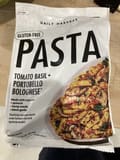 Tomato Basil Portobello Bolognese Daily Harvest Not ultra-processed · No nitrites or nitrates Score 92 out of 100 , 44 points higher
 -
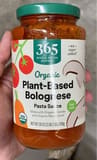 Organic Plant-Based Bolognese Pasta Sauce Whole Foods Market · 18 oz Not ultra-processed · No nitrites or nitrates Score 89 out of 100 , 41 points higher
 -
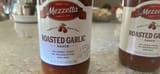 Roasted Garlic Sauce Mezzetta · 25 oz Not ultra-processed · No nitrites or nitrates Score 89 out of 100 , 41 points higher
 -
 Carbone Garlic Spaghetti Sauce ONE · 24 oz Not ultra-processed · No nitrites or nitrates Score 92 out of 100 , 44 points higher
The same kind of product, at least 10 points higher, sold in the US. Never paid placements.
The Receipt
Rao's bolognese pasta sauce
Ingredients
- Bacon minus 20 points
- Cultured celery powder (natural nitrite source) minus 7.5 points
- Natural flavors minus 2.5 points
Processing
- Ultra-processed (NOVA 4) minus 18 points
Nutrition per 100 g
- Saturated fat 1.6 g / 100 g minus 1 points
- Salt 0.7 g / 100 g minus 3 points
100 − 52 = 48
Can’t score above 79. Contains bacon, an ingredient of high concern. [1][2]
Nutrition per 100 g
| Energy | 88 kcal |
|---|---|
| Fat | 6.4 g |
| Saturated fat | 1.6 g |
| Trans fat | 0 g |
| Carbohydrates | 4.8 g |
| Sugars | 3.2 g |
| Added sugars | 0 g |
| Fiber | 0.8 g |
| Protein | 2.4 g |
| Salt | 0.7 g |
Serving: 0.5 cup (125 g)
Ingredients
- ITALIAN WHOLE PEELED TOMATOES
- ITALIAN STYLE MEATBALL CRUMBLES (BEEF, PORK, ROMANO CHEESE, WATER, SALT, SOY FLOUR, SPICES, GARLIC, NATURAL FLAVORING, PARSLEY) (not recognized)
- ONIONS
- CARROTS
- OLIVE OIL
- CELERY
- UNCURED PANCETTA CRUMBLES (PORK, SALT, WATER, SPICES, CULTURED CELERY POWDER, SEA SALT, NATURAL FLAVORING - NO NITRITES OR NITRATES ADDED EXCEPT FOR THOSE NATURALLY OCCURRING IN CULTURED CELERY POWDER AND SEA SALT) (high concern)
- GARLIC
- SALT
- CITRIC ACID
- BLACK PEPPER
- PARSLEY
- THYME
Label text, as published
ITALIAN WHOLE PEELED TOMATOES, ITALIAN STYLE MEATBALL CRUMBLES (BEEF, PORK, ROMANO CHEESE [PASTEURIZED COW'S AND SHEEP'S MILK, CHEESE CULTURES, SALT, ENZYMES], WATER, SALT, SOY FLOUR, SPICES, GARLIC, NATURAL FLAVORING, PARSLEY), ONIONS, CARROTS, OLIVE OIL, CELERY, UNCURED PANCETTA CRUMBLES (PORK, SALT, WATER, SPICES, CULTURED CELERY POWDER, SEA SALT, NATURAL FLAVORING - NO NITRITES OR NITRATES ADDED EXCEPT FOR THOSE NATURALLY OCCURRING IN CULTURED CELERY POWDER AND SEA SALT), GARLIC, SALT, CITRIC ACID, BLACK PEPPER, PARSLEY, THYME
Allergens and diets
Contains: Milk, Soy, Celery
- Not vegan
- Not vegetarian
- Palm-oil-free
Always check the package: recipes change.
More sauces on GoodSwap
-
 Original Sloppy Joe Sauce Manwich · 15 oz Ultra-processedContains added sugars Score 43 out of 100 Okay
 -
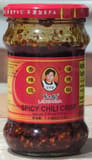 Spicy Chili Crisp Laoganma · 7.41 oz Ultra-processedHigh in saltHigh in saturated fatContains added sugars Score 26 out of 100 Poor
 -
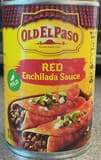 Red Enchilada Sauce Old El Paso · 10 oz Ultra-processedContains added sugarsNo synthetic dyes Score 46 out of 100 Okay
 -
 RED Enchilada Sauce Old El Paso · 10 oz Ultra-processedContains added sugarsContains seed oilsNo synthetic dyes Score 45 out of 100 Okay
 -
 Tomato Sauce Marinara Yo Mama's · 25 oz No additivesSeed-oil free Score 90 out of 100 Excellent
 -
 Thai Sweet Chili Sauce Melinda's · 12 fl oz Ultra-processedHigh in sugarHigh in saltContains added sugars Score 38 out of 100 Poor
Sources
-
IARC Monographs evaluate consumption of red meat and processed meat (Press Release No. 240)
“Processed meat was classified as carcinogenic to humans (Group 1), based on sufficient evidence in humans that the consumption of processed meat causes colorectal cancer.”
iarc.who.int
-
Agents Classified by the IARC Monographs, Volumes 1–142 (List of Classifications)
monographs.iarc.who.int
-
“the presence of nitrites and nitrates in foods can give rise to the formation of nitrosamines some of which are carcinogenic.”
eur-lex.europa.eu
-
21 CFR 101.22 Foods; labeling of spices, flavorings, colorings and chemical preservatives
“whose significant function in food is flavoring rather than nutritional.”
ecfr.gov
-
Saturated fatty acid and trans-fatty acid intake for adults and children: WHO guideline
“WHO recommends that adults and children reduce saturated fatty acid intake to 10% of total energy intake (strong recommendation).”
who.int
-
“For adults, WHO recommends less than 2000 mg/day of sodium (equivalent to less than 5 g/day salt), or just under a teaspoon.”
who.int
-
“Greater exposure to ultra-processed food was associated with a higher risk of adverse health outcomes, especially cardiometabolic, common mental disorder, and mortality outcomes.”
doi.org