Meals
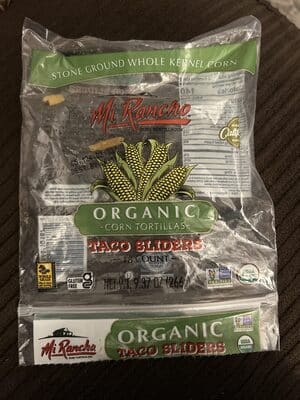
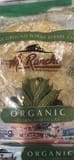
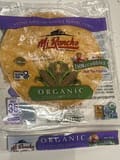
Mi Rancho Organic Corn Tortillas Taco Sliders
9.37 oz/266 g
Score
- Ultra-processed
- Certified organic
Why it scores 86
Mi Rancho Organic Corn Tortillas Taco Sliders scores 86 out of 100 (Excellent) under GoodSwap’s published rules. What moved the score most:
- minus 18 points Ultra-processed (NOVA 4): Classified NOVA 4: made with industrial ingredients and additives. Strong
- plus 5 points Certified organic: Carries a certified-organic label. Info
- minus 2.5 points Guar gum: An ingredient class typical of ultra-processed foods (NOVA group 4). Info
Every line of the math is on The Receipt below, with its evidence tier and sources.
The Receipt
Organic Corn Tortillas Taco Sliders
Ingredients
- Guar gum minus 2.5 points
Processing
- Ultra-processed (NOVA 4) minus 18 points
Nutrition per 100 g
- Energy 237 kcal / 100 g minus 1 points
- Fiber 5.1 g / 100 g plus 2 points
Bonuses
- Certified organic plus 5 points
100 − 14.5 = 85.5 → 86
Nutrition per 100 g
| Energy | 237 kcal |
|---|---|
| Fat | 2.5 g |
| Saturated fat | 0 g |
| Trans fat | 0 g |
| Carbohydrates | 49.2 g |
| Sugars | 0 g |
| Fiber | 5.1 g |
| Protein | 5.1 g |
| Salt | 0 g |
Serving: 4 TORTILLAS (59 g)
Ingredients
Label text, as published
Water, organic whole white corn, organic yellow corn masa flour, trace of lime, organic guar gum.
Allergens and diets
- Vegan
- Vegetarian
- Gluten-free
- Palm-oil-free
Always check the package: recipes change.
More meals on GoodSwap
-
 Carb Balance Flour Tortilla Wraps Mission · 340 g Ultra-processedHigh in saltContains non-nutritive sweetenersContains emulsifiers studied for gut effects Score 46 out of 100 Okay
 -
 Grain Free Taco Shells Siete · 5.5 oz/156 g Ultra-processedNo additivesSeed-oil free Score 72 out of 100 Good
 -
 Tortilla Wraps Mission · 9 oz Ultra-processedHigh in saltContains non-nutritive sweetenersContains emulsifiers studied for gut effects Score 30 out of 100 Poor
 -
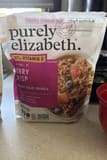 Berry Crisp Ancient Grain Grabola Purely Elizabeth · .8 oz High in saturated fatContains added sugarsContains seed oilsCertified organic Score 31 out of 100 Poor
 -
 Bean Salsa Roja Corn Bar Fillo's · 4 oz/113 g Seed-oil free Score 89 out of 100 Excellent
 -
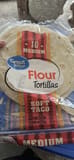 Flour Tortillas Great Value · 16 oz Ultra-processedContains emulsifiers studied for gut effectsContains palm oilSeed-oil free Score 49 out of 100 Okay
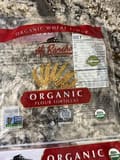
More from Mi Rancho
Sources
-
Dietary Guidelines for Americans, 2025–2030
“Limit foods and beverages that include artificial flavors, petroleum-based dyes, artificial preservatives, and low-calorie non-nutritive sweeteners.”
cdn.realfood.gov
-
7 CFR 205.102 Use of the term "organic" (National Organic Program)
“Any agricultural product that is sold, labeled, or represented as “100 percent organic,” “organic,” or “made with organic (specified ingredients or food group(s))” must be: (a) Produced in accordance with the requirements specified in § 205.101 or §§ 205.202 through 205.207”
ecfr.gov
-
“Greater exposure to ultra-processed food was associated with a higher risk of adverse health outcomes, especially cardiometabolic, common mental disorder, and mortality outcomes.”
doi.org