Kombuchas
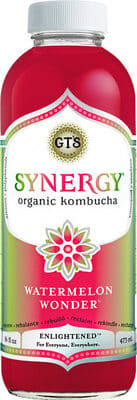
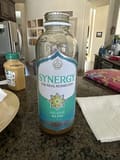
GT's Watermelon Wonder Kombucha
Score
- No additives
Why it scores 94
GT's Watermelon Wonder Kombucha scores 94 out of 100 (Excellent) under GoodSwap’s published rules. What moved the score most:
- minus 9 points Sugars 3.8 g / 100 ml: High in sugar. Strong
- plus 5 points Simple whole food: A few low-concern ingredients, minimally processed. Info
- minus 4 points Energy 438 kcal / 100 ml: Energy-dense for its volume. Info
Every line of the math is on The Receipt below, with its evidence tier and sources.
The Receipt
Watermelon Wonder Kombucha
Nutrition per 100 ml
- Sugars 3.8 g / 100 ml minus 9 points
- Salt 0.3 g / 100 ml minus 1 points
- Energy 438 kcal / 100 ml minus 4 points
Bonuses
- Simple whole food plus 5 points
- No additives plus 3 points
100 − 6 = 94
Nutrition per 100 ml
| Energy | 438 kcal |
|---|---|
| Fat | 0 g |
| Carbohydrates | 3.8 g |
| Sugars | 3.8 g |
| Added sugars | 0.6 g |
| Protein | 0 g |
| Salt | 0.3 g |
Serving: 1 bottle (473 ml)
Ingredients
Label text, as published
organic tart cherry juice, organic apple juice, organic lime juice
Allergens and diets
- Vegan
- Vegetarian
- Gluten-free
- Palm-oil-free
Always check the package: recipes change.
More kombuchas on GoodSwap
-
 KOMBUCHA Passion Fruit Tangerine Health-Ade · 16 oz Ultra-processedContains added sugarsContains caffeineCertified organic Score 56 out of 100 Okay
 -
 Trilogy Synergy the Real Kombucha · 1 × 16 fl oz High in sugarContains added sugarsContains caffeineCertified organic Score 53 out of 100 Okay
 -
 Kombucha Pink Lady Apple Health-Ade · 16 fl oz Ultra-processedContains added sugarsContains caffeineCertified organic Score 47 out of 100 Okay
 -
 Organic Kombucha Brew Dr. · 6 14 oz bottles Contains added sugarsContains caffeineNo additives Score 64 out of 100 Good
 -
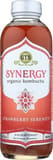 T s enlightened strawberry synergy organic vegan raw kombucha GT's · 8 fl oz (240 mL) Contains caffeineCertified organicNo additives Score 97 out of 100 Excellent
 -
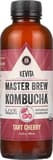 Organic Sparkling Probiotic Drink Strawberry Acai Coconut Kevita · 450 mL Ultra-processedContains non-nutritive sweetenersContains added sugarsContains caffeine Score 54 out of 100 Okay
More from GT's
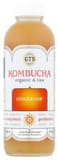
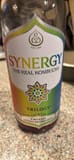
Sources
-
Guideline: sugars intake for adults and children
“In both adults and children, WHO recommends reducing the intake of free sugars to less than 10% of total energy intake”
who.int
-
“For adults, WHO recommends less than 2000 mg/day of sodium (equivalent to less than 5 g/day salt), or just under a teaspoon.”
who.int
-
Dietary Guidelines for Americans, 2025–2030
“Limit foods and beverages that include artificial flavors, petroleum-based dyes, artificial preservatives, and low-calorie non-nutritive sweeteners.”
cdn.realfood.gov