Food ingredient · Tea
Yerba mate
A South American tea rich in caffeine.
- Caffeine source
- Expert review pending
Concern level
A whole food or a benign function, with no credible concern. It never costs points. The concern level sets how many points yerba mate costs on a product’s receipt.
What the evidence says
-
CaffeineStrong evidence
A natural source of caffeine. The FDA cites 400 mg a day as generally safe for most adults; EFSA advises no more than 200 mg a day in pregnancy. [1][2]
Evidence tiers say how sure the evidence is, separately from how much it matters. About evidence tiers.
Popular products that list yerba mate
11 of the 17,000 most-scanned products in the US with a GoodSwap page list yerba mate.
-
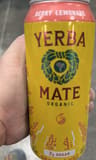 Berry Lemonade YERBA MATE Guayaki · 15.5 fl oz/458 mL Score 75 out of 100 Good
 -
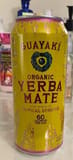 Organic Tropical Uprising Yerba Mate Guayaki Yerba Mate · 15.5 fl oz/458 mL Score 39 out of 100 Poor
 -
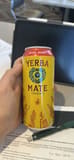 Organic Yerba Mate Yerba Madre · 15.5 fl oz/458 mL Score 59 out of 100 Okay
 -
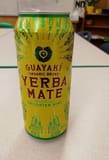 Organic Yerba Mate Yerba Madre · 15.5 fl oz/458 mL Score 29 out of 100 Poor
 -
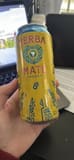 Organic Yerba Mate Yerba Madre · 458 mL Score 59 out of 100 Okay
 -
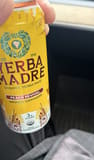 Peach Revival Yerba Madre · 15.5 fl oz Score 74 out of 100 Good
 -
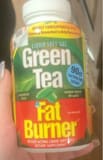 Green tea fat burner Applied Nutrition Score 15 out of 100 Bad
 -
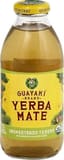 Organic Unsweetened Traditional Tereré Guayaki · 16 fl oz/1 PT/473 mL Score 84 out of 100 Excellent
 -
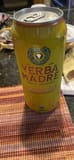 Awakening Orange Yerba Madre · 15.5 fl oz/458 mL Score 58 out of 100 Okay
 -
 Organic Lemon Elation Yerba Mate Guayaki Herbal Products · 15.5 fl oz/458 mL Score 61 out of 100 Good
 -
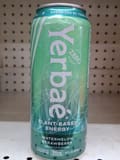 Yerbaé sandia y fresa Yerbae · 16 fl oz/473 mL Score 73 out of 100 Good
Diets and allergens
- Vegan
- Yes
- Vegetarian
- Yes
- Gluten-free
- Yes
For the ingredient in general. Always check the package: a product’s own labels win.
Names GoodSwap recognizes on labels (4)
- mate
- yerba mate
- mate extract
- yerba mate extract
Sources
-
Spilling the Beans: How Much Caffeine is Too Much?
“For most adults, the FDA has cited 400 milligrams* a day — that's about two to three 12-fluid-ounce cups of coffee — as an amount not generally associated with negative effects.”
fda.gov
-
Caffeine (EFSA topic page; Scientific Opinion on the safety of caffeine, 2015)
“Caffeine intakes from all sources up to 200mg per day consumed throughout the day do not raise safety concerns for the foetus.”
efsa.europa.eu