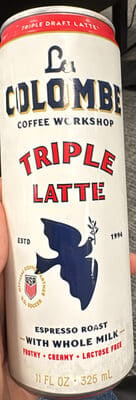
Coffee with milk with sugar
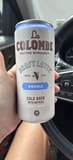
La Colombe Triple Latte
11 oz
Score
- Ultra-processed
- Contains added sugars
- Contains caffeine
Why it scores 47
La Colombe Triple Latte scores 47 out of 100 (Okay) under GoodSwap’s published rules. What moved the score most:
- minus 20 points Sugar: An added sugar. Strong
- minus 18 points Ultra-processed (NOVA 4): Classified NOVA 4: made with industrial ingredients and additives. Strong
- minus 3 points Added sugars 1.5 g / 100 ml: Contains some sugar. Strong
Every line of the math is on The Receipt below, with its evidence tier and sources.
Better bottled coffee drinks
-
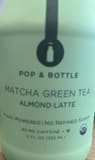 Matcha Green Tea Almond Latte Pop & Bottle · 11 fl oz/325 mL Not ultra-processed · No added sugars Score 100 out of 100 , 53 points higher
 -
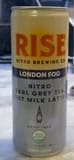 Nitro Earl Grey Tea Oat Milk Latte Rise Brewing Co. · 7 fl oz/207 mL Not ultra-processed · No added sugars Score 91 out of 100 , 44 points higher
 -
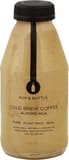 Classic Cold Brew Almond Latte Pop & Bottle · 11 fl oz/325 mL Not ultra-processed · No added sugars Score 83 out of 100 , 36 points higher
 -
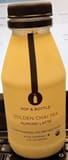 Golden Chai Tea Almond Latte Pop And Bottle Llc · 11 fl oz/325 mL Not ultra-processed · No added sugars Score 83 out of 100 , 36 points higher
 -
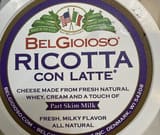 Belgioioso, ricotta con latte, part skim milk, cheese Belgioioso No added sugars · No caffeine Score 84 out of 100 , 37 points higher
The same kind of product, at least 10 points higher, sold in the US. Never paid placements.
The Receipt
Triple Latte
Ingredients
- Sugar minus 20 points
- Gum arabic (acacia) minus 2.5 points
- Gellan gum minus 2.5 points
- Natural flavors minus 1.5 points
- Sodium phosphate minus 1.5 points
Processing
- Ultra-processed (NOVA 4) minus 18 points
- 2 kinds of ultra-processing markers minus 1.5 points
Nutrition per 100 ml
- Added sugars 1.5 g / 100 ml minus 3 points
- Energy 40 kcal / 100 ml minus 3 points
100 − 53.5 = 46.5 → 47
Can’t score above 79. Contains sugar, an ingredient of high concern. [1][2][3]
Nutrition per 100 ml
| Energy | 40 kcal |
|---|---|
| Fat | 1.2 g |
| Saturated fat | 0.8 g |
| Trans fat | 0 g |
| Carbohydrates | 5.8 g |
| Sugars | 2.8 g |
| Added sugars | 1.5 g |
| Fiber | 1.8 g |
| Protein | 2.2 g |
| Salt | 0.2 g |
Serving: 1 can (325 ml)
Ingredients
- REDUCED FAT MILK
- COFFEE (WATER, COFFEE)
- CANE SUGAR (high concern)
- ACACIA GUM
- GELLAN GUM
- LACTASE
- NATURAL FLAVORS
- NITROUS OXIDE
- DISODIUM PHOSPHATE
- TRISODIUM PHOSPHATE
Label text, as published
REDUCED FAT MILK, COFFEE (WATER, COFFEE), CANE SUGAR, ACACIA GUM, GELLAN GUM, LACTASE, NATURAL FLAVORS, NITROUS OXIDE, DISODIUM PHOSPHATE, TRISODIUM PHOSPHATE
Allergens and diets
Contains: Milk
- Not vegan
- Palm-oil-free
Always check the package: recipes change.
More coffee with milk with sugar on GoodSwap
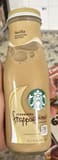
More from La Colombe
Sources
-
Guideline: sugars intake for adults and children
“In both adults and children, WHO recommends reducing the intake of free sugars to less than 10% of total energy intake”
who.int
-
Dietary Guidelines for Americans, 2025–2030
“Limit foods and beverages that include artificial flavors, petroleum-based dyes, artificial preservatives, and low-calorie non-nutritive sweeteners.”
cdn.realfood.gov
-
Added and free sugars should be as low as possible
“Sugar consumption is a known cause of dental caries.”
efsa.europa.eu
-
21 CFR 101.22 Foods; labeling of spices, flavorings, colorings and chemical preservatives
“whose significant function in food is flavoring rather than nutritional.”
ecfr.gov
-
EFSA issues new advice on phosphates
“We estimated that dietary exposure to phosphates may exceed the new ADI for infants, toddlers and children with average consumption of phosphates in their diet.”
efsa.europa.eu
-
“Greater exposure to ultra-processed food was associated with a higher risk of adverse health outcomes, especially cardiometabolic, common mental disorder, and mortality outcomes.”
doi.org
-
Spilling the Beans: How Much Caffeine is Too Much?
“For most adults, the FDA has cited 400 milligrams* a day — that's about two to three 12-fluid-ounce cups of coffee — as an amount not generally associated with negative effects.”
fda.gov
-
Regulation (EU) No 1169/2011, Annex III point 4.1 (beverages with high caffeine content)
“‘High caffeine content. Not recommended for children or pregnant or breast-feeding women’”
eur-lex.europa.eu