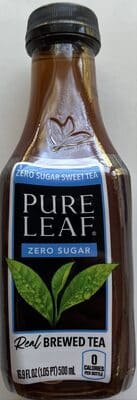
Light iced teas
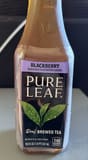
Pure Leaf Zero Sugar Sweet Tea
16.9 fl oz
Score
- Ultra-processed
- Contains non-nutritive sweeteners
- Contains caffeine
Why it scores 63
Pure Leaf Zero Sugar Sweet Tea scores 63 out of 100 (Good) under GoodSwap’s published rules. What moved the score most:
- minus 18 points Ultra-processed (NOVA 4): Classified NOVA 4: made with industrial ingredients and additives. Strong
- minus 7.5 points Sucralose: In a 2022 randomized study, sucralose and saccharin altered the gut microbiome and impaired glucose responses in some people; a 2023 lab study raised questions about its by-product sucralose-6-acetate. Strong
- minus 7.5 points Acesulfame potassium (Ace-K): In the NutriNet-Santé cohort, acesulfame-K intake was associated with higher cancer risk; cause and effect is not established. Strong
Every line of the math is on The Receipt below, with its evidence tier and sources.
Better bottled tea
-
 PURE LEAF Real Brewed Tea UNSWEETENED NO SUGAR Pure Leaf · 18.5 fl oz (1.15 PT) 547 mL Not ultra-processed · No non-nutritive sweeteners Score 100 out of 100 , 37 points higher
 -
 Zero Sugar Sweet Tea Milo's · 128 fl oz/1 gal No non-nutritive sweeteners · No sucralose Score 85 out of 100 , 22 points higher
 -
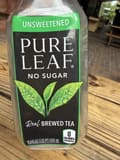 Pure Leaf Unsweetened Real Brewed Tea Pure Leaf · 500 mL Not ultra-processed · No non-nutritive sweeteners Score 100 out of 100 , 37 points higher
 -
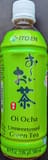 Oi Ocha Unsweetened Green Tea Ito En · 500 mL Not ultra-processed · No non-nutritive sweeteners Score 100 out of 100 , 37 points higher
 -
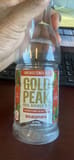 Unsweetened Black Tea Gold Peak · 18.5 fl oz / 547 mL Not ultra-processed · No non-nutritive sweeteners Score 100 out of 100 , 37 points higher
The same kind of product, at least 10 points higher, sold in the US. Never paid placements.
The Receipt
Zero Sugar Sweet Tea
Ingredients
- Sucralose minus 7.5 points
- Acesulfame potassium (Ace-K) minus 7.5 points
- Pectin minus 2.5 points
Processing
- Ultra-processed (NOVA 4) minus 18 points
- 2 kinds of ultra-processing markers minus 1.5 points
Nutrition
- Nutrition facts unavailable no points
100 − 37 = 63
Can’t score above 79. No nutrition facts on file, so we can't confirm excellent.
Ingredients
- BREWED BLACK TEA
- CITRIC ACID
- CITRUS PECTIN
- SUCRALOSE (moderate concern)
- ACESULFAME POTASSIUM (moderate concern)
Label text, as published
BREWED BLACK TEA, CITRIC ACID, CITRUS PECTIN, SUCRALOSE, ACESULFAME POTASSIUM
Allergens and diets
- Vegan
- Vegetarian
- Gluten-free
- Palm-oil-free
Always check the package: recipes change.
More light iced teas on GoodSwap
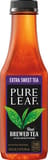
More from Pure Leaf
Sources
-
Personalized microbiome-driven effects of non-nutritive sweeteners on human glucose tolerance
“As groups, each administered NNS distinctly altered stool and oral microbiome and plasma metabolome, whereas saccharin and sucralose significantly impaired glycemic responses.”
doi.org
-
“Sucralose-6-acetate significantly increased the expression of genes associated with inflammation, oxidative stress, and cancer”
doi.org
-
“EFSA’s experts concluded that the sweetener sucralose (E 955) continues to be safe for consumers for its currently authorised uses as a food additive.”
efsa.europa.eu
-
WHO advises not to use non-sugar sweeteners for weight control in newly released guideline
“The recommendation is based on the findings of a systematic review of the available evidence which suggests that use of NSS does not confer any long-term benefit in reducing body fat in adults or children.”
who.int
-
Dietary Guidelines for Americans, 2025–2030
“Limit foods and beverages that include artificial flavors, petroleum-based dyes, artificial preservatives, and low-calorie non-nutritive sweeteners.”
cdn.realfood.gov
-
Artificial sweeteners and cancer risk: Results from the NutriNet-Santé population-based cohort study
“In this large cohort study, artificial sweeteners (especially aspartame and acesulfame-K), which are used in many food and beverage brands worldwide, were associated with increased cancer risk.”
doi.org
-
Re-evaluation of acesulfame K (E 950) as food additive (plain language summary)
“The acceptable daily intake (ADI) considered safe for all population groups was set at 15 mg/kg body weight (bw) per day.”
efsa.europa.eu
-
“Greater exposure to ultra-processed food was associated with a higher risk of adverse health outcomes, especially cardiometabolic, common mental disorder, and mortality outcomes.”
doi.org
-
Spilling the Beans: How Much Caffeine is Too Much?
“For most adults, the FDA has cited 400 milligrams* a day — that's about two to three 12-fluid-ounce cups of coffee — as an amount not generally associated with negative effects.”
fda.gov
-
Regulation (EU) No 1169/2011, Annex III point 4.1 (beverages with high caffeine content)
“‘High caffeine content. Not recommended for children or pregnant or breast-feeding women’”
eur-lex.europa.eu