Plant-based beverages
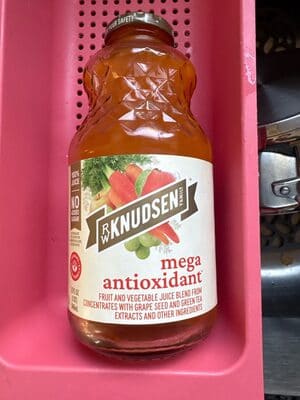
R.W. Knudsen Simply nutritious mega antioxidant juice
32 fl oz/1 Quart/946 mL
Score
- Ultra-processed
- Contains caffeine
- No synthetic dyes
Why it scores 60
R.W. Knudsen Simply nutritious mega antioxidant juice scores 60 out of 100 (Good) under GoodSwap’s published rules. What moved the score most:
- minus 18 points Ultra-processed (NOVA 4): Classified NOVA 4: made with industrial ingredients and additives. Strong
- minus 14 points Sugars 9.2 g / 100 ml: Very high in sugar. Strong
- minus 4 points Energy 46 kcal / 100 ml: Energy-dense for its volume. Info
Every line of the math is on The Receipt below, with its evidence tier and sources.
Better juices and juice drinks
-
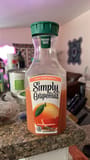 Simply Grapefruit Simply Beverages · 52 oz Not ultra-processed · No caffeine Score 91 out of 100 , 31 points higher
 -
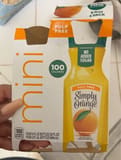 Simply Orange 100% Orange Juice Simply Orange Not ultra-processed · No caffeine Score 91 out of 100 , 31 points higher
 -
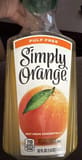 Simply Orange Pulp Free Simply Juices and Drinks · 52 fl oz (1.53 L) Not ultra-processed · No caffeine Score 90 out of 100 , 30 points higher
 -
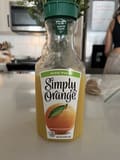 Simply Orange High Pulp Simply Beverages · 52.0 fl oz Not ultra-processed · No caffeine Score 90 out of 100 , 30 points higher
 -
 Simply Orange Pulp Free Simply Orange Not ultra-processed · No caffeine Score 90 out of 100 , 30 points higher
The same kind of product, at least 10 points higher, sold in the US. Never paid placements.
The Receipt
Simply nutritious mega antioxidant juice
Ingredients
- Natural flavors minus 2.5 points
Processing
- Ultra-processed (NOVA 4) minus 18 points
- 2 kinds of ultra-processing markers minus 1.5 points
Nutrition per 100 ml
- Sugars 9.2 g / 100 ml minus 14 points
- Energy 46 kcal / 100 ml minus 4 points
100 − 40 = 60
Nutrition per 100 ml
| Energy | 46 kcal |
|---|---|
| Fat | 0 g |
| Carbohydrates | 11.3 g |
| Sugars | 9.2 g |
| Added sugars | 0 g |
| Fiber | 0.4 g |
| Protein | 0 g |
| Salt | 0 g |
Serving: 1 serving (240 ml)
Ingredients
- FILTERED WATER (SUFFICIENT TO RECONSTITUTE)
- APPLE
- CARROT
- PEACH AND LEMON JUICE CONCENTRATES
- ASCORBIC ACID (VITAMIN C)
- NATURAL FLAVORS
- GRAPE SEED EXTRACT
- GREEN TEA EXTRACT
- D-ALPHA-TOCOPHERYL ACETATE (VITAMIN E)
- BETA-CAROTENE (PRO-VITAMIN A)
- SELENIUM
Label text, as published
FILTERED WATER (SUFFICIENT TO RECONSTITUTE); APPLE, CARROT, PEACH AND LEMON JUICE CONCENTRATES; ASCORBIC ACID (VITAMIN C); NATURAL FLAVORS; GRAPE SEED EXTRACT; GREEN TEA EXTRACT; D-ALPHA-TOCOPHERYL ACETATE (VITAMIN E); BETA-CAROTENE (PRO-VITAMIN A); SELENIUM.
Allergens and diets
- Palm-oil-free
Always check the package: recipes change.
More plant-based beverages on GoodSwap
-
 Non-Dairy Protein Shake OWYN · 12 oz Ultra-processedContains non-nutritive sweetenersContains added sugarsContains seed oils Score 39 out of 100 Poor
 -
 Orange juice Aldi No additives Score 90 out of 100 Excellent
 -
 Simply Light Orange Juice Pulp Free Simply Beverages · 52.0 fl oz Ultra-processedContains non-nutritive sweetenersNo synthetic dyes Score 59 out of 100 Okay
 -
 Concord lime juicereconstitutedset Concord Foods · 4.5 fl oz (133 mL) Score 85 out of 100 Excellent
 -
 Flavored Fruit Juice Cocktail Blend Suave · 59 fl oz Ultra-processedHigh in sugarContains added sugarsNo synthetic dyes Score 10 out of 100 Bad
 -
 Martinellis gold medal sparkling cider Martinelli's Gold Medal · 25.4 fl oz/750 mL High in sugar Score 79 out of 100 Good
More from R.W. Knudsen
-
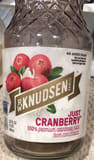 Just Cranberry Juice R.W. Knudsen · 32 fl oz/1 qt/946 mL Score 97 out of 100 Excellent
 -
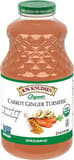 Organic Carrot, Ginger And Turmeric Juice R.W. Knudsen · 32 fl oz/1 Quart/946 mL Score 76 out of 100 Good
 -
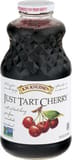 Just Tart Cherry R.W. Knudsen · 32 fl oz/1 Quart/946 mL Score 85 out of 100 Excellent
 -
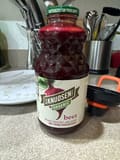 Organic Beet Juice R.W. Knudsen · 32 fl oz/1 Quart/946 mL Score 95 out of 100 Excellent
Sources
-
21 CFR 101.22 Foods; labeling of spices, flavorings, colorings and chemical preservatives
“whose significant function in food is flavoring rather than nutritional.”
ecfr.gov
-
Guideline: sugars intake for adults and children
“In both adults and children, WHO recommends reducing the intake of free sugars to less than 10% of total energy intake”
who.int
-
Dietary Guidelines for Americans, 2025–2030
“Limit foods and beverages that include artificial flavors, petroleum-based dyes, artificial preservatives, and low-calorie non-nutritive sweeteners.”
cdn.realfood.gov
-
“Greater exposure to ultra-processed food was associated with a higher risk of adverse health outcomes, especially cardiometabolic, common mental disorder, and mortality outcomes.”
doi.org
-
Spilling the Beans: How Much Caffeine is Too Much?
“For most adults, the FDA has cited 400 milligrams* a day — that's about two to three 12-fluid-ounce cups of coffee — as an amount not generally associated with negative effects.”
fda.gov
-
Regulation (EU) No 1169/2011, Annex III point 4.1 (beverages with high caffeine content)
“‘High caffeine content. Not recommended for children or pregnant or breast-feeding women’”
eur-lex.europa.eu