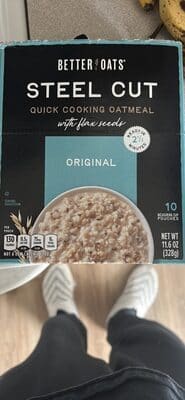
Oat
Betteroats Steel Cut Oatmeal Original
10
Score
- Contains whole grains
Why it scores 97
Betteroats Steel Cut Oatmeal Original scores 97 out of 100 (Excellent) under GoodSwap’s published rules. What moved the score most:
- minus 8 points Processed (NOVA 3): Classified NOVA 3: processed with added salt, sugar or oil. Emerging
- plus 4 points Fiber 9.1 g / 100 g: A good source of fiber. Strong
- plus 2 points Protein 12.1 g / 100 g: A good source of protein. Info
Every line of the math is on The Receipt below, with its evidence tier and sources.
The Receipt
Steel Cut Oatmeal Original
Processing
- Processed (NOVA 3) minus 8 points
Nutrition per 100 g
- Salt 0.6 g / 100 g minus 1 points
- Fiber 9.1 g / 100 g plus 4 points
- Protein 12.1 g / 100 g plus 2 points
100 − 3 = 97
Nutrition per 100 g
| Energy | 394 kcal |
|---|---|
| Fat | 9.1 g |
| Saturated fat | 1.5 g |
| Trans fat | 0 g |
| Carbohydrates | 66.7 g |
| Sugars | 0 g |
| Added sugars | 0 g |
| Fiber | 9.1 g |
| Protein | 12.1 g |
| Salt | 0.6 g |
Serving: 1 pouch (33 g)
Ingredients
Label text, as published
Whole Grain Steel Cut Oats, Flaxseed, Stearic Acid, Salt.
Allergens and diets
Contains: Gluten
- Vegan
- Vegetarian
- Not gluten-free
- Palm-oil-free
Always check the package: recipes change.
Packaging
Paperboard
Context only: no points in v1.
More oat on GoodSwap
-
 Great Grains Raisins, Dates & Pecans Cereal Post · 453 g High in sugarContains added sugarsContains seed oilsContains whole grains Score 32 out of 100 Poor
 -
 Oven Toasted Old Fashioned Organic Oats Trader Joe's · 18 oz (510 g) Certified organicNo additivesContains whole grains Score 100 out of 100 Excellent
 -
 Apple Cinnamon oats Mush · 5 oz Contains added sugarsNo additivesContains whole grains Score 72 out of 100 Good
 -
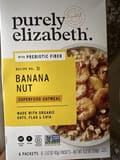 Banana Nut Superfood Oatmeal Purely Elizabeth · 6 × 1.52 oz Contains added sugarsNo additivesContains whole grains Score 66 out of 100 Good
 -
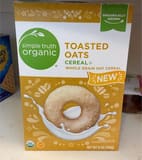 Toasted Oats Simple Truth · 12 oz Contains added sugarsCertified organicContains whole grains Score 77 out of 100 Good
 -
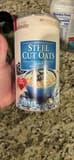 Steel Cut Oats Quick Millville · 25 oz No additivesContains whole grains Score 100 out of 100 Excellent
More from Betteroats
-
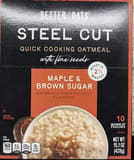 Steel Cut Quick Cooking Oatmeal with Flax Seeds Maple & Brown Sugar Betteroats · 15.1 oz, 10 packets Score 27 out of 100 Poor
 -
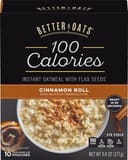 100 Calorie Quick Cooking Oatmeal Cinnamon Roll Betteroats · 9.8 oz/277 g Score 25 out of 100 Poor
 -
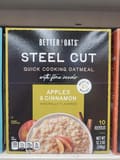 Steel Cut apples & Cinnamon instant oatmeal Betteroats · 12.3 oz/348 g Score 40 out of 100 Okay
 -
 Organic Bare Multigrain Cereal With Flax Betteroats · 11.8 oz Score 100 out of 100 Excellent
Sources
-
“For adults, WHO recommends less than 2000 mg/day of sodium (equivalent to less than 5 g/day salt), or just under a teaspoon.”
who.int
-
Dietary Guidelines for Americans, 2025–2030
“Limit foods and beverages that include artificial flavors, petroleum-based dyes, artificial preservatives, and low-calorie non-nutritive sweeteners.”
cdn.realfood.gov