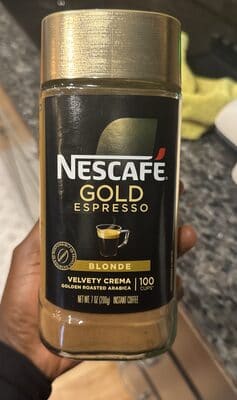
Espresso coffee without sugar
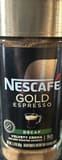
Nescafé Gold espresso
7 oz
Score
- Contains caffeine
- No additives
Why it scores 79
Nescafé Gold espresso scores 79 out of 100 (Good) under GoodSwap’s published rules. Nothing on the label cost it points.
Capped at 79: High in fat (above the front-of-pack "high" level).
Every line of the math is on The Receipt below, with its evidence tier and sources.
Better coffee
-
 Café Espresso Molido Cafe Bustelo · 10 oz Scores +21 Score 100 out of 100 , 21 points higher
 -
 Death Wosh Coffee Espresso Death Wish Coffee Scores +21 Score 100 out of 100 , 21 points higher
 -
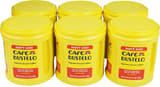 Espresso bustelo Cafe Bustelo · 2 lb 4 oz Scores +21 Score 100 out of 100 , 21 points higher
 -
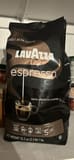 Espresso Lavazza · 35.2 oz Scores +21 Score 100 out of 100 , 21 points higher
 -
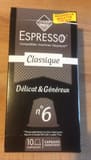 Espresso Classique compatible Nespresso Leader Price · 50 g Scores +21 Score 100 out of 100 , 21 points higher
The same kind of product, at least 10 points higher, sold in the US. Never paid placements.
The Receipt
Gold espresso
100 + 0 = 100 → capped at 79
Capped at 79. High in fat (above the front-of-pack "high" level). [1]
Nutrition per 100 ml
| Energy | 0 kcal |
|---|---|
| Fat | 15.4 g |
| Saturated fat | 0 g |
| Carbohydrates | 40.2 g |
| Sugars | 0 g |
| Added sugars | 0 g |
| Fiber | 0 g |
| Protein | 0 g |
| Salt | 0 g |
Serving: 2
Ingredients
Label text, as published
100% Pure Coffee
Allergens and diets
- Vegan
- Vegetarian
- Gluten-free
- Palm-oil-free
Always check the package: recipes change.
Packaging
Plastic
Context only: no points in v1.
More espresso coffee without sugar on GoodSwap
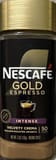
More from Nescafé
Sources
-
“Table 3: Criteria for drinks (per 100ml)”
assets.publishing.service.gov.uk
-
Spilling the Beans: How Much Caffeine is Too Much?
“For most adults, the FDA has cited 400 milligrams* a day — that's about two to three 12-fluid-ounce cups of coffee — as an amount not generally associated with negative effects.”
fda.gov
-
Regulation (EU) No 1169/2011, Annex III point 4.1 (beverages with high caffeine content)
“‘High caffeine content. Not recommended for children or pregnant or breast-feeding women’”
eur-lex.europa.eu