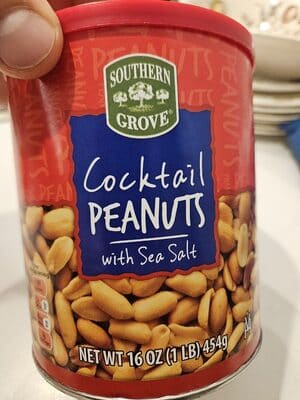
Peanut grilled salted
Southern Grove Cocktail Peanuts
16 oz
Score
- Contains seed oils
- No additives
Why it scores 79
Southern Grove Cocktail Peanuts scores 79 out of 100 (Good) under GoodSwap’s published rules. What moved the score most:
- minus 8 points Processed (NOVA 3): Classified NOVA 3: processed with added salt, sugar or oil. Emerging
- plus 3 points No additives: No food additives in the ingredient list. Info
- minus 2.5 points Cottonseed oil: High in omega-6 linoleic acid. Emerging
Capped at 79: No nutrition facts on file, so we can't confirm excellent.
Every line of the math is on The Receipt below, with its evidence tier and sources.
Better peanuts
-
 Cocktail Peanuts Planters · 12 oz No seed oils Score 100 out of 100 , 21 points higher
 -
 Salted Cocktail Peanuts Planters · 12 oz No seed oils Score 98 out of 100 , 19 points higher
 -
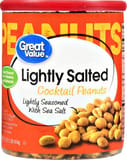 Lightly Salted Cocktail Peanuts Great Value · 16 oz/1 lb/454 g Scores +14 Score 93 out of 100 , 14 points higher
 -
 Dry Roasted Peanuts - Unsalted Great Value · 16 oz No seed oils Score 100 out of 100 , 21 points higher
 -
 Dry Roasted Peanuts Southern Grove · 454 g No seed oils Score 100 out of 100 , 21 points higher
The same kind of product, at least 10 points higher, sold in the US. Never paid placements.
The Receipt
Cocktail Peanuts
Ingredients
- Cottonseed oil minus 2.5 points
Processing
- Processed (NOVA 3) minus 8 points
Nutrition
- Nutrition facts unavailable no points
Bonuses
- No additives plus 3 points
100 − 7.5 = 92.5 → 93 → capped at 79
Capped at 79. No nutrition facts on file, so we can't confirm excellent.
Ingredients
Label text, as published
PEANUTS, PEANUT AND/OR COTTONSEED OIL, SEA SALT.
Allergens and diets
Contains: Peanuts
- Vegan
- Vegetarian
- Gluten-free
- Palm-oil-free
Always check the package: recipes change.
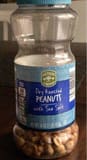
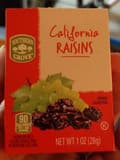
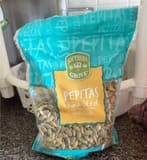
More from Southern Grove
Sources
-
“replacement of saturated fat in the diet with linoleic acid effectively lowers serum cholesterol but does not support the hypothesis that this translates to a lower risk of death from coronary heart disease or all causes.”
doi.org
-
“These data provide support for current recommendations to replace saturated fat with polyunsaturated fat for primary prevention of CHD.”
doi.org