Plant-based beverages
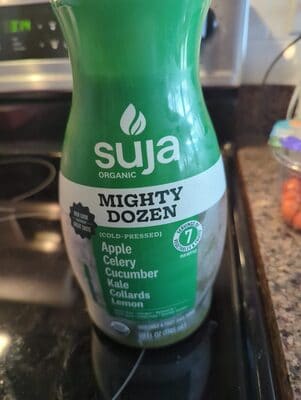
suja ORGANIC Mighty Dozen
59 fl oz/1745 mL
Score
- Contains caffeine
- Certified organic
- No additives
Why it scores 97
suja ORGANIC Mighty Dozen scores 97 out of 100 (Excellent) under GoodSwap’s published rules. What moved the score most:
- minus 9 points Sugars 4.6 g / 100 ml: High in sugar. Strong
- plus 5 points Certified organic: Carries a certified-organic label. Info
- plus 3 points No additives: No food additives in the ingredient list. Info
Every line of the math is on The Receipt below, with its evidence tier and sources.
The Receipt
Mighty Dozen
Nutrition per 100 ml
- Sugars 4.6 g / 100 ml minus 9 points
- Energy 28 kcal / 100 ml minus 2 points
Bonuses
- Certified organic plus 5 points
- No additives plus 3 points
100 − 3 = 97
Nutrition per 100 ml
| Energy | 28 kcal |
|---|---|
| Fat | 0 g |
| Saturated fat | 0 g |
| Trans fat | 0 g |
| Carbohydrates | 6.3 g |
| Sugars | 4.6 g |
| Added sugars | 0 g |
| Fiber | 0 g |
| Protein | 0.4 g |
| Salt | 0.1 g |
Serving: 1 portion (8 fl oz)
Ingredients
- APPLE JUICE1
- CELERY JUICE!1 CUCUMBER JUICE1
- KALE JUICE1
- COLLARD GREENS JUICE1
- LEMON JUICE1
- TEA (PURIFIED WATER, PEPPERMINT TEA LEAF1, SPEARMINT TEA LEAF1)
- GINGER JUICE1 SPINACH JUICE1
- SPIRULINA POWDER1
- CHLORELLA POWDER BARLEY GRASS POWDER1 ORGANIC
Label text, as published
APPLE JUICE1, CELERY JUICE!1 CUCUMBER JUICE1, KALE JUICE1, COLLARD GREENS JUICE1, LEMON JUICE1, TEA (PURIFIED WATER, PEPPERMINT TEA LEAF1, SPEARMINT TEA LEAF1), GINGER JUICE1 SPINACH JUICE1, SPIRULINA POWDER1, CHLORELLA POWDER BARLEY GRASS POWDER1 ORGANIC
Allergens and diets
Contains: Celery
- Vegan
- Vegetarian
- Gluten-free
- Palm-oil-free
Always check the package: recipes change.
More plant-based beverages on GoodSwap
-
 Non-Dairy Protein Shake OWYN · 12 oz Ultra-processedContains non-nutritive sweetenersContains added sugarsContains seed oils Score 39 out of 100 Poor
 -
 Orange juice Aldi No additives Score 90 out of 100 Excellent
 -
 Simply Light Orange Juice Pulp Free Simply Beverages · 52.0 fl oz Ultra-processedContains non-nutritive sweetenersNo synthetic dyes Score 59 out of 100 Okay
 - Light Apple Juice Drink Mott's · 64 oz Ultra-processedContains non-nutritive sweetenersContains added sugars Score 38 out of 100 Poor
-
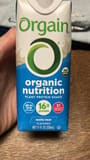 Organic Nutrition Plant Protein Shake Vanilla Bean Flavored Orgain · 330 mL Ultra-processedContains non-nutritive sweetenersContains added sugarsContains seed oils Score 33 out of 100 Poor
 -
 Concord lime juicereconstitutedset Concord Foods · 4.5 fl oz (133 mL) Score 85 out of 100 Excellent
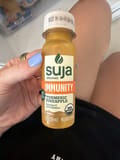
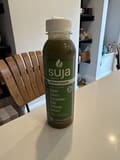
More from suja ORGANIC
Sources
-
Guideline: sugars intake for adults and children
“In both adults and children, WHO recommends reducing the intake of free sugars to less than 10% of total energy intake”
who.int
-
Dietary Guidelines for Americans, 2025–2030
“Limit foods and beverages that include artificial flavors, petroleum-based dyes, artificial preservatives, and low-calorie non-nutritive sweeteners.”
cdn.realfood.gov
-
7 CFR 205.102 Use of the term "organic" (National Organic Program)
“Any agricultural product that is sold, labeled, or represented as “100 percent organic,” “organic,” or “made with organic (specified ingredients or food group(s))” must be: (a) Produced in accordance with the requirements specified in § 205.101 or §§ 205.202 through 205.207”
ecfr.gov
-
Spilling the Beans: How Much Caffeine is Too Much?
“For most adults, the FDA has cited 400 milligrams* a day — that's about two to three 12-fluid-ounce cups of coffee — as an amount not generally associated with negative effects.”
fda.gov
-
Regulation (EU) No 1169/2011, Annex III point 4.1 (beverages with high caffeine content)
“‘High caffeine content. Not recommended for children or pregnant or breast-feeding women’”
eur-lex.europa.eu