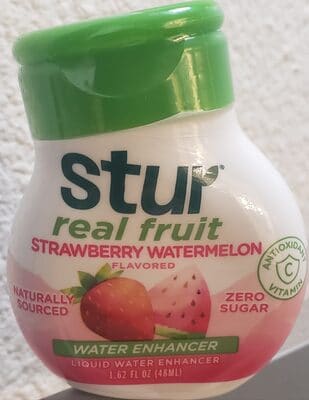
Fruit juices
Stur Real Fruit Strawberry Watermelon
48 mL
Score
- Ultra-processed
- Contains non-nutritive sweeteners
- No synthetic dyes
Why it scores 74
Stur Real Fruit Strawberry Watermelon scores 74 out of 100 (Good) under GoodSwap’s published rules. What moved the score most:
- minus 18 points Ultra-processed (NOVA 4): Classified NOVA 4: made with industrial ingredients and additives. Strong
- minus 3 points 3 kinds of ultra-processing markers: Industrial additive classes found: color (added), flavoring and non-nutritive sweetener. Emerging
- minus 2.5 points Natural flavors: "Natural flavor" is a legal category (21 CFR 101.22(a)(3)): flavor substances from spices, fruits, vegetables, meat, dairy or fermentation. Info
Every line of the math is on The Receipt below, with its evidence tier and sources.
Better drink mixes and water enhancers
-
 Fruit Infusions True Lemon · .26 oz/7.5 g Not ultra-processed · No non-nutritive sweeteners Score 98 out of 100 , 24 points higher
 -
 Fruit Infusions: Lemon Raspberry True Lemon · .26 oz/7.5 g Not ultra-processed · No non-nutritive sweeteners Score 98 out of 100 , 24 points higher
 -
 Metabolic Super Fruit & Vegetable Drink Mix Metabolic Research Center Not ultra-processed · No non-nutritive sweeteners Score 91 out of 100 , 17 points higher
 -
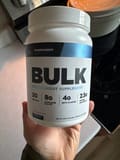 BULK Pre-Workout - Strawberry Kiwi Transparent Labs · 615 g Not ultra-processed · No non-nutritive sweeteners Score 95 out of 100 , 21 points higher
The same kind of product, at least 10 points higher, sold in the US. Never paid placements.
The Receipt
Real Fruit Strawberry Watermelon
Ingredients
- Natural flavors minus 2.5 points
- Stevia (steviol glycosides) minus 2.5 points
Processing
- Ultra-processed (NOVA 4) minus 18 points
- 3 kinds of ultra-processing markers minus 3 points
100 − 26 = 74
Nutrition per 100 ml
| Energy | 0 kcal |
|---|---|
| Fat | 0 g |
| Saturated fat | 0 g |
| Trans fat | 0 g |
| Carbohydrates | 0 g |
| Sugars | 0 g |
| Added sugars | 0 g |
| Fiber | 0 g |
| Protein | 0 g |
| Salt | 0 g |
Serving: 2 ml (1 squeeze)
Ingredients
- Fruit & Flavor Blend (Natural Flavor, White Grape Juice^, Strawberry Juice, Watermelon Juice^)
- Purified Water
- Citric Acid
- Vegetable Juice (Color)
- Ascorbic Acid (Vitamin C)
- Malic Acid
- Natural Stevia Leaf Extract (Reb A)
- Reb M
Label text, as published
Fruit & Flavor Blend* (Natural Flavor, White Grape Juice^, Strawberry Juice, Watermelon Juice^), Purified Water, Citric Acid, Vegetable Juice (Color), Ascorbic Acid (Vitamin C), Malic Acid, Natural Stevia Leaf Extract (Reb A), Reb M.
Allergens and diets
- Palm-oil-free
Always check the package: recipes change.
Packaging
Hdpe 2 high density polyethylene, Plastic
Context only: no points in v1.
More fruit juices on GoodSwap
-
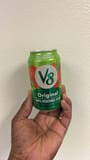 Original 100% Vegetable Juice V8 · 11.5 fl oz (340 mL) Ultra-processedNo synthetic dyes Score 67 out of 100 Good
 -
 Green Goodness 100% Juice Smoothie Bolthouse Farms · 1540 g Ultra-processedContains added sugarsContains whole grains Score 44 out of 100 Okay
 -
 Coconut Juice 520 ml Foco · 1.12 - 2.10 Contains added sugars Score 58 out of 100 Okay
 -
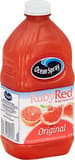 Ruby Red Grapefruit Juice Drink Ocean Spray · 251 g Ultra-processedContains added sugarsNo synthetic dyes Score 41 out of 100 Okay
 -
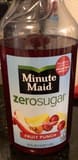 Fruit Punch - Zero Sugar Minute Maid · 52 fl oz Ultra-processedContains non-nutritive sweetenersNo synthetic dyes Score 48 out of 100 Okay
 -
 Berry Boost Bolthouse Farms · 450 mL Ultra-processedContains added sugarsNo additives Score 43 out of 100 Okay
More from Stur
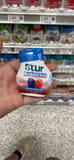
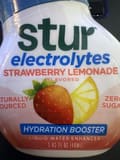
Sources
-
21 CFR 101.22 Foods; labeling of spices, flavorings, colorings and chemical preservatives
“whose significant function in food is flavoring rather than nutritional.”
ecfr.gov
-
WHO advises not to use non-sugar sweeteners for weight control in newly released guideline
“The recommendation is based on the findings of a systematic review of the available evidence which suggests that use of NSS does not confer any long-term benefit in reducing body fat in adults or children.”
who.int
-
Dietary Guidelines for Americans, 2025–2030
“Limit foods and beverages that include artificial flavors, petroleum-based dyes, artificial preservatives, and low-calorie non-nutritive sweeteners.”
cdn.realfood.gov
-
“Greater exposure to ultra-processed food was associated with a higher risk of adverse health outcomes, especially cardiometabolic, common mental disorder, and mortality outcomes.”
doi.org