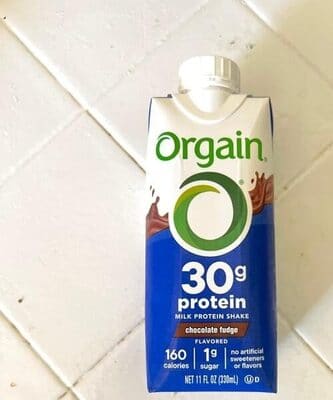
Protein shakes
Orgain Chocolate Fudge Milk Protein Shake
11 fl oz/330 mL/5.94 L
Score
- Contains non-nutritive sweeteners
- Contains seed oils
Why it scores 96
Orgain Chocolate Fudge Milk Protein Shake scores 96 out of 100 (Excellent) under GoodSwap’s published rules. What moved the score most:
- minus 1 points Milk protein concentrate / isolate: An ingredient typical of ultra-processed foods (NOVA group 4). Info
- minus 1 points Sunflower oil: High in omega-6 linoleic acid. Emerging
- minus 1 points Monk fruit extract: WHO (2023) recommends against using non-sugar sweeteners to control body weight (conditional recommendation); US dietary guidelines advise limiting them. Emerging
Every line of the math is on The Receipt below, with its evidence tier and sources.
The Receipt
Chocolate Fudge Milk Protein Shake
Ingredients
- Milk protein concentrate / isolate minus 1 points
- Sunflower oil minus 1 points
- Monk fruit extract minus 1 points
- Stevia (steviol glycosides) minus 0.5 points
- Natural flavors minus 0.5 points
- Gellan gum minus 0.5 points
100 − 4.5 = 95.5 → 96
Nutrition per 100 g
| Energy | 48 kcal |
|---|---|
| Fat | 0.9 g |
| Saturated fat | 0.2 g |
| Trans fat | 0 g |
| Carbohydrates | 1.2 g |
| Sugars | 0.3 g |
| Added sugars | 0 g |
| Fiber | 0.3 g |
| Protein | 9.1 g |
| Salt | 0.2 g |
Serving: 0g
Ingredients
- FILTERED WATER
- MILK PROTEIN ISOLATE
- ORGANIC On (330mL) ALKALIZED COCOA
- ORGANIC HIGH OLEIC SUNFLOWER OIL
- SUNFLOWER 160 LECITHIN
- SEA SALT
- MONK FRUIT % Daily Value 4% 3% EXTRACT
- STEVIA EXTRACT
- POTASSIUM CITRATE
- NATURAL FLAVORS
- GELLAN GUM
Label text, as published
FILTERED WATER, MILK PROTEIN ISOLATE, CONTAINS LESS THAN 2% OF ORGANIC On (330mL) ALKALIZED COCOA, ORGANIC HIGH OLEIC SUNFLOWER OIL, SUNFLOWER 160 LECITHIN, SEA SALT, MONK FRUIT % Daily Value 4% 3% EXTRACT, STEVIA EXTRACT, POTASSIUM CITRATE, NATURAL FLAVORS, GELLAN GUM. CONTAINS: MILK 8%
Allergens and diets
Contains: Milk
- Not vegan
- Palm-oil-free
Always check the package: recipes change.
More protein shakes on GoodSwap
-
 High Quality Protein Fairlife · 11.5 fl oz (340 mL) Contains non-nutritive sweetenersContains emulsifiers studied for gut effects Score 84 out of 100 Excellent
 -
 Core Power High Protein Milk Shake Chocolate Fairlife · 14 oz Ultra-processedContains non-nutritive sweetenersContains emulsifiers studied for gut effects Score 46 out of 100 Okay
 -
 CORE POWER High Protein Milk Shake Chocolate Rlife · 414 mL Ultra-processedContains non-nutritive sweetenersContains emulsifiers studied for gut effects Score 51 out of 100 Okay
 -
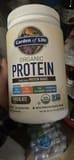 Organic Protein Garden of Life · 544 g. Ultra-processedHigh in saltContains non-nutritive sweetenersContains sugar alcohols Score 53 out of 100 Okay
 -
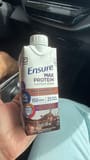 Ensure Max Protein nutrition shake MILK CHOCOLATE Ensure · 330 mL Contains non-nutritive sweetenersContains emulsifiers studied for gut effectsContains seed oilsContains artificial flavors Score 78 out of 100 Good
 -
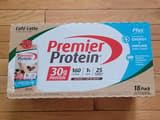 Premier protein Premier Protein · 5.85 L Contains non-nutritive sweetenersContains emulsifiers studied for gut effectsContains seed oilsContains caffeine Score 77 out of 100 Good
More from Orgain
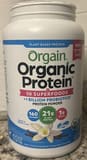
Sources
-
“replacement of saturated fat in the diet with linoleic acid effectively lowers serum cholesterol but does not support the hypothesis that this translates to a lower risk of death from coronary heart disease or all causes.”
doi.org
-
“These data provide support for current recommendations to replace saturated fat with polyunsaturated fat for primary prevention of CHD.”
doi.org
-
WHO advises not to use non-sugar sweeteners for weight control in newly released guideline
“The recommendation is based on the findings of a systematic review of the available evidence which suggests that use of NSS does not confer any long-term benefit in reducing body fat in adults or children.”
who.int
-
Dietary Guidelines for Americans, 2025–2030
“Limit foods and beverages that include artificial flavors, petroleum-based dyes, artificial preservatives, and low-calorie non-nutritive sweeteners.”
cdn.realfood.gov
-
21 CFR 101.22 Foods; labeling of spices, flavorings, colorings and chemical preservatives
“whose significant function in food is flavoring rather than nutritional.”
ecfr.gov