Protein bars
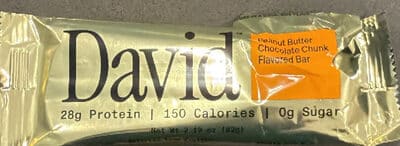
David Peanut Butter Chocolate Chunk Flavored Bar
2.1 oz
Score
- Ultra-processed
- Contains non-nutritive sweeteners
- Contains palm oil
- Seed-oil free
Why it scores 73
David Peanut Butter Chocolate Chunk Flavored Bar scores 73 out of 100 (Good) under GoodSwap’s published rules. What moved the score most:
- minus 18 points Ultra-processed (NOVA 4): Classified NOVA 4: made with industrial ingredients and additives. Strong
- minus 7.5 points Acesulfame potassium (Ace-K): In the NutriNet-Santé cohort, acesulfame-K intake was associated with higher cancer risk; cause and effect is not established. Strong
- plus 4 points Protein 45.2 g / 100 g: A good source of protein. Info
Every line of the math is on The Receipt below, with its evidence tier and sources.
Better protein bars
-
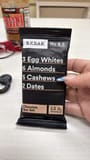 Chocolate Sea Salt RXBAR No non-nutritive sweeteners · No palm oil Score 83 out of 100 , 10 points higher
 -
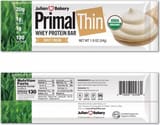 Primal thin protein bar | sweet cream | organic Julian Bakery · 1.9 oz/54 g No palm oil · No acesulfame potassium (Ace-K) Score 85 out of 100 , 12 points higher
The same kind of product, at least 10 points higher, sold in the US. Never paid placements.
The Receipt
Peanut Butter Chocolate Chunk Flavored Bar
Ingredients
- Acesulfame potassium (Ace-K) minus 7.5 points
- Palm oil minus 2.5 points
Processing
- Ultra-processed (NOVA 4) minus 18 points
Nutrition per 100 g
- Saturated fat 2 g / 100 g minus 1 points
- Salt 0.5 g / 100 g minus 1 points
- Energy 242 kcal / 100 g minus 1 points
- Protein 45.2 g / 100 g plus 4 points
100 − 27 = 73
Nutrition per 100 g
| Energy | 242 kcal |
|---|---|
| Fat | 4 g |
| Saturated fat | 2 g |
| Trans fat | 0 g |
| Carbohydrates | 19.4 g |
| Sugars | 2.8 g |
| Fiber | 2 g |
| Protein | 45.2 g |
| Salt | 0.5 g |
Serving: 1 serving (62 g)
Ingredients
- Sistema proteico (proteína aislada de leche, colágeno, clara de huevo) (not recognized)
- proteína concentrada de suero de leche
- aislante de maltodextrina (not recognized)
- jarabe de maíz (not recognized)
- glicerina (not recognized)
- almidón de tapioca
- carbonato de calcio (not recognized)
- lecitina de girasol (not recognized)
- sistema de grasas (cera vegetal modificada E-PEG, aceite de palma) (not recognized)
- fibra soluble vegetal (not recognized)
- chocolate con leche procesado a la holandesa (not recognized)
- chocolate sin azúcar
- sal
- saborizantes naturales y artificiales (not recognized)
- harina de maíz (not recognized)
- extracto de maní (not recognized)
- sucralosa (not recognized)
- acesulfame de potasio (moderate concern)
Label text, as published
Sistema proteico (proteína aislada de leche, colágeno, clara de huevo), proteína concentrada de suero de leche, aislante de maltodextrina, jarabe de maíz, glicerina, almidón de tapioca, carbonato de calcio, lecitina de girasol, sistema de grasas (cera vegetal modificada E-PEG, aceite de palma), fibra soluble vegetal, chocolate con leche procesado a la holandesa, chocolate sin azúcar, sal, saborizantes naturales y artificiales, harina de maíz, extracto de maní, sucralosa, acesulfame de potasio.
Allergens and diets
Contains: Milk, Peanuts, Soy, Egg
May contain: Tree nuts, Sesame
- Not vegan
- Not vegetarian
- Not palm-oil-free
Always check the package: recipes change.
More protein bars on GoodSwap
-
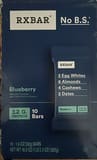 Blueberry RXBAR RXBAR · 52 g Ultra-processedHigh in sugarNo additives Score 64 out of 100 Good
 -
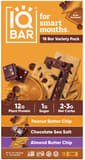 Iq Bar 18 Protein Bar Variety Pack IQ Bar · 816 g Seed-oil free Score 97 out of 100 Excellent
 -
 Protein Bars RXBAR Score 99 out of 100 Excellent
 -
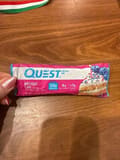 Birthday Cake Protein Bar Quest · 2.12 oz, 60 g Ultra-processedHigh in saturated fatContains non-nutritive sweetenersContains sugar alcohols Score 43 out of 100 Okay
 -
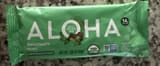 Chocolate Mint Plant-based Protein Bar Aloha · 56 g Ultra-processedHigh in saturated fatContains non-nutritive sweetenersContains added sugars Score 24 out of 100 Poor
 -
 PURE PROTEIN Chocolate Deluxe Gluten Free Bar Pure Protein · 21.16 oz/600 g Ultra-processedHigh in saturated fatContains non-nutritive sweetenersContains added sugars Score 24 out of 100 Poor
More from David
Sources
-
Artificial sweeteners and cancer risk: Results from the NutriNet-Santé population-based cohort study
“In this large cohort study, artificial sweeteners (especially aspartame and acesulfame-K), which are used in many food and beverage brands worldwide, were associated with increased cancer risk.”
doi.org
-
Re-evaluation of acesulfame K (E 950) as food additive (plain language summary)
“The acceptable daily intake (ADI) considered safe for all population groups was set at 15 mg/kg body weight (bw) per day.”
efsa.europa.eu
-
WHO advises not to use non-sugar sweeteners for weight control in newly released guideline
“The recommendation is based on the findings of a systematic review of the available evidence which suggests that use of NSS does not confer any long-term benefit in reducing body fat in adults or children.”
who.int
-
Dietary Guidelines for Americans, 2025–2030
“Limit foods and beverages that include artificial flavors, petroleum-based dyes, artificial preservatives, and low-calorie non-nutritive sweeteners.”
cdn.realfood.gov
-
Saturated fatty acid and trans-fatty acid intake for adults and children: WHO guideline
“WHO recommends that adults and children reduce saturated fatty acid intake to 10% of total energy intake (strong recommendation).”
who.int
-
Process contaminants in vegetable oils and foods
“The highest levels of GE, as well as 3-MCPD and 2-MCPD (including esters) were found in palm oils and palm fats, followed by other oils and fats.”
efsa.europa.eu
-
“Glycidyl fatty acid esters, expressed as glycidol”
eur-lex.europa.eu
-
“For adults, WHO recommends less than 2000 mg/day of sodium (equivalent to less than 5 g/day salt), or just under a teaspoon.”
who.int
-
“Greater exposure to ultra-processed food was associated with a higher risk of adverse health outcomes, especially cardiometabolic, common mental disorder, and mortality outcomes.”
doi.org