Beverages
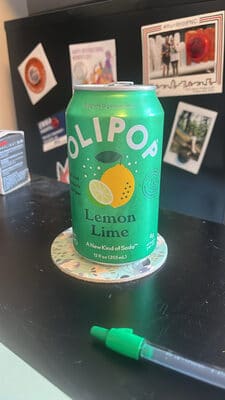
OLIPOP Lemon Lime
12 fl oz/355 mL
Score
- Contains non-nutritive sweeteners
- Contains added sugars
Why it scores 48
OLIPOP Lemon Lime scores 48 out of 100 (Okay) under GoodSwap’s published rules. What moved the score most:
- minus 20 points Fruit juice concentrate (sweetener): An added sugar. Strong
- minus 18 points Ultra-processed (NOVA 4, estimated): No NOVA group on file; estimated from 3 kinds of ultra-processing markers. Strong
- minus 3 points 3 kinds of ultra-processing markers: Industrial additive classes found: bulking agent, industrial sugar or starch hydrolysate and non-nutritive sweetener. Emerging
Every line of the math is on The Receipt below, with its evidence tier and sources.
Better sodas
-
 Watermelon Lime OLIPOP No added sugars · No fruit juice concentrate (sweetener) Score 91 out of 100 , 43 points higher
 -
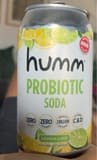 Probiotic soda- lemon lime Humm · 12 fl oz/355 mL No non-nutritive sweeteners · No fruit juice concentrate (sweetener) Score 75 out of 100 , 27 points higher
 -
 Lemon Lime Evolution No added sugars · No fruit juice concentrate (sweetener) Score 73 out of 100 , 25 points higher
 -
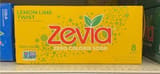 Lemon Lime Twist Soda Zevia · 96 fl oz/2.8 L No added sugars · No fruit juice concentrate (sweetener) Score 95 out of 100 , 47 points higher
 -
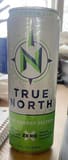 Cucumber Lime True North · 12 fl oz No non-nutritive sweeteners · No added sugars Score 95 out of 100 , 47 points higher
The same kind of product, at least 10 points higher, sold in the US. Never paid placements.
The Receipt
Lemon Lime
Ingredients
- Fruit juice concentrate (sweetener) minus 20 points
- Inulin (chicory root fiber) minus 2.5 points
- Stevia (steviol glycosides) minus 2.5 points
Processing
- Ultra-processed (NOVA 4, estimated) minus 18 points
- 3 kinds of ultra-processing markers minus 3 points
Nutrition per 100 ml
- Sugars 1.1 g / 100 ml minus 3 points
- Energy 40 kcal / 100 ml minus 3 points
100 − 52 = 48
Can’t score above 79. Contains fruit juice concentrate (sweetener), an ingredient of high concern. [1][2][3]
Nutrition per 100 ml
| Energy | 40 kcal |
|---|---|
| Fat | 0 g |
| Carbohydrates | 4.5 g |
| Sugars | 1.1 g |
| Added sugars | 1 g |
| Fiber | 2.5 g |
| Protein | 0 g |
| Salt | 0.1 g |
Serving: 1 can (355 ml)
Ingredients
- carbonated water
- olismart (cassava root fiber, chicory root inulin, jerusale artichoke inulin, nopal cactus, marshmallow root, calendula flower, kudzu root) (not recognized)
- quince juice concentrate
- lemon juice
- apple juice concentrate (high concern)
- cassava root syrup
- key lime juice concentrate
- stevia leaf
- himalayan pink salt
- natural key lime flavor *extract owered iron a tot
Label text, as published
carbonated water, olismart (cassava root fiber, chicory root inulin, jerusale artichoke inulin, nopal cactus*, marshmallow root*, calendula flower*, kudzu root*), quince juice concentrate, lemon juice, apple juice concentrate, cassava root syrup, key lime juice concentrate, stevia leaf*, himalayan pink salt, natural key lime flavor *extract owered iron a tot
More beverages on GoodSwap
-
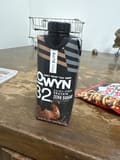 OWYN Pro Elite Dairy-Free Protein Chocolate Flavored OWYN · 330 mL Ultra-processedContains non-nutritive sweetenersContains seed oils Score 63 out of 100 Good
 -
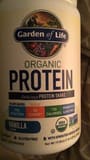 Organic Protein Delicious Protein Shake Garden of Life · 18.0 oz Ultra-processedHigh in saltContains non-nutritive sweetenersContains sugar alcohols Score 54 out of 100 Okay
 -
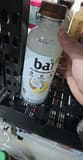 Puna Coconut Pineapple Bai Ultra-processedContains non-nutritive sweetenersContains caffeine Score 69 out of 100 Good
 -
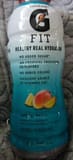 Gatorade fit Gatorade · 16.9 fl oz/1.05 PT/500 mL Ultra-processedContains non-nutritive sweetenersNo synthetic dyes Score 73 out of 100 Good
 -
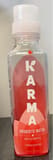 Probiotic Water Berry Cherry Karma · 18 fl oz/532 mL Ultra-processedContains non-nutritive sweetenersContains added sugarsNo synthetic dyes Score 50 out of 100 Okay
 -
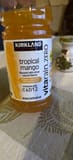 Tropical Mango Flavored with Other Natural Flavors Kirkland Signature · 20 fl oz Ultra-processedContains non-nutritive sweetenersNo synthetic dyes Score 62 out of 100 Good
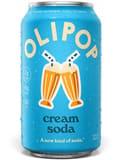
More from OLIPOP
Sources
-
Guideline: sugars intake for adults and children
“In both adults and children, WHO recommends reducing the intake of free sugars to less than 10% of total energy intake”
who.int
-
Dietary Guidelines for Americans, 2025–2030
“Limit foods and beverages that include artificial flavors, petroleum-based dyes, artificial preservatives, and low-calorie non-nutritive sweeteners.”
cdn.realfood.gov
-
Added and free sugars should be as low as possible
“Sugar consumption is a known cause of dental caries.”
efsa.europa.eu
-
WHO advises not to use non-sugar sweeteners for weight control in newly released guideline
“The recommendation is based on the findings of a systematic review of the available evidence which suggests that use of NSS does not confer any long-term benefit in reducing body fat in adults or children.”
who.int