Protein powders
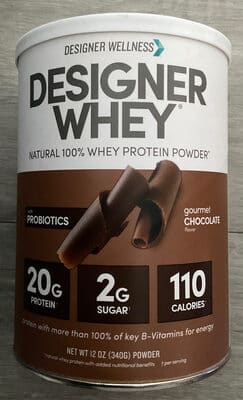
Designer Wellness Natural 100% Whey Protein Powder
340 g
Score
- Contains non-nutritive sweeteners
Why it scores 95
Designer Wellness Natural 100% Whey Protein Powder scores 95 out of 100 (Excellent) under GoodSwap’s published rules. What moved the score most:
- minus 1 points Whey protein concentrate / isolate: An ingredient typical of ultra-processed foods (NOVA group 4). Info
- minus 1 points Natural flavors: "Natural flavor" is a legal category (21 CFR 101.22(a)(3)): flavor substances from spices, fruits, vegetables, meat, dairy or fermentation. Info
- minus 1 points Sunflower lecithin: An additive class typical of ultra-processed foods (NOVA group 4). Info
Every line of the math is on The Receipt below, with its evidence tier and sources.
The Receipt
Natural 100% Whey Protein Powder
Ingredients
- Whey protein concentrate / isolate minus 1 points
- Natural flavors minus 1 points
- Sunflower lecithin minus 1 points
- Calcium phosphate minus 0.5 points
- Xanthan gum minus 0.5 points
- Sodium alginate minus 0.5 points
- Stevia (steviol glycosides) minus 0.5 points
- Monk fruit extract minus 0.5 points
100 − 5.5 = 94.5 → 95
Nutrition per 100 g
| Energy | 324 kcal |
|---|---|
| Fat | 4.8 g |
| Saturated fat | 3.2 g |
| Trans fat | 0 g |
| Carbohydrates | 19.4 g |
| Sugars | 6.5 g |
| Added sugars | 2.9 g |
| Fiber | 9.7 g |
| Protein | 64.5 g |
| Salt | 0.7 g |
Serving: 2 scoop (31 g)
Ingredients
- Designer whey full spectrum peptides: (gmo-free & rbgh-free whey protein concentrate, gmo-free & rbgh-free whey protein isolate, l-glutamine, l-leucine, taurine, l-phenylalanine)
- digestive health blend: (gmo-free prebiotic vegetable fiber, probiotics:, vegetarian protease enzymes) (not recognized)
- alkalized cocoa
- natural flavors
- sunflower lecithin
- electrolyte blend: (calcium phosphate, magnesium oxide)
- dried cream extract
- b-vitamin blend: (calcium pantothenate, pyridoxine hydrochloride, thiamin mononitrate, riboflavin)
- zinc gluconate
- xanthan gum
- sodium alginate
- stevia leaf extract
- monk fruit
- mixed tocopherols
- vitamin d3 (cholecalciferol)
Label text, as published
Designer whey full spectrum peptides: (gmo-free & rbgh-free whey protein concentrate, gmo-free & rbgh-free whey protein isolate, l-glutamine, l-leucine, taurine, l-phenylalanine), digestive health blend: [gmo-free prebiotic vegetable fiber*, probiotics: (lactobacillus acidophilus, b. longum, l. plantarum), vegetarian protease enzymes], alkalized cocoa, natural flavors, sunflower lecithin, electrolyte blend: (calcium phosphate, magnesium oxide), dried cream extract, b-vitamin blend: (calcium pantothenate, pyridoxine hydrochloride, thiamin mononitrate, riboflavin), zinc gluconate, xanthan gum, sodium alginate, stevia leaf extract, monk fruit, mixed tocopherols, vitamin d3 (cholecalciferol).
Allergens and diets
Contains: Milk
- Not vegan
- Palm-oil-free
Always check the package: recipes change.
More protein powders on GoodSwap
-
 Organic Protein Orgain · 43.2 oz (2.7 lb) 1.22 kg Contains non-nutritive sweetenersContains sugar alcoholsContains seed oilsCertified organic Score 89 out of 100 Excellent
 -
 Organic Protein Orgain · 1.2 kg Contains non-nutritive sweetenersContains sugar alcoholsContains seed oilsCertified organic Score 89 out of 100 Excellent
 -
 Protein powder Optimum Nutrition · 80 × 31 g Contains non-nutritive sweetenersContains emulsifiers studied for gut effectsContains artificial flavors Score 83 out of 100 Excellent
 -
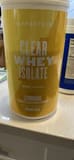 Clear Whey Isolate Myprotein Contains non-nutritive sweetenersContains artificial flavors Score 88 out of 100 Excellent
 -
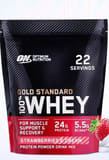 Whey Protein Strawberries and Cream Optimum Nutrition · 1.5 lb/682 g Contains non-nutritive sweetenersContains artificial flavorsNo synthetic dyes Score 90 out of 100 Excellent
 -
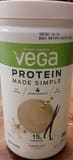 Protein Made Simple Vega · 9.2 oz/259 g Ultra-processedHigh in sugarHigh in saltContains added sugars Score 40 out of 100 Okay
Sources
-
21 CFR 101.22 Foods; labeling of spices, flavorings, colorings and chemical preservatives
“whose significant function in food is flavoring rather than nutritional.”
ecfr.gov
-
EFSA issues new advice on phosphates
“We estimated that dietary exposure to phosphates may exceed the new ADI for infants, toddlers and children with average consumption of phosphates in their diet.”
efsa.europa.eu
-
WHO advises not to use non-sugar sweeteners for weight control in newly released guideline
“The recommendation is based on the findings of a systematic review of the available evidence which suggests that use of NSS does not confer any long-term benefit in reducing body fat in adults or children.”
who.int
-
Dietary Guidelines for Americans, 2025–2030
“Limit foods and beverages that include artificial flavors, petroleum-based dyes, artificial preservatives, and low-calorie non-nutritive sweeteners.”
cdn.realfood.gov