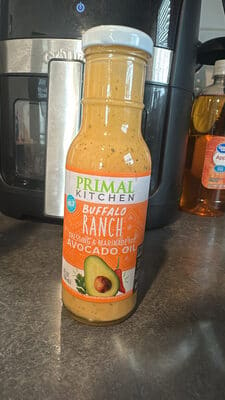
Salad dressings
Primal Kitchen Buffalo Ranch Dressing & Marinade
8 fl oz/236 mL
Score
- Ultra-processed
- High in salt
- Seed-oil free
Why it scores 70
Primal Kitchen Buffalo Ranch Dressing & Marinade scores 70 out of 100 (Good) under GoodSwap’s published rules. What moved the score most:
- minus 18 points Ultra-processed (NOVA 4): Classified NOVA 4: made with industrial ingredients and additives. Strong
- minus 9 points Salt 3 g / 100 g: Very high in salt. Strong
- minus 3 points Saturated fat 3.3 g / 100 g: High in saturated fat. Strong
Every line of the math is on The Receipt below, with its evidence tier and sources.
Better ranch dressing
-
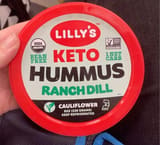 Keto hummus Ranch Dill Lilly's Not ultra-processed · Less salt Score 100 out of 100 , 30 points higher
 -
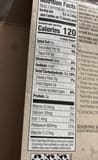 Homestyle Ranch Mini Creamer Potatoes Taste Of Inspirations · 16 oz Not ultra-processed · Less salt Score 100 out of 100 , 30 points higher
 -
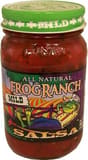 Frog ranch salsa mild Not ultra-processed · Less salt Score 100 out of 100 , 30 points higher
 -
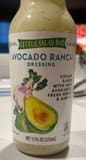 Avocado Ranch Dressing Little Salad Bar · 11 fl oz (325 mL) Not ultra-processed · Less salt Score 87 out of 100 , 17 points higher
The same kind of product, at least 10 points higher, sold in the US. Never paid placements.
The Receipt
Buffalo Ranch Dressing & Marinade
Processing
- Ultra-processed (NOVA 4) minus 18 points
Nutrition per 100 g
- Saturated fat 3.3 g / 100 g minus 3 points
- Salt 3 g / 100 g minus 9 points
- Energy 333 kcal / 100 g minus 2 points
- Fiber 3.3 g / 100 g plus 2 points
100 − 30 = 70
Can’t score above 79. High in fat and salt (above the front-of-pack "high" level). [5]
Nutrition per 100 g
| Energy | 333 kcal |
|---|---|
| Fat | 33.3 g |
| Saturated fat | 3.3 g |
| Trans fat | 0 g |
| Carbohydrates | 3.3 g |
| Sugars | 0 g |
| Added sugars | 0 g |
| Fiber | 3.3 g |
| Protein | 0 g |
| Salt | 3 g |
Serving: 2 Tbs (30 ml)
Ingredients
- AVOCADO OIL
- WATER
- CAYENNE PEPPER SAUCE (AGED RED CAYENNE PEPPERS, VINEGAR, SALT, GARLIC)
- ORGANIC APPLE CIDER VINEGAR
- ORGANIC EGG YOLK
- MUSHROOM EXTRACT (TO MAINTAIN FRESHNESS)
- ORGANIC DISTILLED VINEGAR
- ORGANIC GARLIC POWDER
- CITRUS FIBER
- ORGANIC ONION POWDER
- ORGANIC LEMON JUICE CONCENTRATE
- NUTRITIONAL YEAST (INACTIVE DRIED YEAST, RIBOFLAVIN [VITAMIN B2])
- SEA SALT
- ORGANIC PAPRIKA
- SALT
- ORGANIC DRIED PARSLEY
- ORGANIC BLACK PEPPER
- ORGANIC ROSEMARY EXTRACT
Label text, as published
AVOCADO OIL, WATER, CAYENNE PEPPER SAUCE (AGED RED CAYENNE PEPPERS, VINEGAR, SALT, GARLIC), ORGANIC APPLE CIDER VINEGAR, ORGANIC EGG YOLK, MUSHROOM EXTRACT (TO MAINTAIN FRESHNESS), ORGANIC DISTILLED VINEGAR, ORGANIC GARLIC POWDER, CITRUS FIBER, ORGANIC ONION POWDER, ORGANIC LEMON JUICE CONCENTRATE*, NUTRITIONAL YEAST (INACTIVE DRIED YEAST, RIBOFLAVIN [VITAMIN B2]), SEA SALT, ORGANIC PAPRIKA, SALT, ORGANIC DRIED PARSLEY, ORGANIC BLACK PEPPER, ORGANIC ROSEMARY EXTRACT.
Allergens and diets
Contains: Egg
- Not vegan
- Vegetarian
- Palm-oil-free
Always check the package: recipes change.
More salad dressings on GoodSwap
-
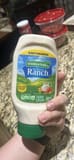 The Original Ranch Condiment & Dressing Hidden Valley · 16 fl oz Ultra-processedHigh in saltHigh in saturated fatContains added sugars Score 27 out of 100 Poor
 -
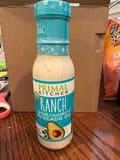 Ranch Dressing & Marinade Primal Kitchen · 8 oz Ultra-processedHigh in saltSeed-oil free Score 70 out of 100 Good
 -
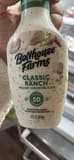 Classic Ranch Yogurt Dressing & Dip Bolthouse Farms · 12 fl oz/355 mL Ultra-processedHigh in saltContains added sugarsContains seed oils Score 34 out of 100 Poor
 -
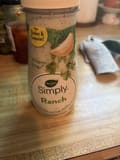 Simply Ranch Marzetti · 12 fl oz/354 mL Ultra-processedHigh in saltContains seed oils Score 61 out of 100 Good
 -
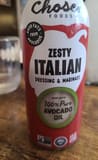 Zesty Italian Chosen Foods · 8 oz No additivesSeed-oil free Score 79 out of 100 Good
 -
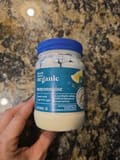 Organic mayonnaise Good & Gather · 15 fl oz/443 mL Ultra-processedHigh in saturated fatContains added sugarsContains seed oils Score 39 out of 100 Poor
More from Primal Kitchen
-
 MAYO Real Mayonnaise made with Avocado Oil Primal Kitchen · 12 fl oz Score 74 out of 100 Good
 -
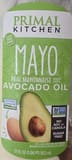 Mayo Real Mayonnaise made with Avocado Oil Primal Kitchen · 17 fl oz/1.06 PT/503 mL Score 74 out of 100 Good
 -
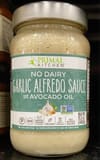 Vegan Garlic Alfredo Pasta Sauce Primal Kitchen · 15 oz/425 g Score 87 out of 100 Excellent
 -
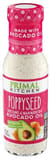 Poppyseed Dressing & Marinade Primal Kitchen · 8 fl oz/236 mL Score 48 out of 100 Okay
Sources
-
Saturated fatty acid and trans-fatty acid intake for adults and children: WHO guideline
“WHO recommends that adults and children reduce saturated fatty acid intake to 10% of total energy intake (strong recommendation).”
who.int
-
“For adults, WHO recommends less than 2000 mg/day of sodium (equivalent to less than 5 g/day salt), or just under a teaspoon.”
who.int
-
Dietary Guidelines for Americans, 2025–2030
“Limit foods and beverages that include artificial flavors, petroleum-based dyes, artificial preservatives, and low-calorie non-nutritive sweeteners.”
cdn.realfood.gov
-
“Table 3: Criteria for drinks (per 100ml)”
assets.publishing.service.gov.uk
-
“Greater exposure to ultra-processed food was associated with a higher risk of adverse health outcomes, especially cardiometabolic, common mental disorder, and mortality outcomes.”
doi.org