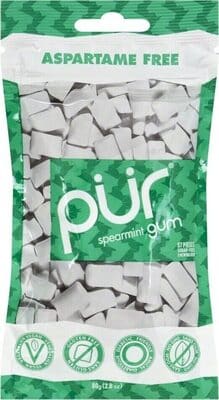
Sugar-free chewing gum
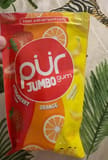
Pur Spearmint Gum
Score
- Ultra-processed
- Contains sugar alcohols
Why it scores 66
Pur Spearmint Gum scores 66 out of 100 (Good) under GoodSwap’s published rules. What moved the score most:
- minus 18 points Ultra-processed (NOVA 4): Classified NOVA 4: made with industrial ingredients and additives. Strong
- minus 4.5 points 4 kinds of ultra-processing markers: Industrial additive classes found: flavoring, glazing agent, sugar alcohol (polyol) and thickener, stabilizer or gelling agent. Emerging
- minus 2.5 points Xylitol: Large amounts can have a laxative effect; the EU requires a label statement above 10% added polyols and the US for some polyols above set intakes. Regulatory
Every line of the math is on The Receipt below, with its evidence tier and sources.
Better chewing gum
-
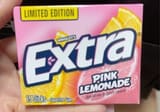 Extra pink lemonade slim pack Extra · 15 Not ultra-processed · No sugar alcohols Score 99 out of 100 , 33 points higher
 -
 Dental defense xylitol gum Spry · 10.8 g Not ultra-processed · No sugar alcohols Score 100 out of 100 , 34 points higher
 -
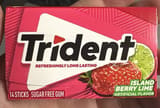 Trident Island Berry Lime, Sugar-Free Gum Trident Not ultra-processed · No sugar alcohols Score 98 out of 100 , 32 points higher
 -
 Starburst Gum Starburst Not ultra-processed · No sugar alcohols Score 97 out of 100 , 31 points higher
 -
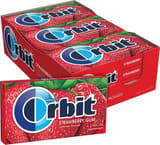 Orbit Strawberry Gum Orbit Not ultra-processed · No sugar alcohols Score 79 out of 100 , 13 points higher
The same kind of product, at least 10 points higher, sold in the US. Never paid placements.
The Receipt
Spearmint Gum
Ingredients
- Xylitol minus 2.5 points
- Gum base minus 2.5 points
- Gum arabic (acacia) minus 2.5 points
- Natural flavors minus 1.5 points
- Carnauba wax minus 1.5 points
Processing
- Ultra-processed (NOVA 4) minus 18 points
- 4 kinds of ultra-processing markers minus 4.5 points
Nutrition per 100 g
- Energy 179 kcal / 100 g minus 1 points
100 − 34 = 66
Nutrition per 100 g
| Energy | 179 kcal |
|---|---|
| Fat | 0 g |
| Carbohydrates | 71.4 g |
| Added sugars | 0 g |
| Protein | 0 g |
| Salt | 0 g |
Serving: 2 PIECES (2.8 g)
Ingredients
Label text, as published
xylitol, gum base, gum arabic, natural flavors, carnauba wax, tocopherols.
Allergens and diets
- Palm-oil-free
Always check the package: recipes change.
Packaging
Plastic
Context only: no points in v1.
More sugar-free chewing gum on GoodSwap
-
 Spearmint Sugarfree Gum Extra · 2.7 g Contains synthetic dyesUltra-processedContains non-nutritive sweetenersContains sugar alcohols Score 32 out of 100 Poor
 -
 Extra Gum Chomps · 15 sticks Contains synthetic dyesUltra-processedContains non-nutritive sweetenersContains sugar alcohols Score 31 out of 100 Poor
 -
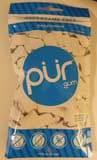 Peppermint Gum Pür Gum · 77 g Ultra-processedContains sugar alcohols Score 63 out of 100 Good
 -
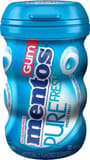 Pure Fresh Fresh Mint Mentos Contains synthetic dyesUltra-processedContains non-nutritive sweetenersContains sugar alcohols Score 23 out of 100 Poor
 -
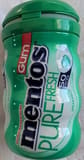 Mentos Pure Fresh Gum Spearmint Mentos · 100 g Contains synthetic dyesUltra-processedContains non-nutritive sweetenersContains added sugars Score 23 out of 100 Poor
 -
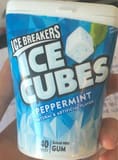 Ice breaker ice cubes peppermint Ice Breakers Contains synthetic dyesUltra-processedContains non-nutritive sweetenersContains sugar alcohols Score 26 out of 100 Poor
More from Pur
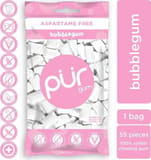
Sources
-
Regulation (EU) No 1169/2011, Annex III point 2.4 (foods with more than 10 % added polyols)
“‘excessive consumption may produce laxative effects’.”
eur-lex.europa.eu
-
21 CFR 101.22 Foods; labeling of spices, flavorings, colorings and chemical preservatives
“whose significant function in food is flavoring rather than nutritional.”
ecfr.gov
-
Dietary Guidelines for Americans, 2025–2030
“Limit foods and beverages that include artificial flavors, petroleum-based dyes, artificial preservatives, and low-calorie non-nutritive sweeteners.”
cdn.realfood.gov
-
“Greater exposure to ultra-processed food was associated with a higher risk of adverse health outcomes, especially cardiometabolic, common mental disorder, and mortality outcomes.”
doi.org