Energy drinks
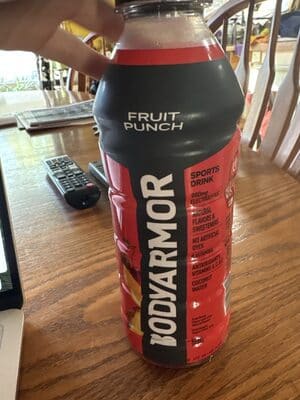
Bodyarmor Fruit Punch
20 fl oz
Score
- Ultra-processed
- Contains added sugars
Why it scores 46
Bodyarmor Fruit Punch scores 46 out of 100 (Okay) under GoodSwap’s published rules. What moved the score most:
- minus 20 points Sugar: An added sugar. Strong
- minus 18 points Ultra-processed (NOVA 4): Classified NOVA 4: made with industrial ingredients and additives. Strong
- minus 12 points Sugars 5.2 g / 100 ml: Very high in sugar. Strong
Every line of the math is on The Receipt below, with its evidence tier and sources.
Better sports and electrolyte drinks
-
 Gatorade Zero (fruit punch) Gatorade · 12 fl oz/355 mL Not ultra-processed · No added sugars Score 90 out of 100 , 44 points higher
 -
 Gatorade thirst quencher Gatorade Not ultra-processed · No added sugars Score 89 out of 100 , 43 points higher
 -
 Fruit Punch Hydration Beverage Zico · 16.9 fl oz/500 mL Not ultra-processed Score 67 out of 100 , 21 points higher
 -
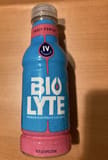 IV in a bottle- fruit punch Biolyte · 16 oz No added sugars · No sugar Score 65 out of 100 , 19 points higher
 -
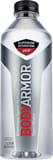 Electrolyte sport water Body Armor Nutrition · 33.8 fl oz Not ultra-processed · No added sugars Score 98 out of 100 , 52 points higher
The same kind of product, at least 10 points higher, sold in the US. Never paid placements.
The Receipt
Fruit Punch
Ingredients
- Sugar minus 20 points
- Natural flavors minus 2.5 points
Processing
- Ultra-processed (NOVA 4) minus 18 points
Nutrition per 100 ml
- Sugars 5.2 g / 100 ml minus 12 points
- Energy 22 kcal / 100 ml minus 2 points
100 − 54.5 = 45.5 → 46
Can’t score above 79. Contains sugar, an ingredient of high concern. [1][2][3]
Nutrition per 100 ml
| Energy | 22 kcal |
|---|---|
| Fat | 0 g |
| Carbohydrates | 5.4 g |
| Sugars | 5.2 g |
| Added sugars | 4.9 g |
| Protein | 0 g |
| Salt | 0 g |
Serving: 1 bottle (20 fl oz)
Ingredients
- 25% Lecting 50% Helmsipilcani source of saturater codesterol (not recognized)
- delary fiber
- vitamin D
- trans fat (not recognized)
- SO a % Daly Value rum and iron Filtered Water
- Pure Cane Sugar (high concern)
- Coconut Water Concentrate Vitri: Acid
- Dipotasstum Phasohate (Electrolyte) (not recognized)
- Vegetable Ju e Concentrate (Color)
- Ascorbic Acid (Vitam 5 c)
- Magnesium Oxide (Electrolvte) Natural Fruit Punch Flavor with other Natural Flavors
- Calcium D-Pantothenate (Vitamin 85) (Electrolyte, Natamin B3)
- appa-Tocophery i Acetate (Vitamin E) (not recognized)
- Zing ONiGe (Electrolyte) (not recognized)
- Gun Arabic (not recognized)
- placiname A droanion de (Vill min B6) (not recognized)
- Vitamin (not recognized)
- Palmitate (vitamin A) (not recognized)
- fol Acid (Vidlyte) (not recognized)
- Gur Cyanocobalamin (Viramin BI 83001 iN)
Label text, as published
NO COLORS FROM ARTIFICIALSOURCES 10% Coconut Water Nutrition Facts Serving size 1 Bottle her serving Calories 150 % DV* Total Fatig 0% Sodium 40 mg 2% Total Carbohydrate 36g 13% Total Sugars 36g Includes 34g Added Sugars 68% Protein Og bitesim 86mg 20% Vitamin A 790mcg 90% Marin C75mg 90% Vitamin E 13mg 90% Bain Any 130% Vitamin B6 21mg 120% Fire tone UFE 2N% • Vlamin B12 3mcg 130% plinghl, aid Fartierce Aid 63ng 130% * Magnesium 95mg 25% Lecting 50% Helmsipilcani source of saturater codesterol, delary fiber, vitamin D, trans fat, SO a % Daly Value rum and iron Filtered Water, Pure Cane Sugar, Coconut Water Concentrate Vitri: Acid, Dipotasstum Phasohate (Electrolyte), Vegetable Ju e Concentrate (Color), Ascorbic Acid (Vitam 5 c), Magnesium Oxide (Electrolvte) Natural Fruit Punch Flavor with other Natural Flavors, Calcium D-Pantothenate (Vitamin 85) (Electrolyte, Natamin B3), appa-Tocophery i Acetate (Vitamin E), Zing ONiGe (Electrolyte), Gun Arabic, placiname A droanion de (Vill min B6), Vitamin , Palmitate (vitamin A), fol Acid (Vidlyte), Gur Cyanocobalamin (Viramin BI 83001 iN
More energy drinks on GoodSwap
-
 Tropical Vibe Sparkling Starfruit Pineapple Edition Celsius · 12 fl oz (355 mL) Ultra-processedContains non-nutritive sweetenersContains caffeineNo synthetic dyes Score 66 out of 100 Good
 -
 Sparkling Kiwi Guava Celsius · 12 fl oz (355 mL) Ultra-processed Score 79 out of 100 Good
 -
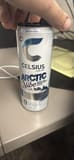 ARCTIC Vibe SPARKLING FROZEN ENERGY EDITION Celsius · 12 fl oz Ultra-processedContains non-nutritive sweetenersContains caffeineNo synthetic dyes Score 66 out of 100 Good
 -
 Sparkling Grape Rush Celsius · 12 fl oz Ultra-processedContains non-nutritive sweetenersContains caffeineNo synthetic dyes Score 66 out of 100 Good
 -
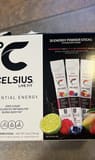 Essential Energy Celsius · 5.5 oz Ultra-processedContains non-nutritive sweetenersContains caffeineNo synthetic dyes Score 57 out of 100 Okay
 -
 Energy Alani Nu · 12 oz Ultra-processedContains non-nutritive sweetenersContains sugar alcoholsContains caffeine Score 46 out of 100 Okay
More from Bodyarmor
-
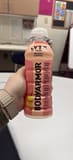 Lyte Peach Mango Sports Drink Bodyarmor · 20 oz Score 62 out of 100 Good
 -
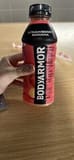 BODYARMOR Sports Drink Strawberry Banana Bodyarmor · 16 fl oz/473 mL Score 36 out of 100 Poor
 -
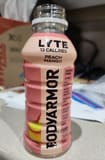 Lyte Sports Drink Peach Mango Bodyarmor · 12 fl oz Score 55 out of 100 Okay
 -
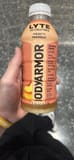 Peach Mango Sports Drink Bodyarmor · 16 fl oz/473 mL Score 37 out of 100 Poor
Sources
-
Guideline: sugars intake for adults and children
“In both adults and children, WHO recommends reducing the intake of free sugars to less than 10% of total energy intake”
who.int
-
Dietary Guidelines for Americans, 2025–2030
“Limit foods and beverages that include artificial flavors, petroleum-based dyes, artificial preservatives, and low-calorie non-nutritive sweeteners.”
cdn.realfood.gov
-
Added and free sugars should be as low as possible
“Sugar consumption is a known cause of dental caries.”
efsa.europa.eu
-
21 CFR 101.22 Foods; labeling of spices, flavorings, colorings and chemical preservatives
“whose significant function in food is flavoring rather than nutritional.”
ecfr.gov
-
“Greater exposure to ultra-processed food was associated with a higher risk of adverse health outcomes, especially cardiometabolic, common mental disorder, and mortality outcomes.”
doi.org