Protein powders
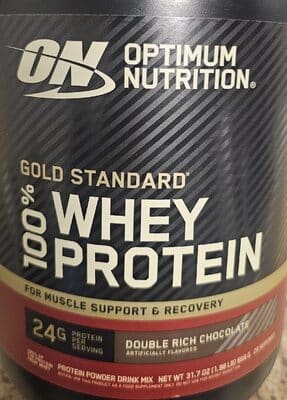
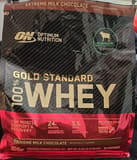
Optimum Nutrition 100% Whey Protein Double Rich Chocolate
908 g
Score
- Contains non-nutritive sweeteners
- Contains artificial flavors
Why it scores 92
Optimum Nutrition 100% Whey Protein Double Rich Chocolate scores 92 out of 100 (Excellent) under GoodSwap’s published rules. What moved the score most:
- minus 5 points Acesulfame potassium (Ace-K): In the NutriNet-Santé cohort, acesulfame-K intake was associated with higher cancer risk; cause and effect is not established. Strong
- minus 1 points Protein blend (unspecified): An ingredient typical of ultra-processed foods (NOVA group 4). Info
- minus 1 points Whey protein concentrate / isolate: An ingredient typical of ultra-processed foods (NOVA group 4). Info
Every line of the math is on The Receipt below, with its evidence tier and sources.
The Receipt
100% Whey Protein Double Rich Chocolate
Ingredients
- Acesulfame potassium (Ace-K) minus 5 points
- Protein blend (unspecified) minus 1 points
- Whey protein concentrate / isolate minus 1 points
- Lecithin minus 0.5 points
- Natural and artificial flavors minus 0.5 points
100 − 8 = 92
Nutrition per 100 g
| Energy | 395 kcal |
|---|---|
| Fat | 4.9 g |
| Saturated fat | 1.6 g |
| Carbohydrates | 9.9 g |
| Sugars | 3.3 g |
| Added sugars | 0 g |
| Fiber | 3.3 g |
| Protein | 79 g |
| Salt | 0.4 g |
Serving: 1 scoop (31 g)
Ingredients
- PROTEIN BLEND (WHEY PROTEIN ISOLATE, WHEY PROTEIN CONCENTRATE, WHEY PEPTIDES)
- COCOA POWDER (PROCESSED WITH ALKALI)
- LECITHIN
- NATURAL AND ARTIFICIAL FLAVOR
- ACESULFAME POTASSIUM (moderate concern)
- LACTASE
Label text, as published
PROTEIN BLEND (WHEY PROTEIN ISOLATE, WHEY PROTEIN CONCENTRATE, WHEY PEPTIDES), COCOA POWDER (PROCESSED WITH ALKALI), LECITHIN, NATURAL AND ARTIFICIAL FLAVOR, ACESULFAME POTASSIUM, LACTASE.
Allergens and diets
Contains: Milk, Soy
- Not vegan
- Palm-oil-free
Always check the package: recipes change.
Packaging
Hdpe 2 high density polyethylene
Context only: no points in v1.
More protein powders on GoodSwap
-
 Organic Protein Orgain · 43.2 oz (2.7 lb) 1.22 kg Contains non-nutritive sweetenersContains sugar alcoholsContains seed oilsCertified organic Score 89 out of 100 Excellent
 -
 Organic Protein Orgain · 1.2 kg Contains non-nutritive sweetenersContains sugar alcoholsContains seed oilsCertified organic Score 89 out of 100 Excellent
 -
 Protein powder Optimum Nutrition · 80 × 31 g Contains non-nutritive sweetenersContains emulsifiers studied for gut effectsContains artificial flavors Score 83 out of 100 Excellent
 -
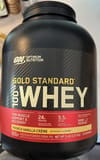 Gold Standard 100% Whey Protein French Vanilla Crème Optimum Nutrition · 2.27 kg Contains non-nutritive sweetenersContains artificial flavors Score 88 out of 100 Excellent
 -
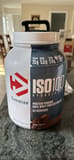 Protein Powder 100% Whey Protein Isolate Dymatize Contains non-nutritive sweetenersContains artificial flavors Score 92 out of 100 Excellent
 -
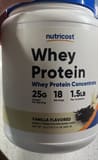 Whey Protein Concentrate Nutricost Contains non-nutritive sweeteners Score 93 out of 100 Excellent
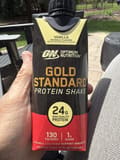
More from Optimum Nutrition
Sources
-
Artificial sweeteners and cancer risk: Results from the NutriNet-Santé population-based cohort study
“In this large cohort study, artificial sweeteners (especially aspartame and acesulfame-K), which are used in many food and beverage brands worldwide, were associated with increased cancer risk.”
doi.org
-
Re-evaluation of acesulfame K (E 950) as food additive (plain language summary)
“The acceptable daily intake (ADI) considered safe for all population groups was set at 15 mg/kg body weight (bw) per day.”
efsa.europa.eu
-
WHO advises not to use non-sugar sweeteners for weight control in newly released guideline
“The recommendation is based on the findings of a systematic review of the available evidence which suggests that use of NSS does not confer any long-term benefit in reducing body fat in adults or children.”
who.int
-
Dietary Guidelines for Americans, 2025–2030
“Limit foods and beverages that include artificial flavors, petroleum-based dyes, artificial preservatives, and low-calorie non-nutritive sweeteners.”
cdn.realfood.gov
-
21 CFR 101.22 Foods; labeling of spices, flavorings, colorings and chemical preservatives
“whose significant function in food is flavoring rather than nutritional.”
ecfr.gov