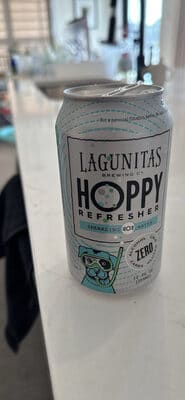
Flavored waters
Lagunitas Hoppy Refresher
Score
- Ultra-processed
Why it scores 80
Lagunitas Hoppy Refresher scores 80 out of 100 (Excellent) under GoodSwap’s published rules. What moved the score most:
- minus 18 points Ultra-processed (NOVA 4): Classified NOVA 4: made with industrial ingredients and additives. Strong
- minus 2.5 points Natural flavors: "Natural flavor" is a legal category (21 CFR 101.22(a)(3)): flavor substances from spices, fruits, vegetables, meat, dairy or fermentation. Info
Every line of the math is on The Receipt below, with its evidence tier and sources.
Better flavored and vitamin water
-
 Nutrient enhanced water Core · 23.9 fl oz/707 mL Not ultra-processed Score 100 out of 100 , 20 points higher
 -
 Watermelon infused water Hint · 6 × 16 fl oz Not ultra-processed Score 100 out of 100 , 20 points higher
 -
 Hint Hint · 1.5 gal/5.7 L/1 PT Not ultra-processed Score 100 out of 100 , 20 points higher
 -
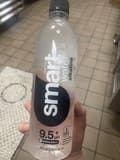 Smartwater Alkaline Smartwater · 20 fl oz Not ultra-processed Score 98 out of 100 , 18 points higher
 -
 Cucumber Lime Glaceau Not ultra-processed Score 98 out of 100 , 18 points higher
The same kind of product, at least 10 points higher, sold in the US. Never paid placements.
The Receipt
Hoppy Refresher
Ingredients
- Natural flavors minus 2.5 points
Processing
- Ultra-processed (NOVA 4) minus 18 points
100 − 20.5 = 79.5 → 80
Nutrition per 100 ml
| Energy | 0 kcal |
|---|---|
| Fat | 0 g |
| Saturated fat | 0 g |
| Carbohydrates | 0 g |
| Sugars | 0 g |
| Fiber | 0 g |
| Protein | 0 g |
| Salt | 0 g |
Ingredients
Label text, as published
CARBONATED WATER, HOP EXTRACT, AND NATURAL FLAVORS
Allergens and diets
- Palm-oil-free
Always check the package: recipes change.
More flavored waters on GoodSwap
-
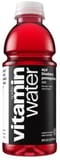 Açai-Blueberry-Pomegranate XXX Nutrient Enhanced Water Glaceau · 20 fl oz Ultra-processedContains added sugarsNo synthetic dyes Score 18 out of 100 Bad
 -
 Kula Watermelon Bai · 18 fl oz Ultra-processedContains non-nutritive sweetenersContains caffeine Score 72 out of 100 Good
 -
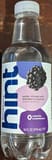 Water Infused with Blackberry Essence Hint · 16 fl oz Ultra-processedNo additives Score 83 out of 100 Excellent
 -
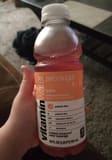 Gutsy Zero Sugar Vitaminwater · 20 fl oz Ultra-processedContains non-nutritive sweeteners Score 69 out of 100 Good
 -
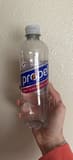 Fitness Water Propel Ultra-processedContains non-nutritive sweeteners Score 56 out of 100 Okay
 -
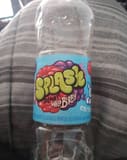 Splash Blast: Wild Berry Splash Blast · 16.9 fl oz Ultra-processedContains non-nutritive sweeteners Score 52 out of 100 Okay
Sources
-
21 CFR 101.22 Foods; labeling of spices, flavorings, colorings and chemical preservatives
“whose significant function in food is flavoring rather than nutritional.”
ecfr.gov
-
“Greater exposure to ultra-processed food was associated with a higher risk of adverse health outcomes, especially cardiometabolic, common mental disorder, and mortality outcomes.”
doi.org