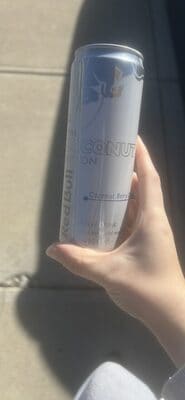
Sodas
Red Bull The Coconut Edition
355 mL (12 fl oz)
Score
- Contains synthetic dyes
- Ultra-processed
- Contains added sugars
- Contains caffeine
- Contains artificial flavors
Why it scores 10
Red Bull The Coconut Edition scores 10 out of 100 (Bad) under GoodSwap’s published rules. What moved the score most:
- minus 20 points Sugar: An added sugar. Strong
- minus 20 points Corn syrup: An added sugar. Strong
- minus 18 points Ultra-processed (NOVA 4): Classified NOVA 4: made with industrial ingredients and additives. Strong
Every line of the math is on The Receipt below, with its evidence tier and sources.
Better energy drinks
-
 Red Bull Sugarfree Red Bull · 355 mL (12 fl oz) No synthetic dyes · No added sugars Score 58 out of 100 , 48 points higher
 -
 Red Bull Zero Red Bull · 250 mL (8.4 fl oz) No synthetic dyes · No added sugars Score 67 out of 100 , 57 points higher
 -
 Essential Energy Strawberry Coconut Celsius · 2.6 oz/72.80 g No synthetic dyes · No added sugars Score 57 out of 100 , 47 points higher
 -
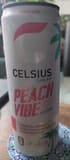 Peach Vibe Sparkling White Peach Edition Celsius · 12 fl oz (355 mL) No synthetic dyes · No added sugars Score 66 out of 100 , 56 points higher
 -
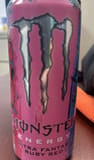 Ultra Fantasy Ruby Red Monster Energy · 16 oz No synthetic dyes · No added sugars Score 49 out of 100 , 39 points higher
The same kind of product, at least 10 points higher, sold in the US. Never paid placements.
The Receipt
Red Bull The Coconut Edition
Ingredients
- Sugar minus 20 points
- Corn syrup minus 20 points
- Blue 1 minus 7.5 points
- Natural and artificial flavors minus 1.5 points
- Glycerol ester of rosin (ester gum) minus 1 points
Processing
- Ultra-processed (NOVA 4) minus 18 points
- 4 kinds of ultra-processing markers minus 4.5 points
Nutrition per 100 ml
- Sugars 10.7 g / 100 ml minus 14 points
- Energy 45 kcal / 100 ml minus 4 points
100 − 90.5 = 9.5 → 10
Can’t score above 79. Contains sugar, an ingredient of high concern. [1][2][3]
Nutrition per 100 ml
| Energy | 45 kcal |
|---|---|
| Fat | 0 g |
| Saturated fat | 0 g |
| Trans fat | 0 g |
| Carbohydrates | 11.3 g |
| Sugars | 10.7 g |
| Added sugars | 10.7 g |
| Protein | 0 g |
| Salt | 0.1 g |
Serving: 355 ml (1 can)
Ingredients
- Carbonated Water
- Sugar (high concern)
- Glucose (high concern)
- Citric Acid
- Taurine
- Sodium Citrate
- Natural and Artificial Flavors
- Glycerol Ester of Wood Rosin
- Sucrose Acetate Isobutyrate
- Caffeine
- Niacinamide
- Pyridoxine HCI (Vitamin B6)
- Calcium Pantothenate
- Color (not recognized)
- Blue 1 (moderate concern)
- Vitamin B12
Label text, as published
Carbonated Water, Sugar, Glucose, Citric Acid, Taurine, Sodium Citrate, Natural and Artificial Flavors, Glycerol Ester of Wood Rosin, Sucrose Acetate Isobutyrate, Caffeine, Niacinamide, Pyridoxine HCI (Vitamin B6), Calcium Pantothenate, Color, Blue 1, Vitamin B12
Allergens and diets
- Palm-oil-free
Always check the package: recipes change.
Packaging
Aluminium
Context only: no points in v1.
More sodas on GoodSwap
-
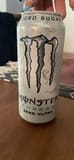 Zero Ultra Monster Energy · 1 can (16 oz) Ultra-processedContains non-nutritive sweetenersContains sugar alcoholsContains caffeine Score 51 out of 100 Okay
 -
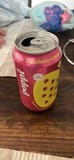 Strawberry Lemonade Prebiotic Soda Poppi · 355 mL / 12 oz Ultra-processedContains non-nutritive sweetenersContains added sugars Score 49 out of 100 Okay
 -
 Soda Lemon-lime Sprite · 12 fl oz (355 mL) Ultra-processedContains added sugars Score 34 out of 100 Poor
 -
 Zero Sugar Lemonade Minute Maid Dye with an EU warning labelContains synthetic dyesUltra-processedContains non-nutritive sweeteners Score 25 out of 100 Poor
 -
 Bang Peach Mango Bang Energy · 16 fl oz Ultra-processedContains non-nutritive sweetenersContains caffeine Score 49 out of 100 Okay
 -
 Rehab Monster Tea + Lemonade Monster · 15.5 fl oz/458 mL Ultra-processedContains non-nutritive sweetenersContains added sugarsContains caffeine Score 34 out of 100 Poor
More from Red Bull
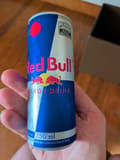
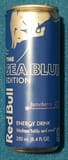
Sources
-
Guideline: sugars intake for adults and children
“In both adults and children, WHO recommends reducing the intake of free sugars to less than 10% of total energy intake”
who.int
-
Dietary Guidelines for Americans, 2025–2030
“Limit foods and beverages that include artificial flavors, petroleum-based dyes, artificial preservatives, and low-calorie non-nutritive sweeteners.”
cdn.realfood.gov
-
Added and free sugars should be as low as possible
“Sugar consumption is a known cause of dental caries.”
efsa.europa.eu
-
Tracking Food Industry Pledges to Remove Petroleum Based Food Dyes
“FD&C Green No. 3, FD&C Red No. 40, FD&C Yellow No. 5, FD&C Yellow No. 6, FD&C Blue No. 1, and FD&C Blue No. 2—by the end of 2027.”
fda.gov
-
California AB 2316 (2024), Pupil nutrition: substances: prohibition
“beginning December 31, 2027, would prohibit a school district, county superintendent of schools, or charter school”
leginfo.legislature.ca.gov
-
21 CFR 101.22 Foods; labeling of spices, flavorings, colorings and chemical preservatives
“whose significant function in food is flavoring rather than nutritional.”
ecfr.gov
-
HHS, FDA to Phase Out Petroleum-Based Synthetic Dyes in Nation’s Food Supply (press release)
“Initiating the process to revoke authorization for two synthetic food colorings—Citrus Red No. 2 and Orange B—within the coming months.”
fda.gov
-
“Greater exposure to ultra-processed food was associated with a higher risk of adverse health outcomes, especially cardiometabolic, common mental disorder, and mortality outcomes.”
doi.org
-
Spilling the Beans: How Much Caffeine is Too Much?
“For most adults, the FDA has cited 400 milligrams* a day — that's about two to three 12-fluid-ounce cups of coffee — as an amount not generally associated with negative effects.”
fda.gov
-
Regulation (EU) No 1169/2011, Annex III point 4.1 (beverages with high caffeine content)
“‘High caffeine content. Not recommended for children or pregnant or breast-feeding women’”
eur-lex.europa.eu