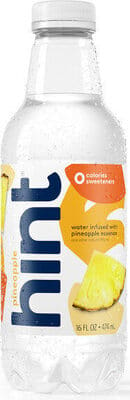
Waters
Hint Water Infused with Pineapple Essence
16 fl oz (474 mL)
Score
- Ultra-processed
- No additives
Why it scores 85
Hint Water Infused with Pineapple Essence scores 85 out of 100 (Excellent) under GoodSwap’s published rules. What moved the score most:
- minus 18 points Ultra-processed (NOVA 4): Classified NOVA 4: made with industrial ingredients and additives. Strong
- plus 3 points No additives: No food additives in the ingredient list. Info
Every line of the math is on The Receipt below, with its evidence tier and sources.
Better flavored and vitamin water
-
 Watermelon infused water Hint · 6 × 16 fl oz Not ultra-processed Score 100 out of 100 , 15 points higher
 -
 Nutrient enhanced water Core · 23.9 fl oz/707 mL Not ultra-processed Score 100 out of 100 , 15 points higher
 -
 Strawberry Lemon Water Hint · 16 fl oz/474 mL/1 PT Not ultra-processed Score 100 out of 100 , 15 points higher
 -
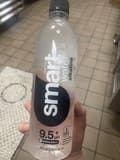 Smartwater Alkaline Smartwater · 20 fl oz Not ultra-processed Score 98 out of 100 , 13 points higher
 -
 Cucumber Lime Glaceau Not ultra-processed Score 98 out of 100 , 13 points higher
The same kind of product, at least 10 points higher, sold in the US. Never paid placements.
The Receipt
Water Infused with Pineapple Essence
Processing
- Ultra-processed (NOVA 4) minus 18 points
Bonuses
- No additives plus 3 points
100 − 15 = 85
Nutrition per 100 ml
| Energy | 0 kcal |
|---|---|
| Fat | 0 g |
| Saturated fat | 0 g |
| Carbohydrates | 0 g |
| Sugars | 0 g |
| Added sugars | 0 g |
| Fiber | 0 g |
| Protein | 0 g |
| Salt | 0 g |
Serving: 1 BOTTLE (474 ml)
Ingredients
Label text, as published
Purified water and natural flavors.
Allergens and diets
- Vegan
- Vegetarian
- Gluten-free
- Palm-oil-free
Always check the package: recipes change.
Packaging
Hdpe 2 high density polyethylene, Pet 1 polyethylene terephthalate
Context only: no points in v1.
More waters on GoodSwap
-
 Pure Life Bluetriton Brands · 500 mL Score 98 out of 100 Excellent
 -
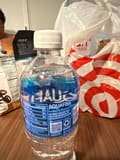 Aquafina Aquafina · 20 fl oz No additives Score 100 out of 100 Excellent
 -
 Purified Water minerals added for tasted Aldi No additives Score 100 out of 100 Excellent
 -
 Sparkling Natural Mineral Water S.pellegrino · 11.15 fl oz No additives Score 100 out of 100 Excellent
 -
 PC Strips Kirkland Signature Dye with an EU warning labelContains synthetic dyesUltra-processedContains non-nutritive sweeteners Score 34 out of 100 Poor
 -
 Vitamin Water Glaceau · 20 oz Ultra-processedContains non-nutritive sweetenersNo synthetic dyes Score 67 out of 100 Good
More from Hint
-
 Water Infused with Blackberry Essence Hint · 16 fl oz Score 83 out of 100 Excellent
 -
 Watermelon Infused Water Hint · 16 fl oz Score 83 out of 100 Excellent
 -
 Blueberry Lemon hint Water Hint · 16 fl oz Score 85 out of 100 Excellent
 -
 Cherry infused water Hint · 16 fl oz (474 mL) Score 83 out of 100 Excellent
Sources
-
“Greater exposure to ultra-processed food was associated with a higher risk of adverse health outcomes, especially cardiometabolic, common mental disorder, and mortality outcomes.”
doi.org