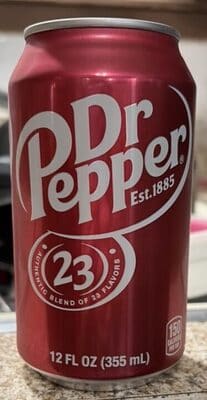
Cola with sugar
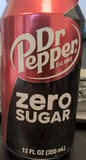
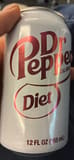
Dr Pepper
12 fl oz (355 mL)
Score
- Ultra-processed
- Contains added sugars
- Contains artificial flavors
- No synthetic dyes
Why it scores 19
Dr Pepper scores 19 out of 100 (Bad) under GoodSwap’s published rules. What moved the score most:
- minus 20 points High fructose corn syrup: An added sugar. Strong
- minus 20 points Caramel color: The FDA says classes III and IV, which can contain 4-MEI, are the most commonly used food color additives by volume. Regulatory
- minus 18 points Ultra-processed (NOVA 4): Classified NOVA 4: made with industrial ingredients and additives. Strong
Every line of the math is on The Receipt below, with its evidence tier and sources.
Better sodas
-
 Zero Calorie Soda - Dr. Zevia Naturally Flavored Zevia · 12 fl oz No added sugars · No artificial flavors Score 73 out of 100 , 54 points higher
 -
 Dr.zevia Zevia · 96 fl oz/2.8 L No added sugars · No artificial flavors Score 76 out of 100 , 57 points higher
 -
 Doctor Goodwin Soda OLIPOP · 355 mL No added sugars · No artificial flavors Score 66 out of 100 , 47 points higher
 -
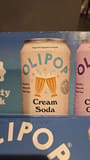 Variety Pack A New Kind of Soda OLIPOP · 15 × 12 fl oz No added sugars · No artificial flavors Score 63 out of 100 , 44 points higher
 -
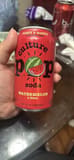 culture pop soda WATERMELON & lime Culture Pop · 12 fl oz No added sugars · No artificial flavors Score 71 out of 100 , 52 points higher
The same kind of product, at least 10 points higher, sold in the US. Never paid placements.
The Receipt
Dr Pepper
Ingredients
- High fructose corn syrup minus 20 points
- Caramel color minus 20 points
- Sodium benzoate minus 7.5 points
- Phosphoric acid minus 1.5 points
- Natural and artificial flavors minus 1 points
Processing
- Ultra-processed (NOVA 4) minus 18 points
- 3 kinds of ultra-processing markers minus 3 points
Nutrition per 100 ml
- Sugars 3.1 g / 100 ml minus 9 points
- Energy 12 kcal / 100 ml minus 1 points
100 − 81 = 19
Can’t score above 79. Contains high fructose corn syrup, an ingredient of high concern. [1][2][3][4][5][6][7][8]
Nutrition per 100 ml
| Energy | 12 kcal |
|---|---|
| Fat | 0 g |
| Sugars | 3.1 g |
| Added sugars | 3.1 g |
| Protein | 0 g |
| Salt | 0 g |
Serving: 1 can (12 fl oz / 355 ml)
Ingredients
- CARBONATED WATER
- HIGH FRUCTOSE CORN SYRUP (high concern)
- CARAMEL COLOR (high concern)
- PHOSPHORIC ACID
- NATURAL AND ARTIFICIAL FLAVORS
- SODIUM BENZOATE (PRESERVATIVE) (moderate concern)
- CAFFEINE PRODUCED UNDER THE AUTHORITY OF DR PEPPER SEVEN UP (not recognized)
- 6425 HALL OF FAME LANE (not recognized)
- FRISCO TX 75034 (not recognized)
- TM & © 2023 DR PEPPER/SEVEN UP (not recognized)
- INC CAFFEINE CONTENT: 41mg/12 fl oz (not recognized)
Label text, as published
CARBONATED WATER, HIGH FRUCTOSE CORN SYRUP, CARAMEL COLOR, PHOSPHORIC ACID, NATURAL AND ARTIFICIAL FLAVORS, SODIUM BENZOATE (PRESERVATIVE), CAFFEINE PRODUCED UNDER THE AUTHORITY OF DR PEPPER SEVEN UP, INC., 6425 HALL OF FAME LANE, FRISCO TX 75034, TM & © 2023 DR PEPPER/SEVEN UP, INC CAFFEINE CONTENT: 41mg/12 fl oz
Packaging
Aluminium
Context only: no points in v1.
More cola with sugar on GoodSwap
-
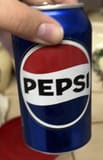 Pepsi Pepsi · 12 fl oz (355 mL) Ultra-processedHigh in sugarContains added sugarsContains caffeine Score 12 out of 100 Bad
 -
 Coca-Cola Coca-Cola · 1.5 L Ultra-processedContains added sugarsNo synthetic dyes Score 19 out of 100 Bad
 -
 Coca Cola Coca-Cola · 450 mL Ultra-processedContains added sugarsNo synthetic dyes Score 20 out of 100 Poor
More from Dr Pepper
Sources
-
Guideline: sugars intake for adults and children
“In both adults and children, WHO recommends reducing the intake of free sugars to less than 10% of total energy intake”
who.int
-
Dietary Guidelines for Americans, 2025–2030
“Limit foods and beverages that include artificial flavors, petroleum-based dyes, artificial preservatives, and low-calorie non-nutritive sweeteners.”
cdn.realfood.gov
-
Added and free sugars should be as low as possible
“Sugar consumption is a known cause of dental caries.”
efsa.europa.eu
-
21 CFR 184.1866 High fructose corn syrup
“a sweet, nutritive saccharide mixture containing either approximately 42 or 55 percent fructose”
ecfr.gov
-
Questions & Answers About 4-MEI
“Based on current science, the FDA has no reason to believe that there are any immediate or short-term health risks presented by 4-MEI at the levels expected in food.”
fda.gov
-
Agents Classified by the IARC Monographs, Volumes 1–142 (List of Classifications)
monographs.iarc.who.int
-
Proposition 65 List of Chemicals Known to the State to Cause Cancer or Reproductive Toxicity
“The date refers to the initial appearance of the chemical on the list.”
oehha.ca.gov
-
“Artificial colours or a sodium benzoate preservative (or both) in the diet result in increased hyperactivity in 3-year-old and 8/9-year-old children in the general population.”
doi.org
-
Re-evaluation of benzyl alcohol (E 1519) as food additive (records the 2016 benzoate re-evaluation)
“derived a group ADI of 5 mg/kg bw per day (expressed as benzoic acid) in accordance with the ADI previously derived by SCF and JECFA”
doi.org
-
EFSA issues new advice on phosphates
“We estimated that dietary exposure to phosphates may exceed the new ADI for infants, toddlers and children with average consumption of phosphates in their diet.”
efsa.europa.eu
-
21 CFR 101.22 Foods; labeling of spices, flavorings, colorings and chemical preservatives
“whose significant function in food is flavoring rather than nutritional.”
ecfr.gov
-
“Greater exposure to ultra-processed food was associated with a higher risk of adverse health outcomes, especially cardiometabolic, common mental disorder, and mortality outcomes.”
doi.org