Diet sodas
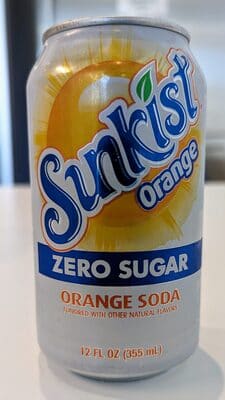
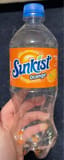
Sunkist Orange Soda
Score
- Dye with an EU warning label
- Contains synthetic dyes
- Ultra-processed
Why it scores 29
Sunkist Orange Soda scores 29 out of 100 (Poor) under GoodSwap’s published rules. What moved the score most:
- minus 20 points Yellow 6: In the EU and UK, foods with this color must state that it "may have an adverse effect on activity and attention in children". Regulatory
- minus 20 points Red 40: In the EU and UK, foods with this color must state that it "may have an adverse effect on activity and attention in children". Regulatory
- minus 18 points Ultra-processed (NOVA 4): Classified NOVA 4: made with industrial ingredients and additives. Strong
Every line of the math is on The Receipt below, with its evidence tier and sources.
Better sodas
-
 Orange Cream Zevia Kidz Zevia · 7.5 fl oz (222 mL) No EU warning-label dyes · No synthetic dyes Score 76 out of 100 , 47 points higher
 -
 Orange Soda Zevia · 12 fl oz/355 mL No EU warning-label dyes · No synthetic dyes Score 76 out of 100 , 47 points higher
 -
 Orange freeze A Shoc · 16 fl oz/473 mL No EU warning-label dyes · No synthetic dyes Score 79 out of 100 , 50 points higher
 -
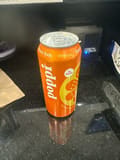 Orange Prebiotic Soda Poppi No EU warning-label dyes · No synthetic dyes Score 70 out of 100 , 41 points higher
 -
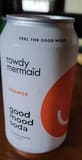 Good Mood Soda - Orange Rowdy Mermaid · 12 fl oz/355 mL No EU warning-label dyes · No synthetic dyes Score 71 out of 100 , 42 points higher
The same kind of product, at least 10 points higher, sold in the US. Never paid placements.
The Receipt
Orange Soda
Ingredients
- Yellow 6 minus 20 points
- Red 40 minus 20 points
- Sodium benzoate minus 7.5 points
- Modified starch minus 1.5 points
- Glycerol ester of rosin (ester gum) minus 1 points
Processing
- Ultra-processed (NOVA 4) minus 18 points
- 3 kinds of ultra-processing markers minus 3 points
100 − 71 = 29
Can’t score above 79. Contains Yellow 6, an ingredient of high concern. [1][2][3][4][5][6]
Nutrition per 100 ml
| Energy | 0 kcal |
|---|---|
| Fat | 0 g |
| Carbohydrates | 0 g |
| Sugars | 0 g |
| Added sugars | 0 g |
| Protein | 0 g |
| Salt | 0.1 g |
Serving: 1 can (355 ml)
Ingredients
- carbonated water
- citric acid
- sodium benzoate (preservative) (moderate concern)
- aspartame malic acid
- sodium citrate
- natural flavors acesulfame potassium modified food starch
- ester gum caffeine
- yellow 6 (high concern)
- red 40. contains phenylketonurics: phenylalanine produced under the joint authority of dr pepper/seven up inc (high concern)
- 5301 legacy drive (not recognized)
- plano (not recognized)
- tx 75024 and sunkist growers (not recognized)
- valencia (not recognized)
- ca 91355. diet sunkist is a registered trademark of sunkist growers (not recognized)
- usa used under license c2018 sunkist growers (not recognized)
- inc. and dr pepper/seven up
- inc. caffeine content: 19mg/1211 cz ( 452) (not recognized)
Label text, as published
carbonated water, citric acid, sodium benzoate (preservative), aspartame malic acid, sodium citrate, natural flavors acesulfame potassium modified food starch, ester gum caffeine, yellow 6, red 40. contains phenylketonurics: phenylalanine produced under the joint authority of dr pepper/seven up inc., 5301 legacy drive, plano, tx 75024 and sunkist growers, inc., valencia, ca 91355. diet sunkist is a registered trademark of sunkist growers, inc., usa used under license c2018 sunkist growers, inc. and dr pepper/seven up, inc. caffeine content: 19mg/1211 cz ( 452
More diet sodas on GoodSwap
-
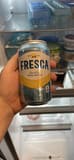 Fresca Sparkling Soda Water Grapefruit Citrus Fresca · 12.0 fl oz Ultra-processedContains non-nutritive sweeteners Score 41 out of 100 Okay
 -
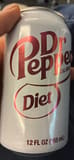 Diet Dr Pepper Dr Pepper · 355 mL Ultra-processedContains non-nutritive sweetenersContains caffeineContains artificial flavors Score 29 out of 100 Poor
 -
 Diet Mountain Dew Mountain Dew · 1 Dye with an EU warning labelContains synthetic dyesUltra-processedContains non-nutritive sweeteners Score 26 out of 100 Poor
 -
 Zero sugar soda Mountain Dew · 20 fl oz Ultra-processed Score 76 out of 100 Good
 -
 Fanta zero sugar orange Fanta · 355 mL Dye with an EU warning labelContains synthetic dyesUltra-processedContains non-nutritive sweeteners Score 26 out of 100 Poor
 -
 Dr Pepper & Cream Soda Zero Sugar Dr Pepper · 355 mL Ultra-processedContains non-nutritive sweetenersContains caffeineContains artificial flavors Score 29 out of 100 Poor
More from Sunkist
Sources
-
Regulation (EC) No 1333/2008 of 16 December 2008 on food additives
“may have an adverse effect on activity and attention in children.”
eur-lex.europa.eu
-
“may have an adverse effect on activity and attention in children.”
legislation.gov.uk
-
“Artificial colours or a sodium benzoate preservative (or both) in the diet result in increased hyperactivity in 3-year-old and 8/9-year-old children in the general population.”
doi.org
-
Tracking Food Industry Pledges to Remove Petroleum Based Food Dyes
“FD&C Green No. 3, FD&C Red No. 40, FD&C Yellow No. 5, FD&C Yellow No. 6, FD&C Blue No. 1, and FD&C Blue No. 2—by the end of 2027.”
fda.gov
-
California AB 2316 (2024), Pupil nutrition: substances: prohibition
“beginning December 31, 2027, would prohibit a school district, county superintendent of schools, or charter school”
leginfo.legislature.ca.gov
-
List of Select Chemicals in the Food Supply Under FDA Review
“The table below includes select food ingredients (including food and color additives), food contact substances, and contaminants under FDA review as of May 12, 2026 .”
fda.gov
-
Re-evaluation of benzyl alcohol (E 1519) as food additive (records the 2016 benzoate re-evaluation)
“derived a group ADI of 5 mg/kg bw per day (expressed as benzoic acid) in accordance with the ADI previously derived by SCF and JECFA”
doi.org
-
HHS, FDA to Phase Out Petroleum-Based Synthetic Dyes in Nation’s Food Supply (press release)
“Initiating the process to revoke authorization for two synthetic food colorings—Citrus Red No. 2 and Orange B—within the coming months.”
fda.gov
-
“Greater exposure to ultra-processed food was associated with a higher risk of adverse health outcomes, especially cardiometabolic, common mental disorder, and mortality outcomes.”
doi.org